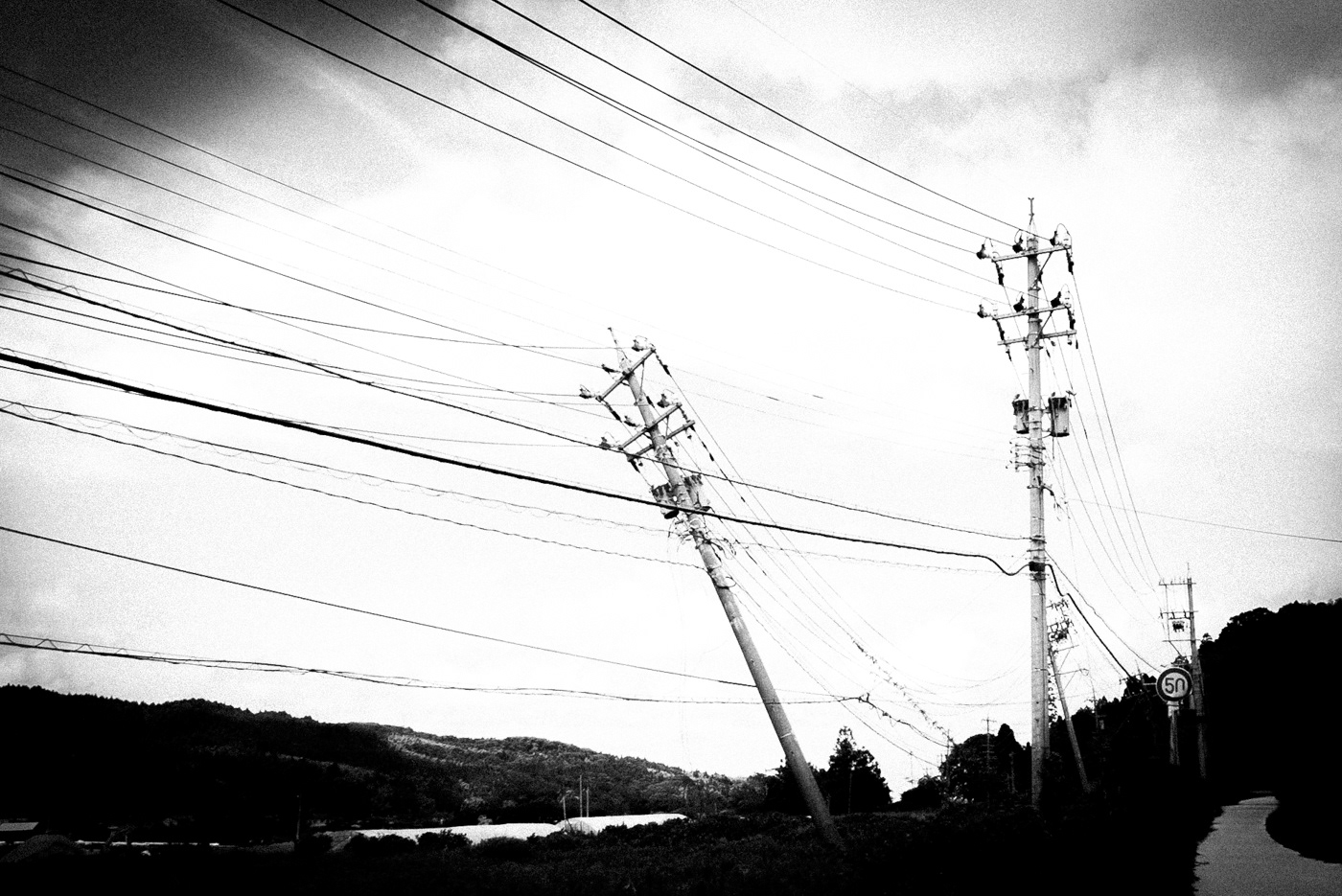
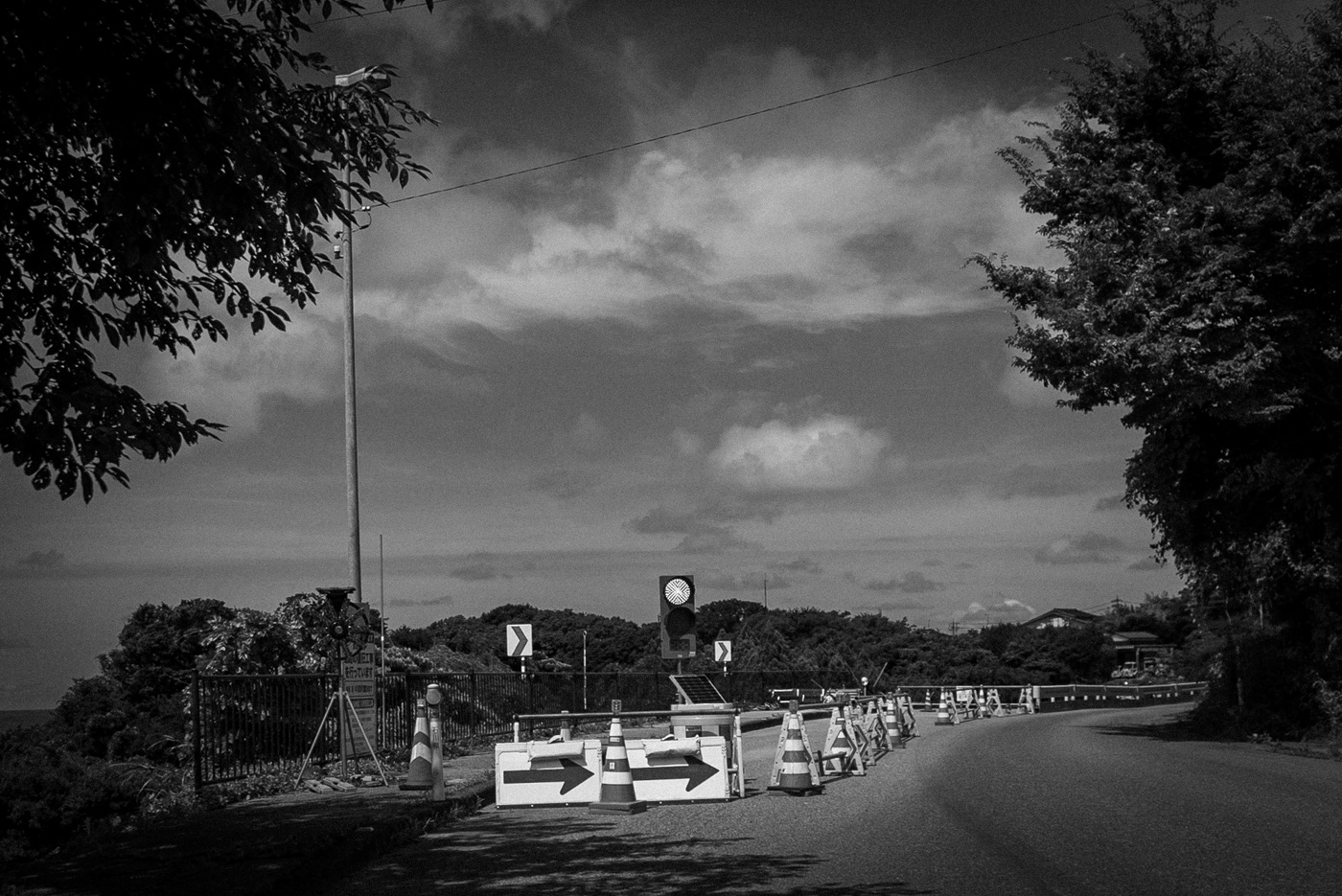
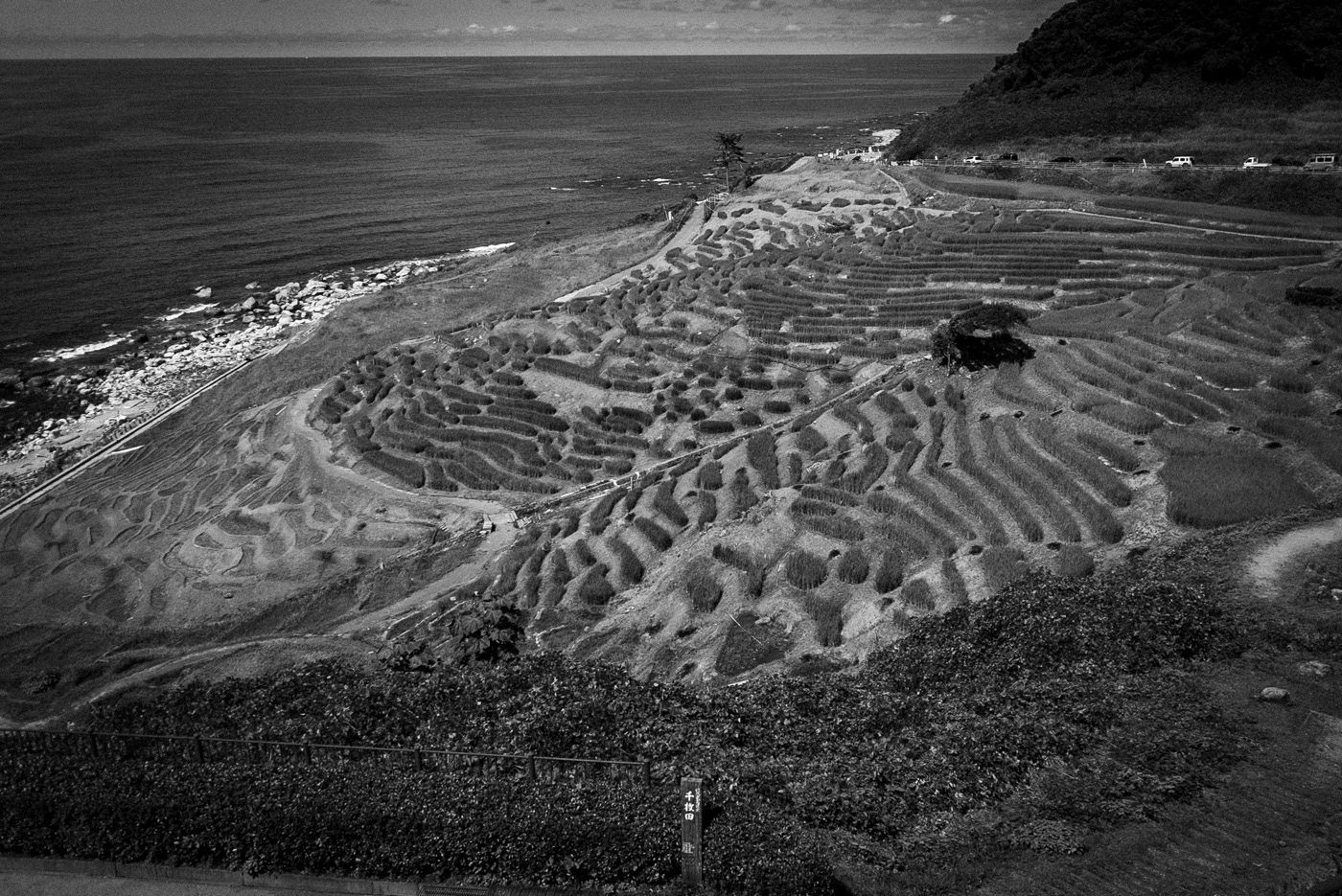
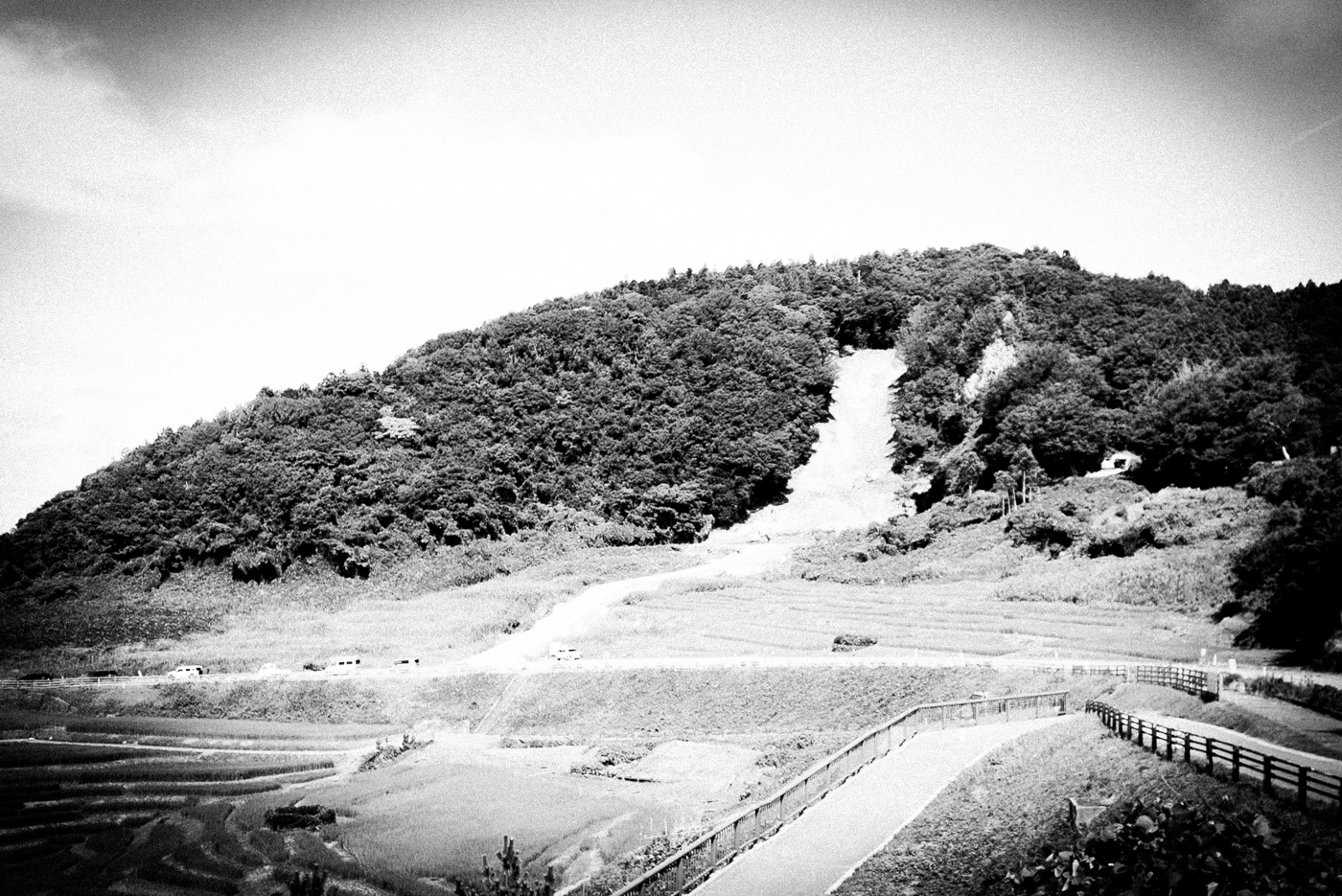
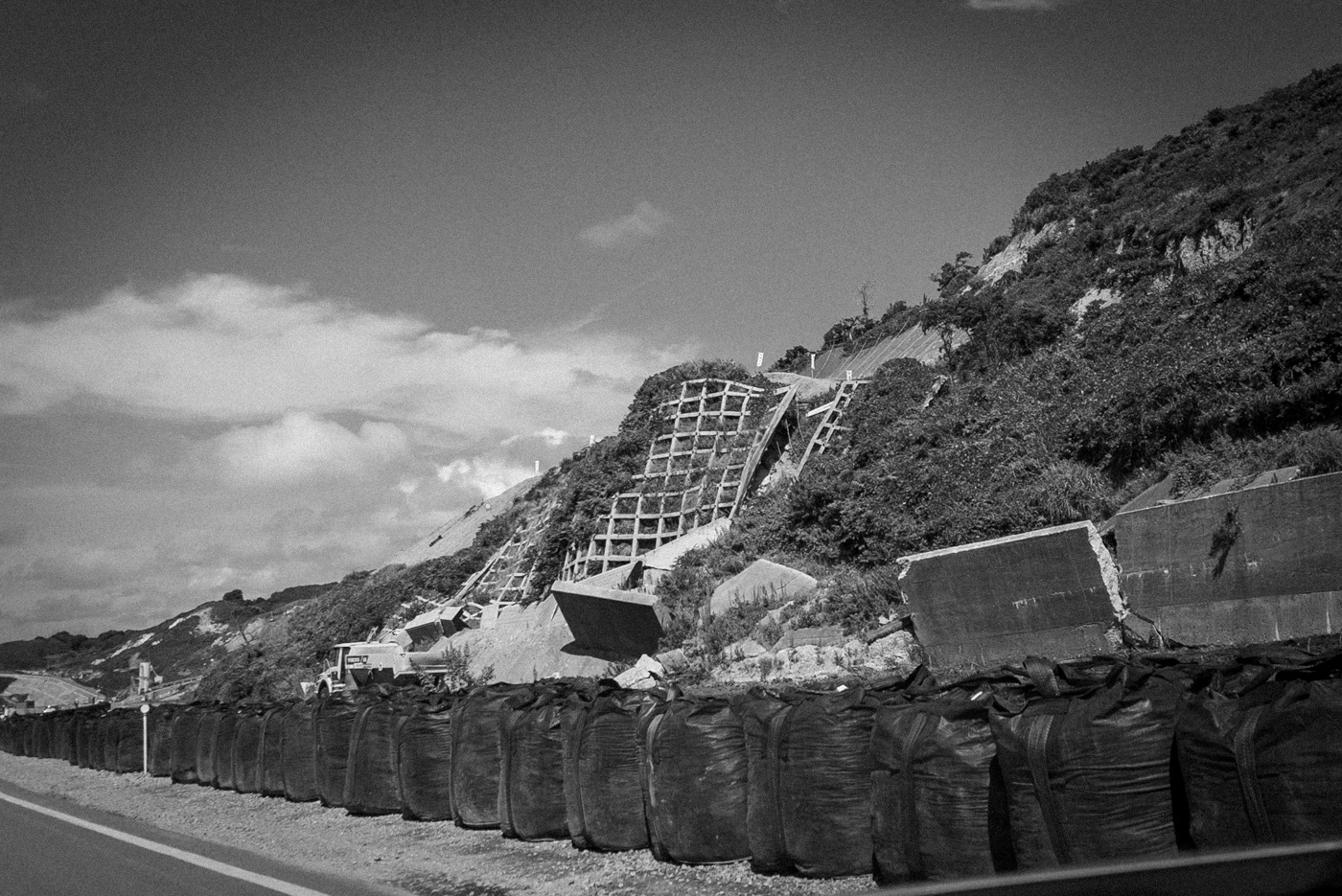
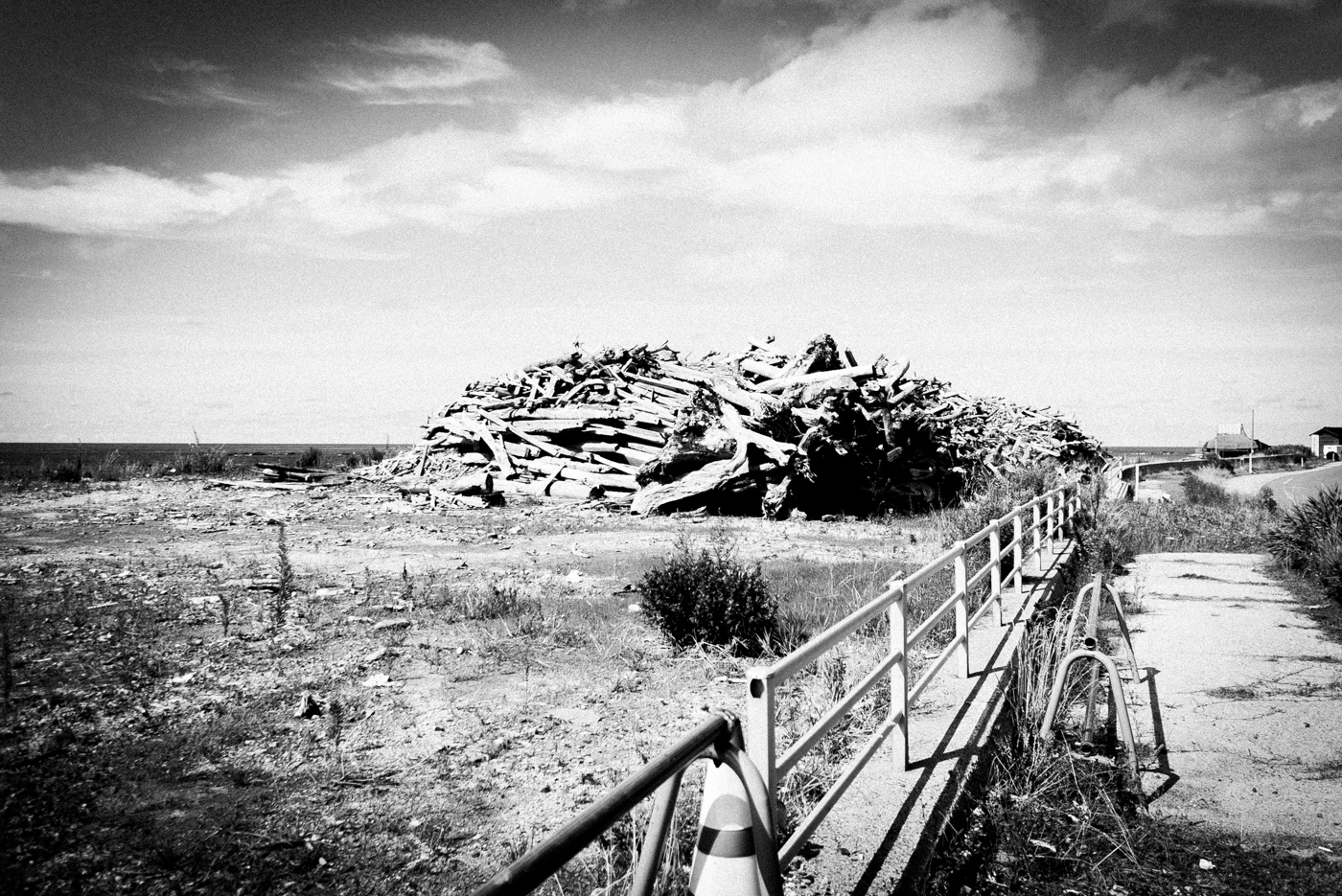
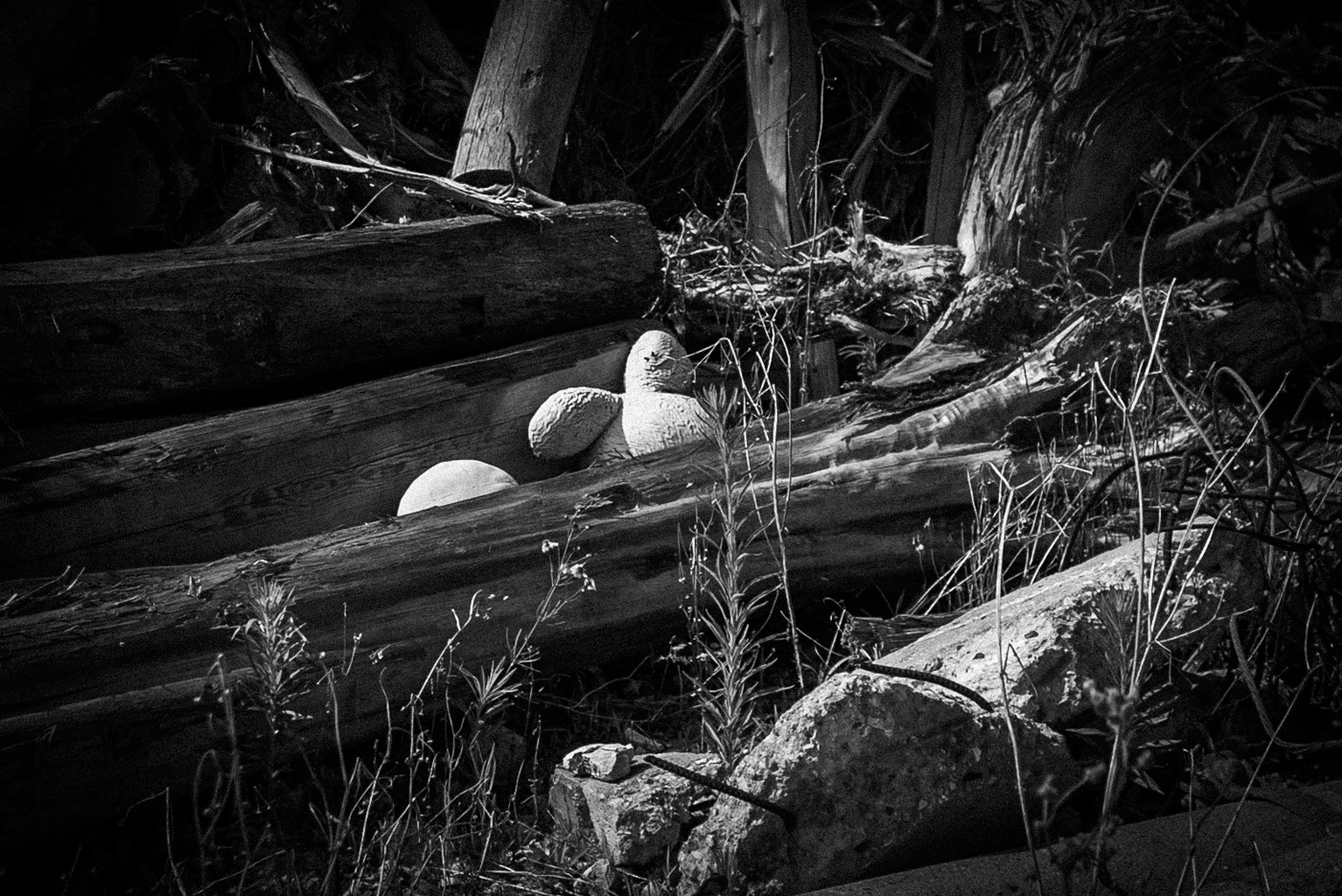
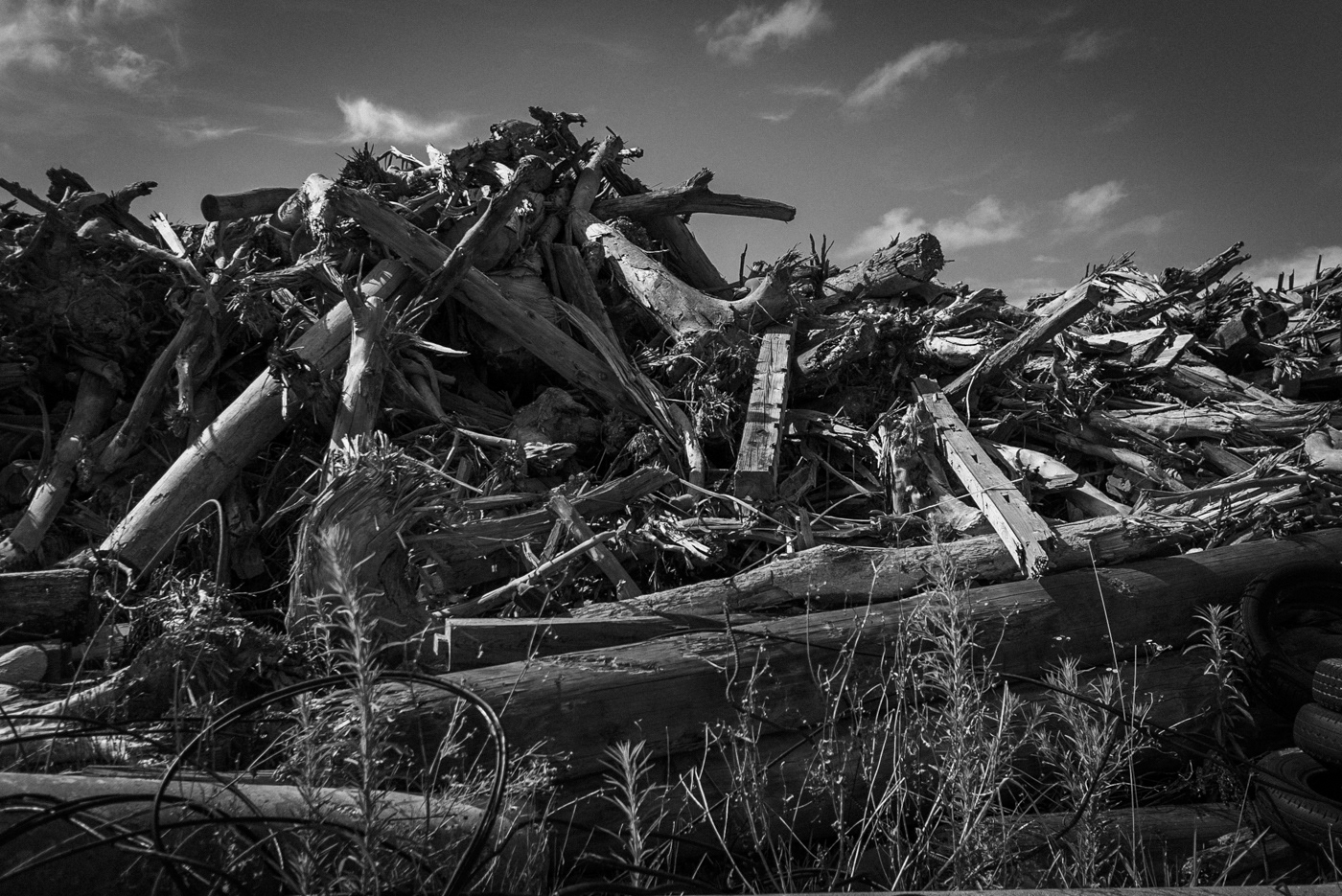
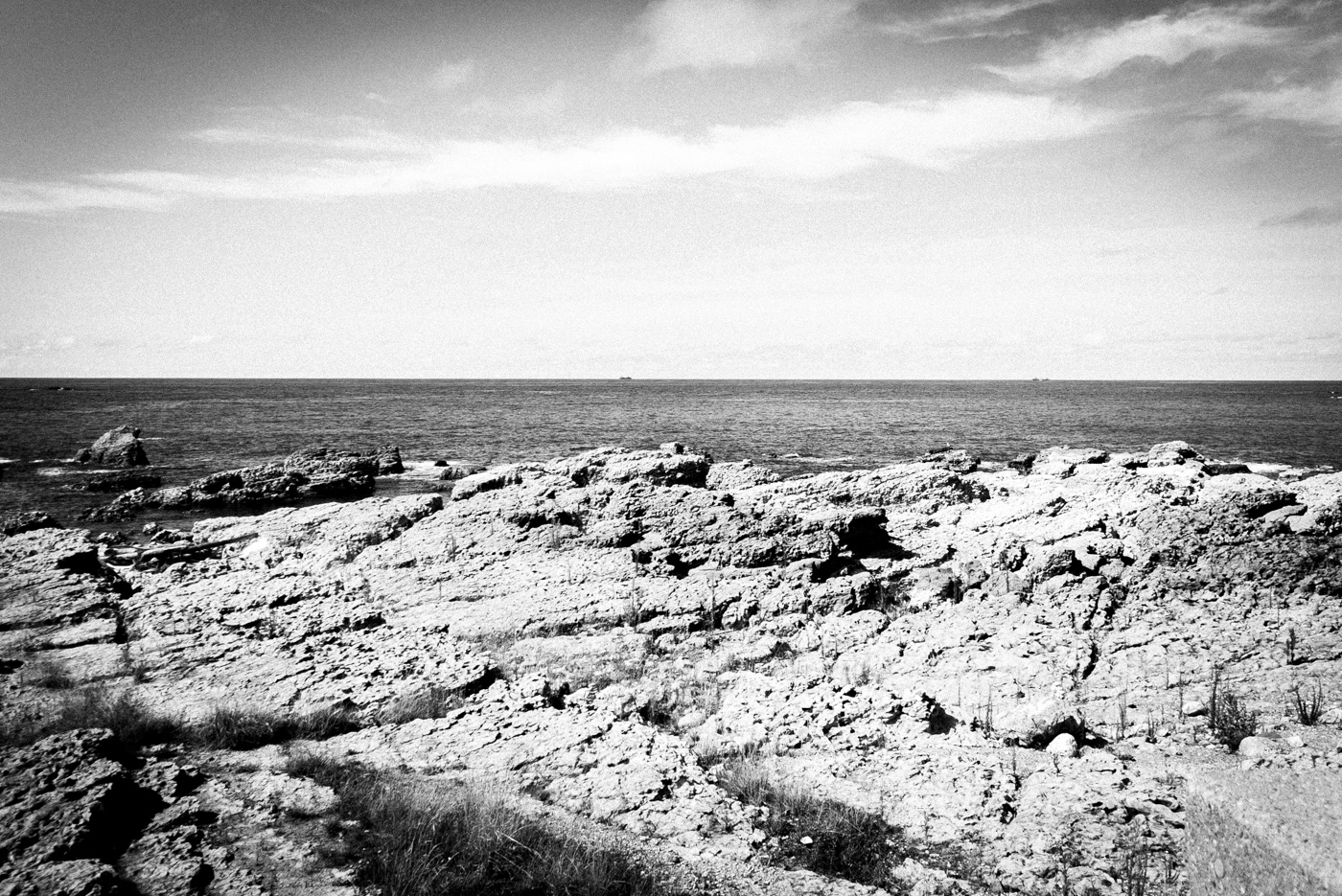
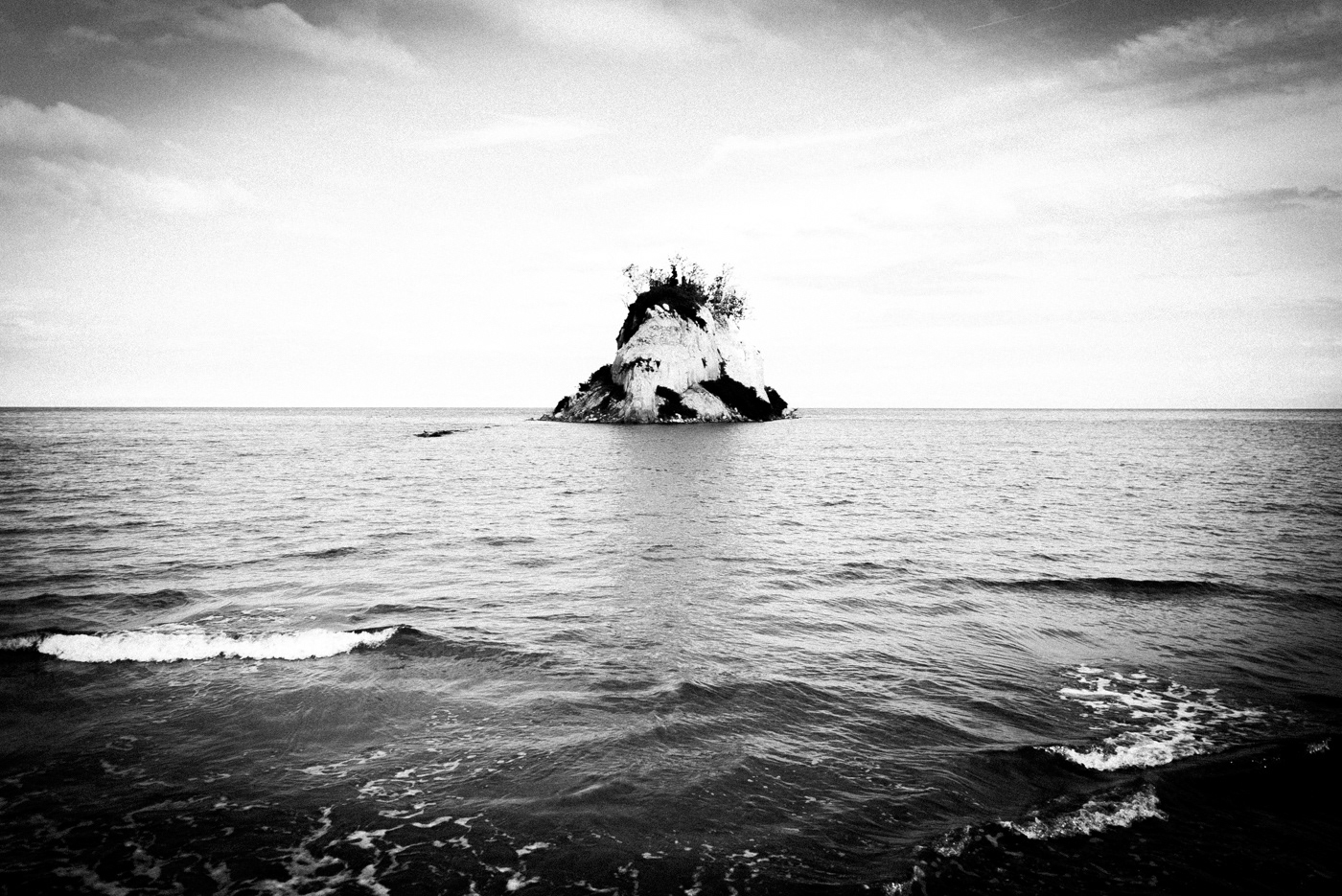
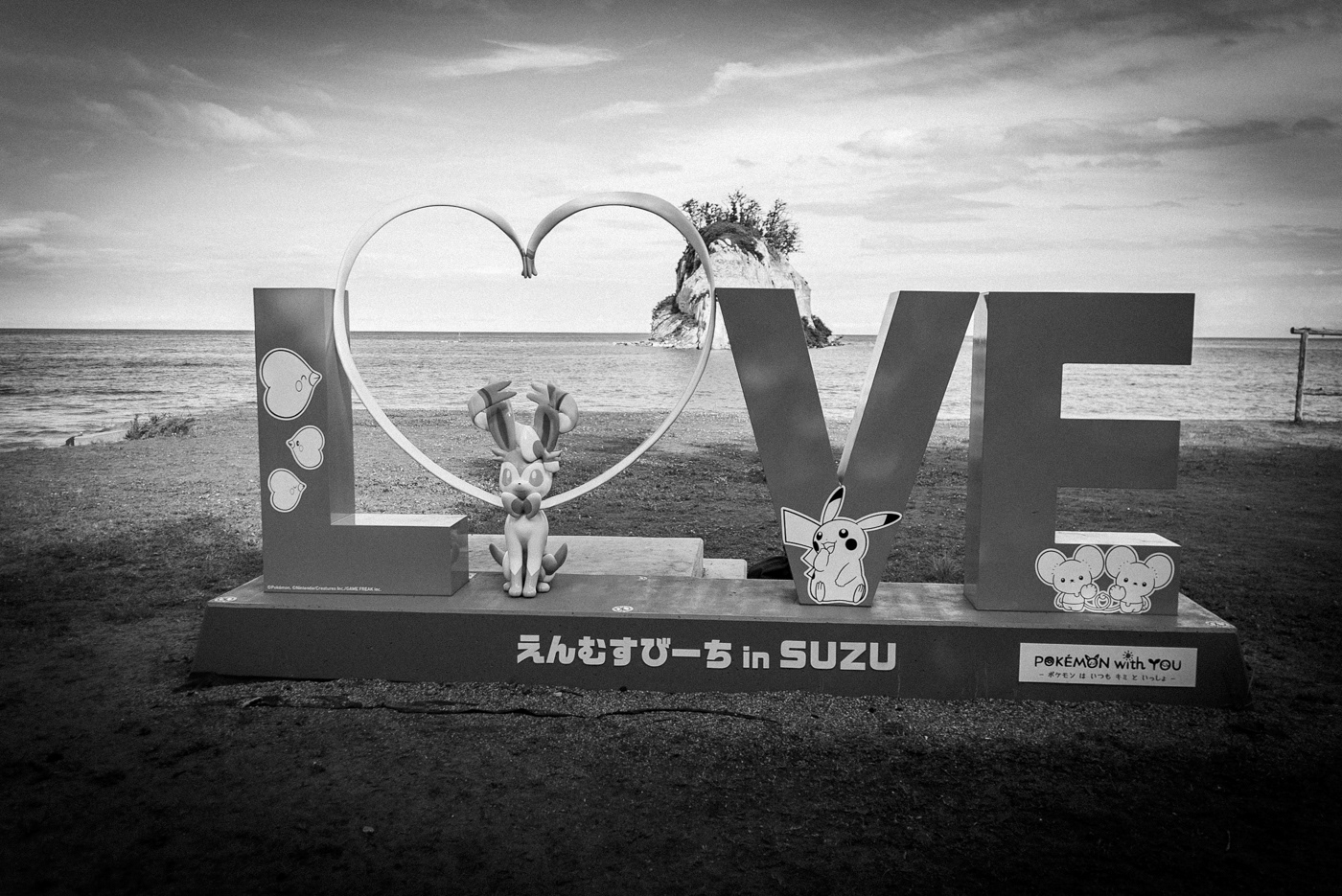
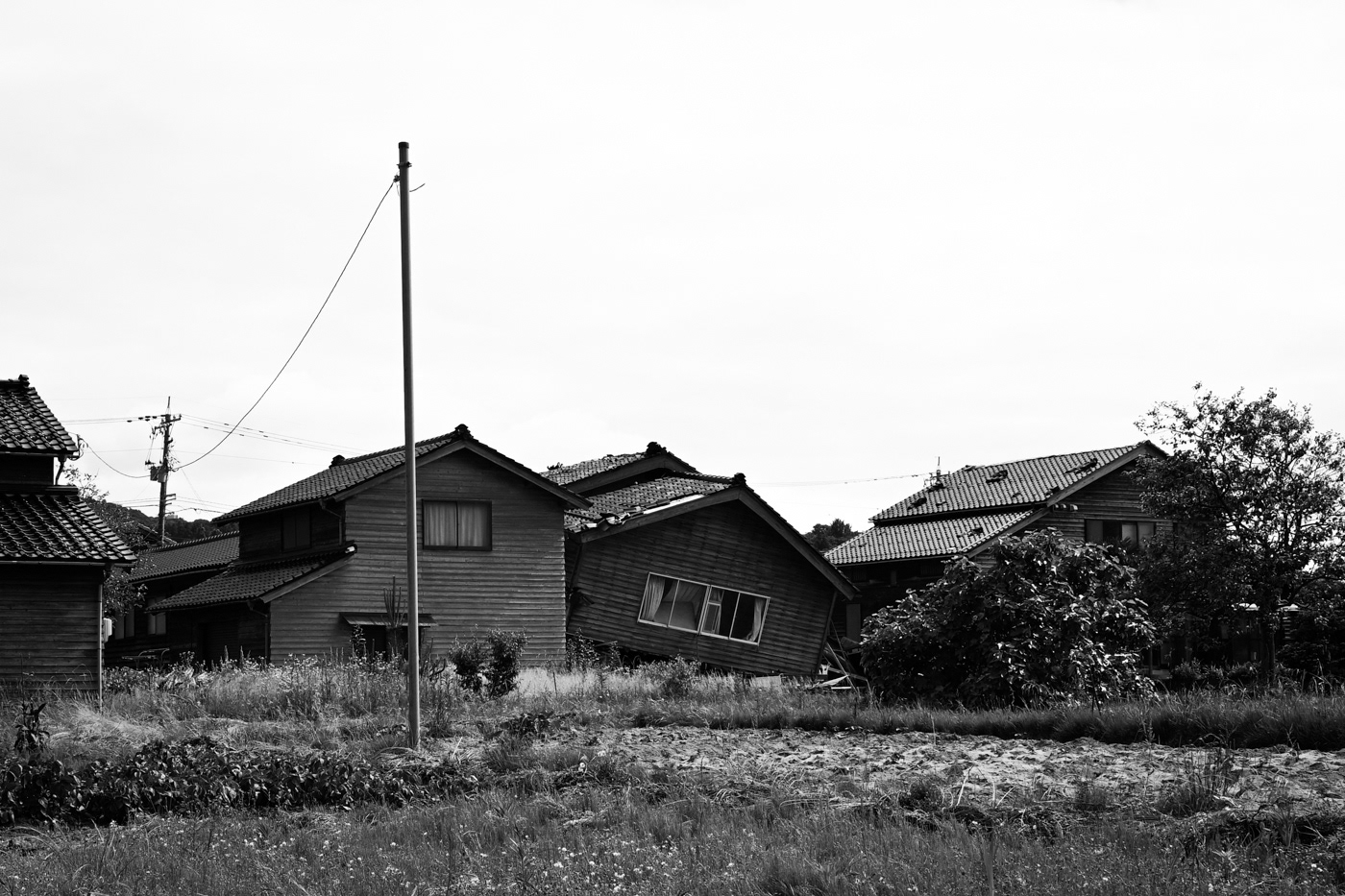
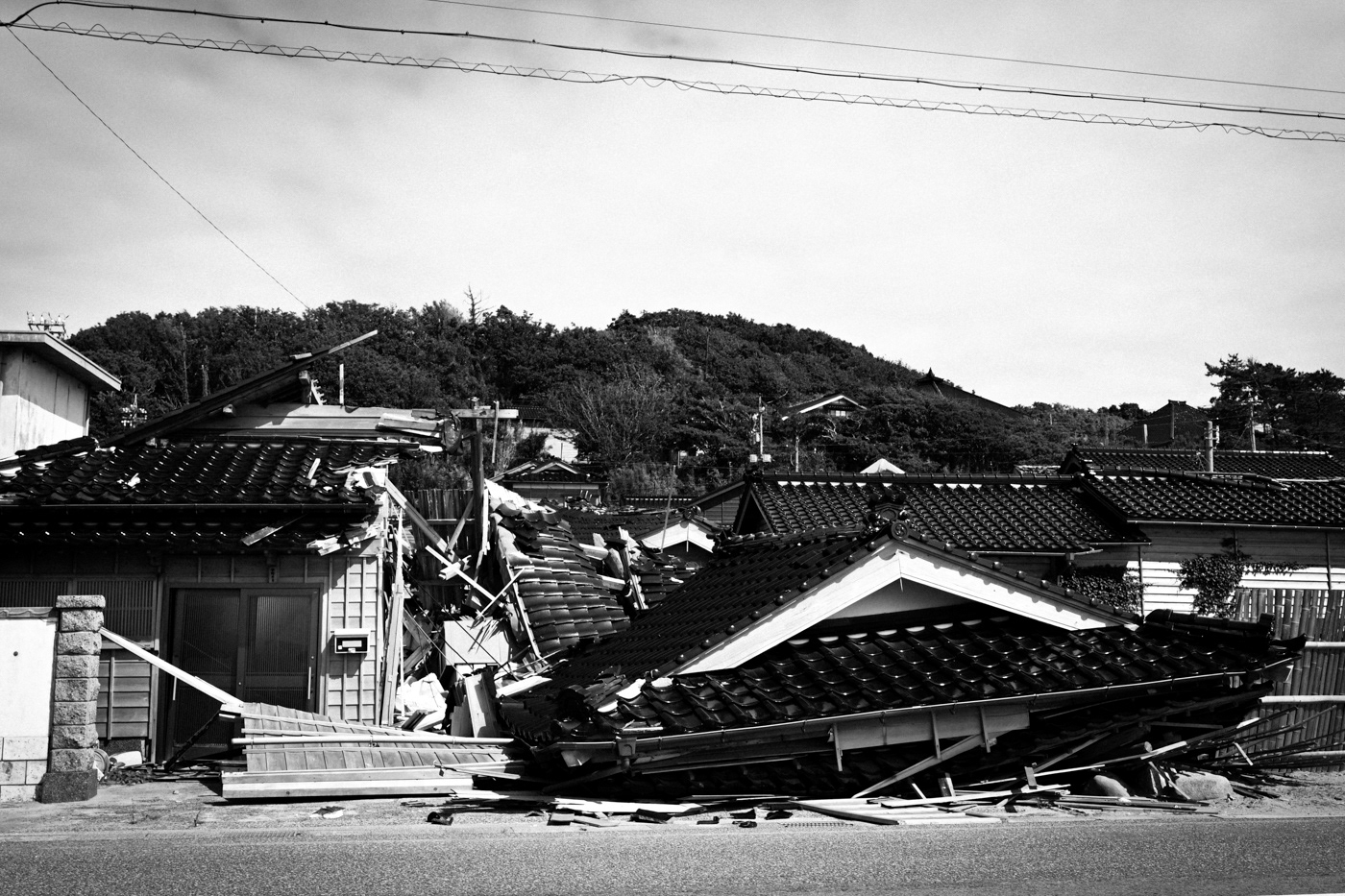
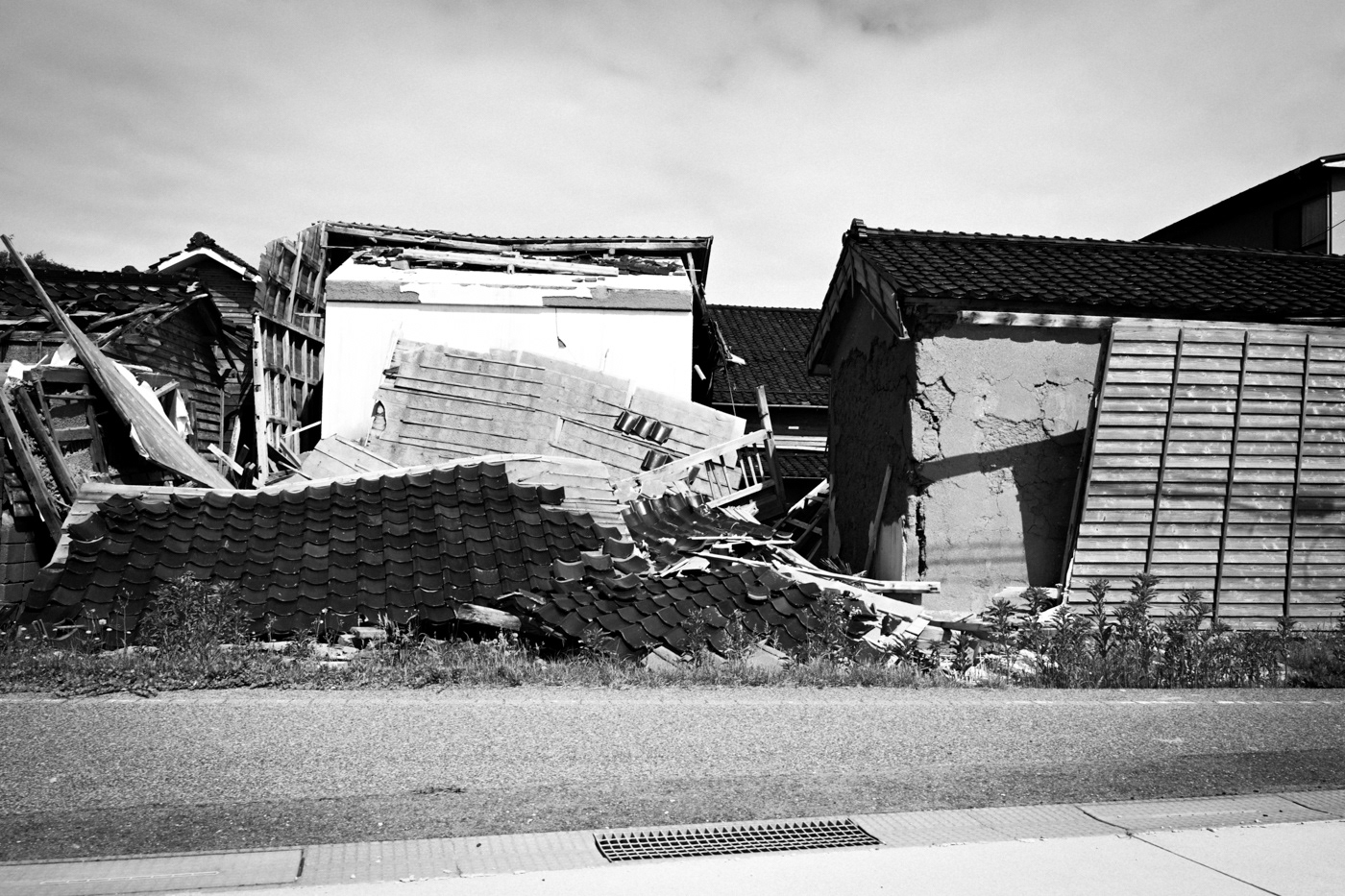
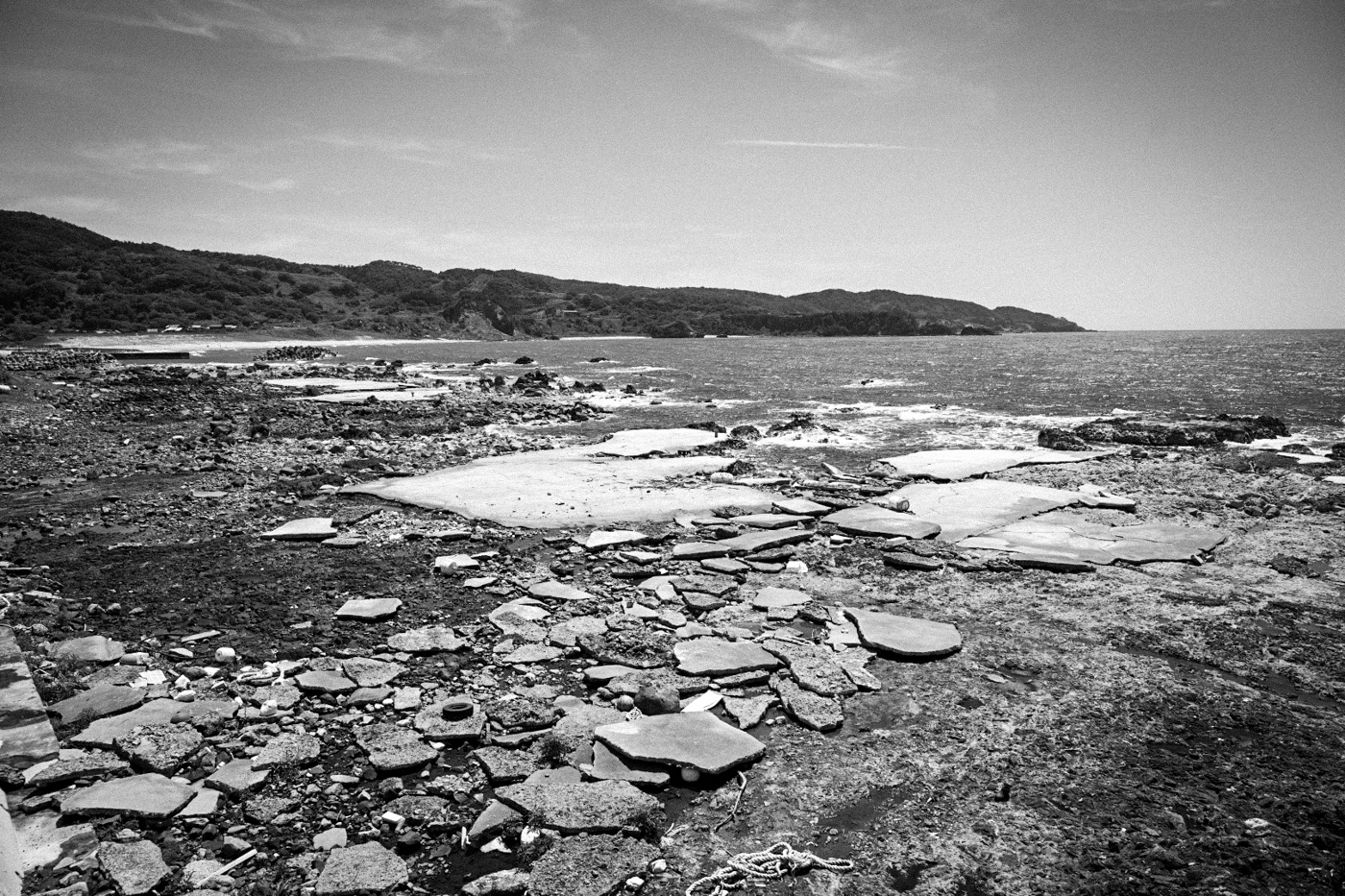
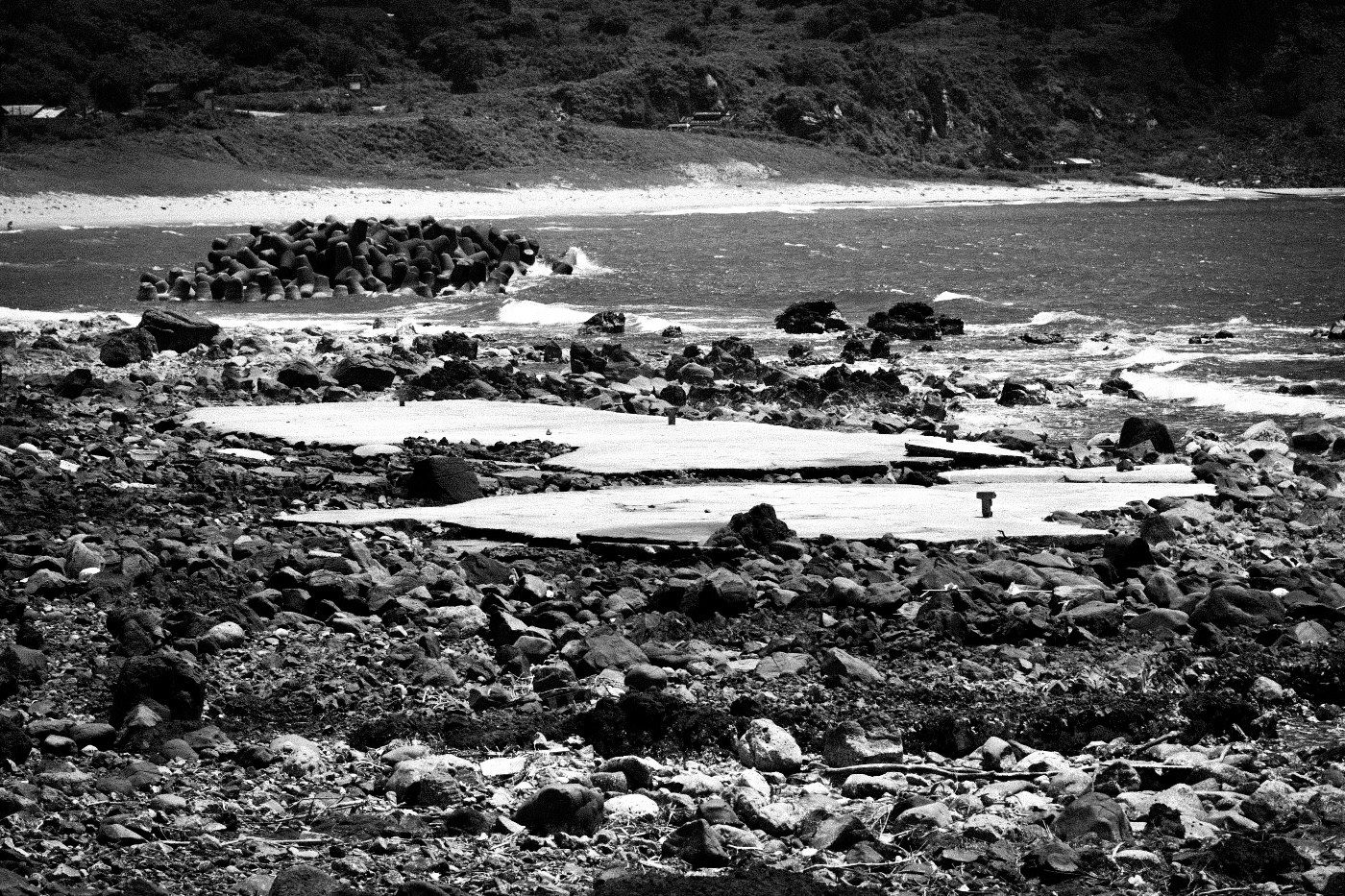
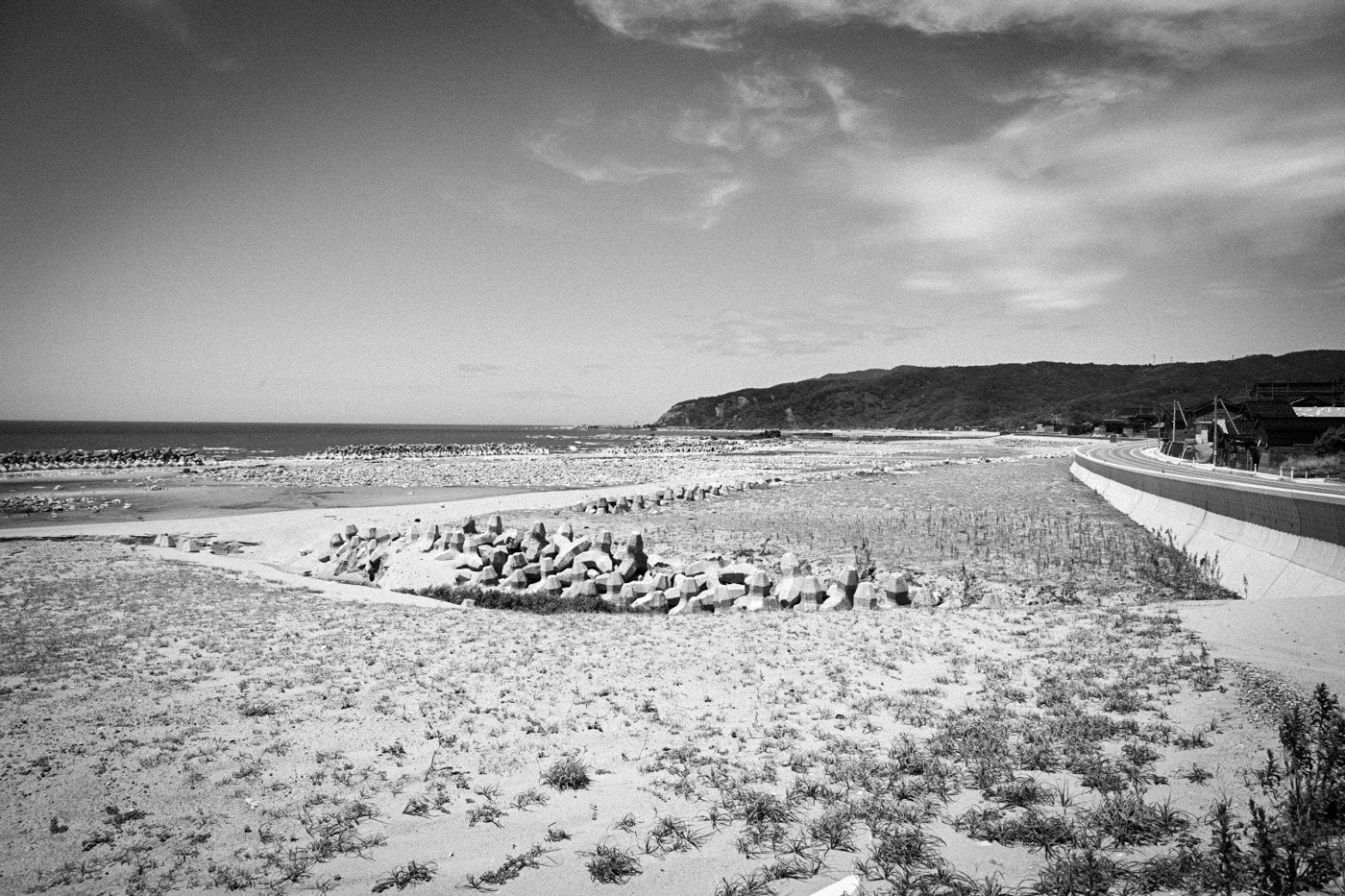
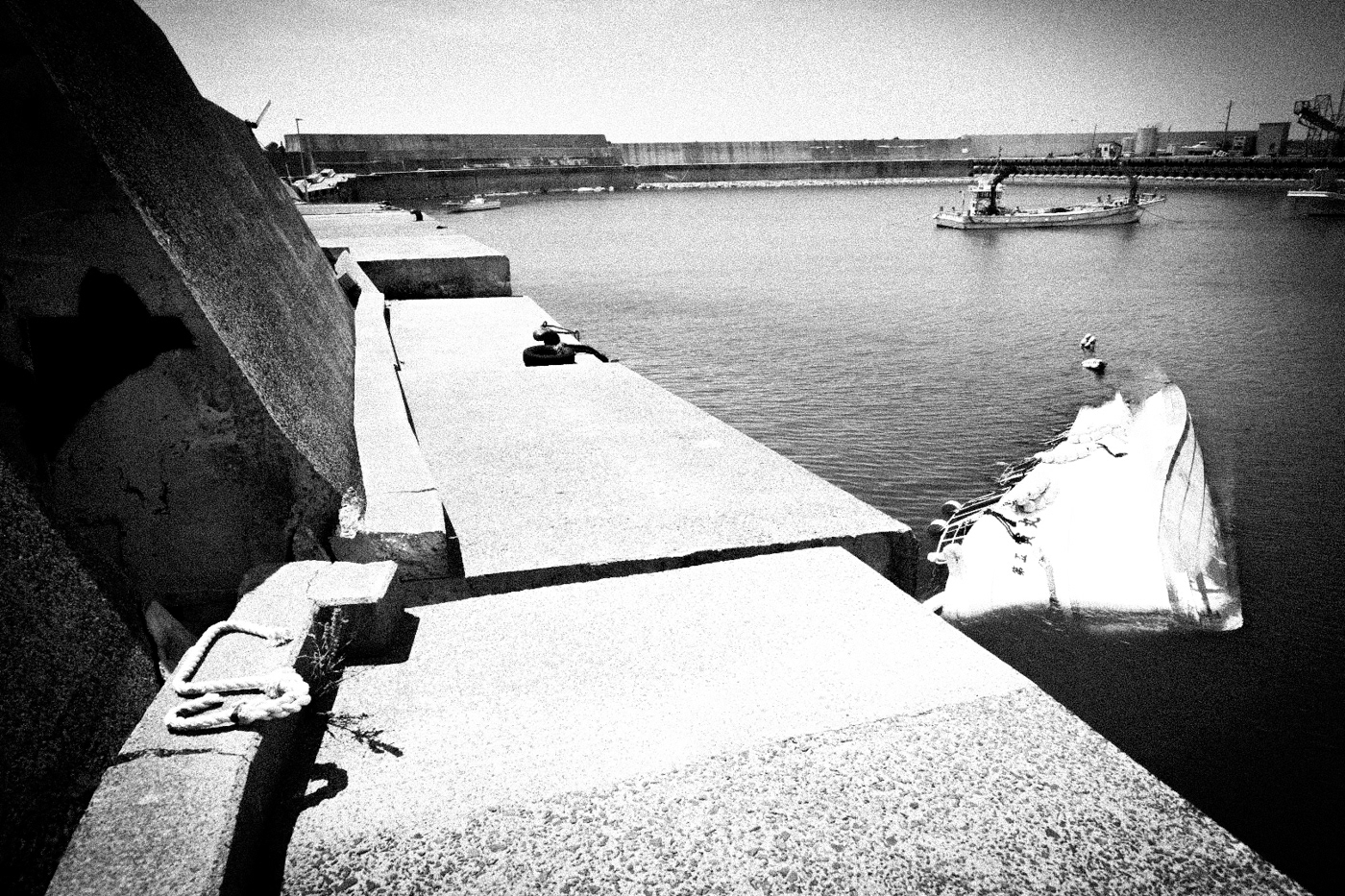
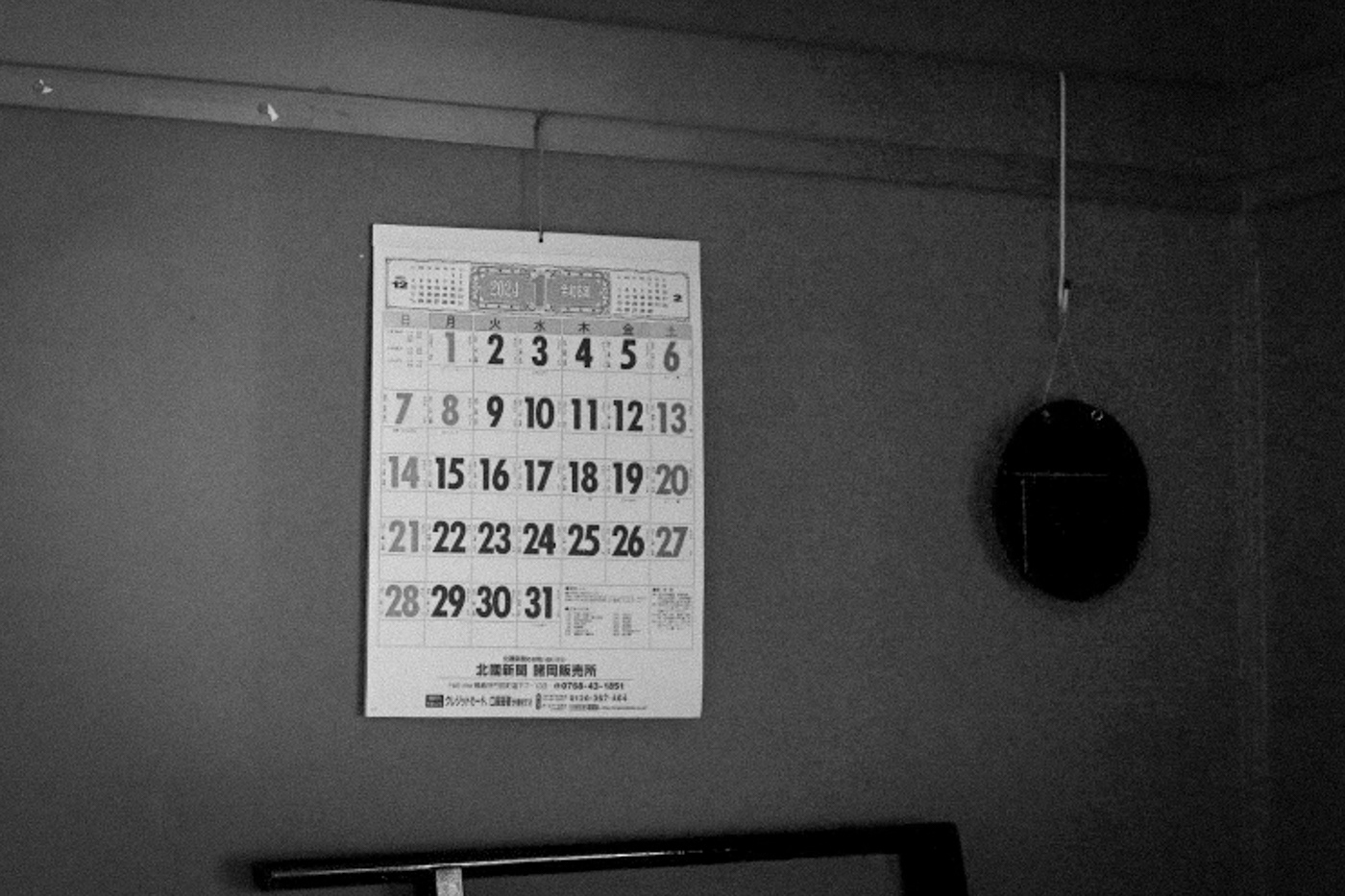
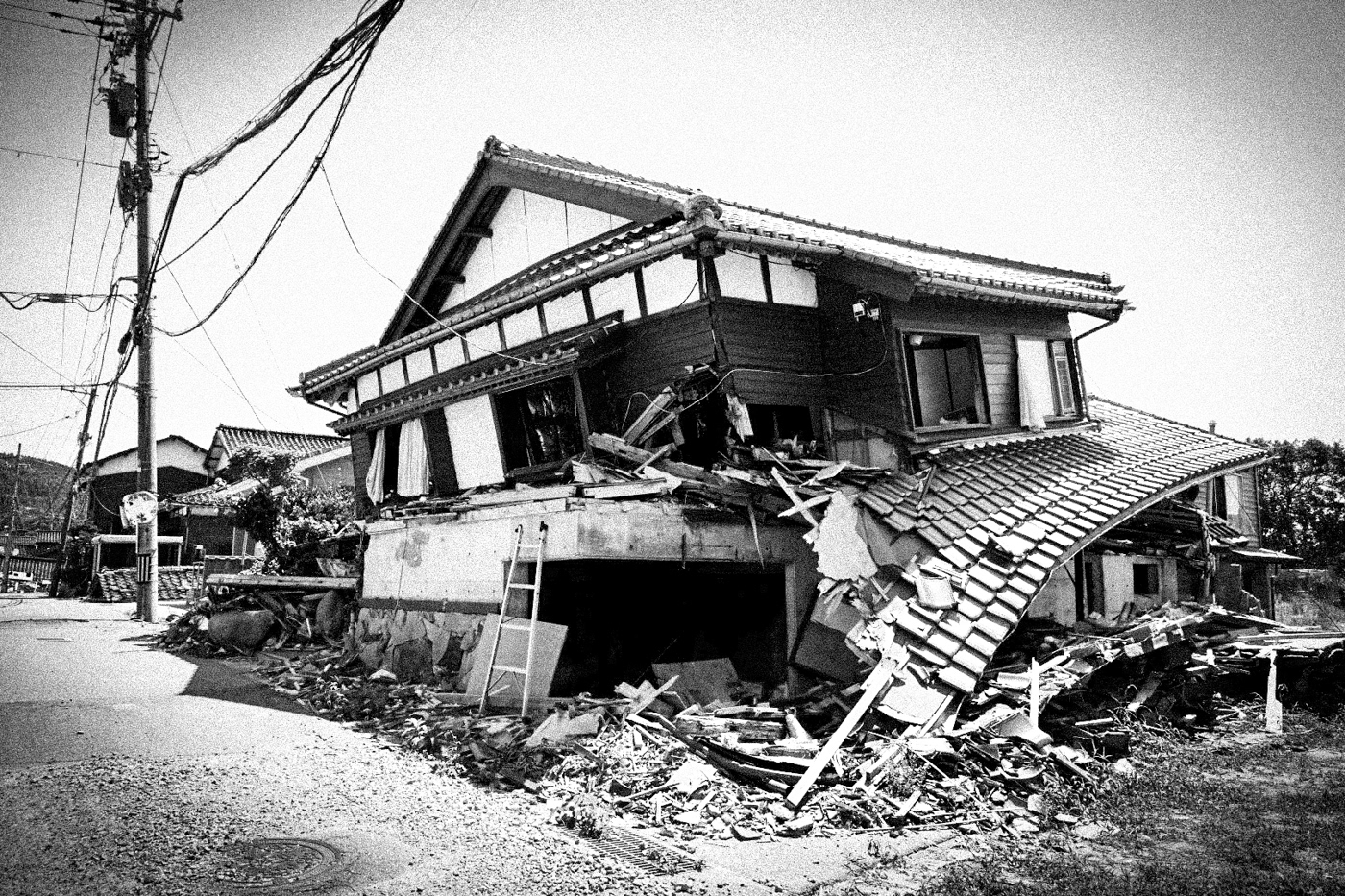
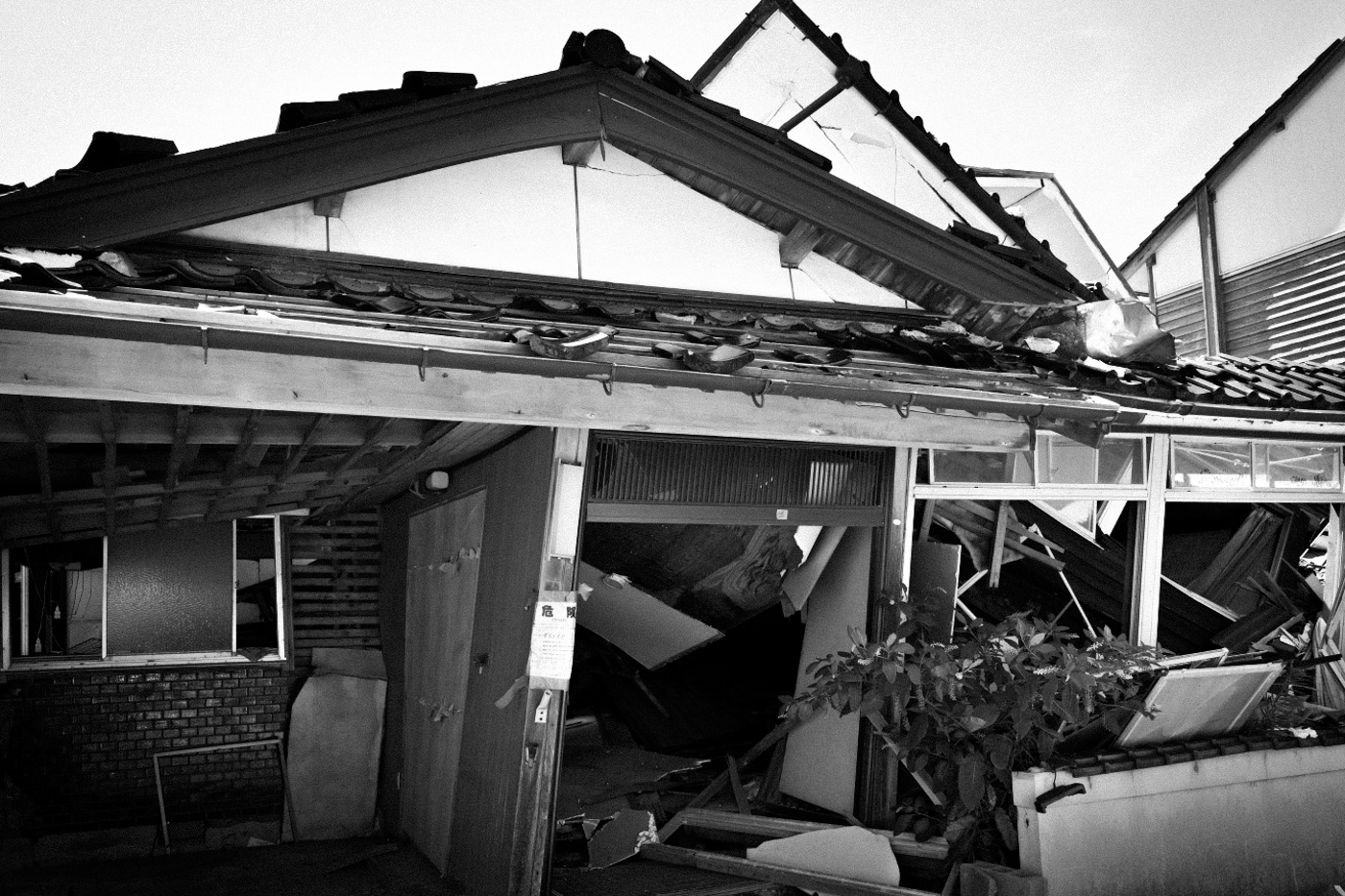
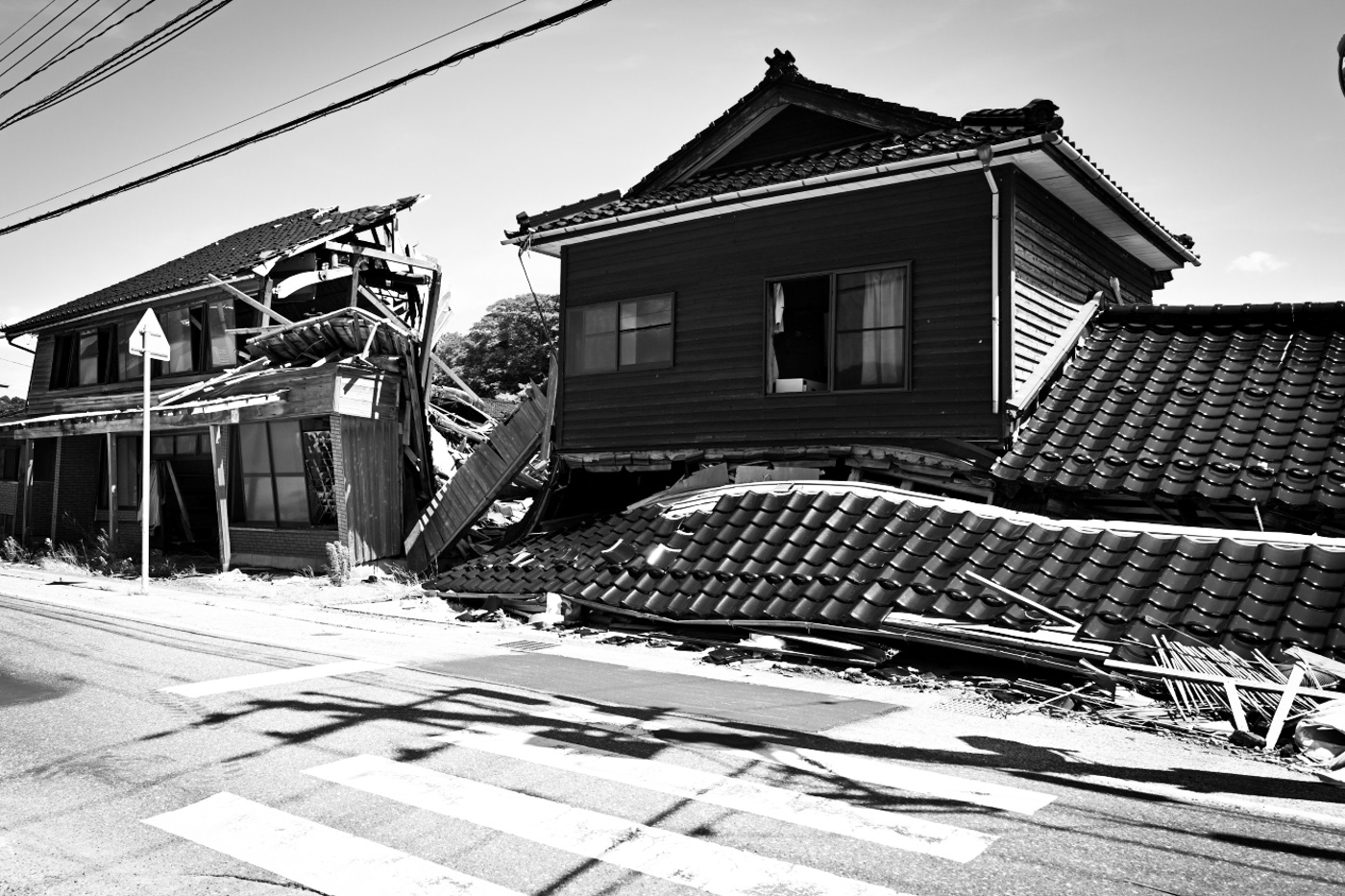
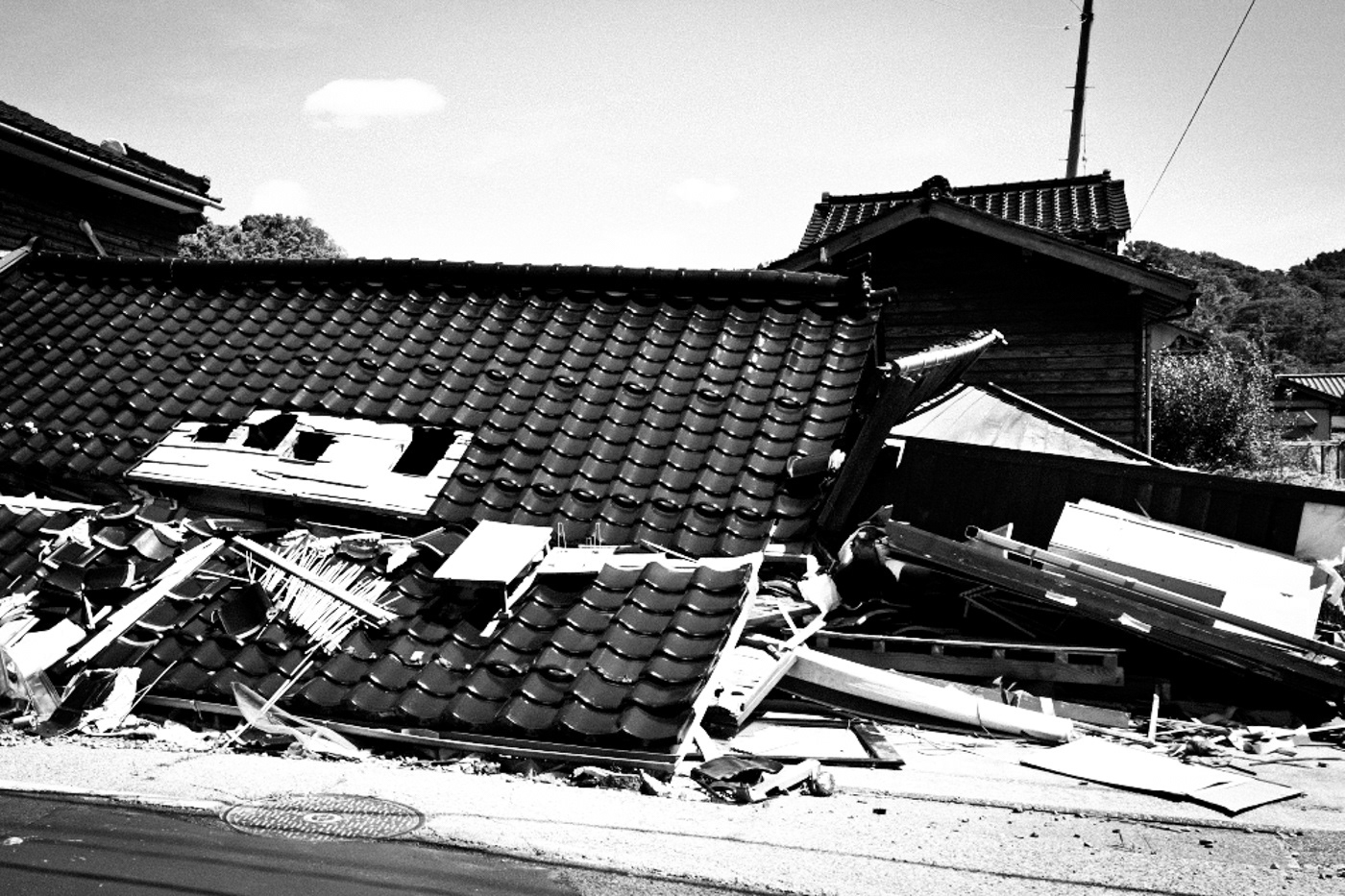
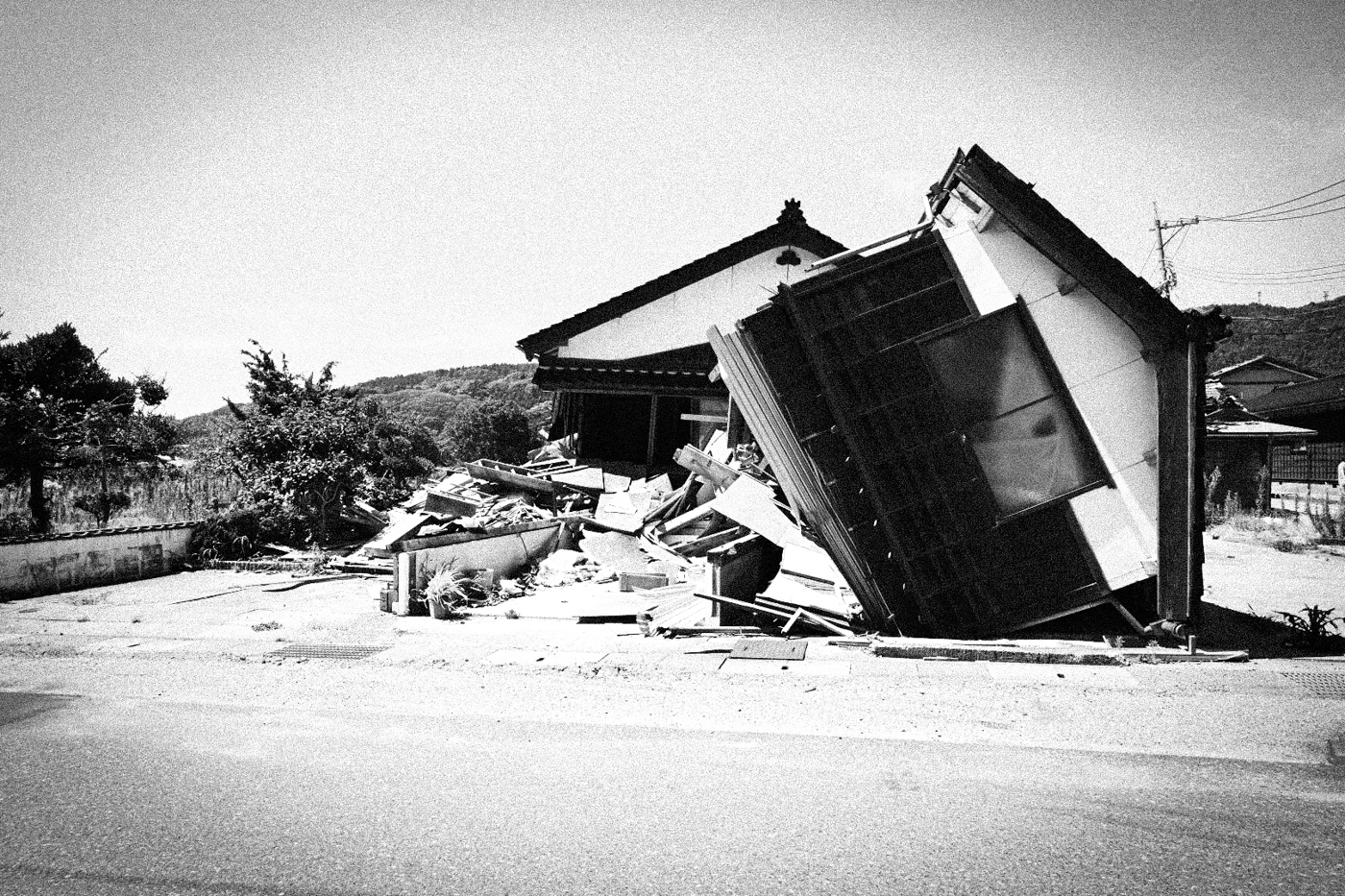
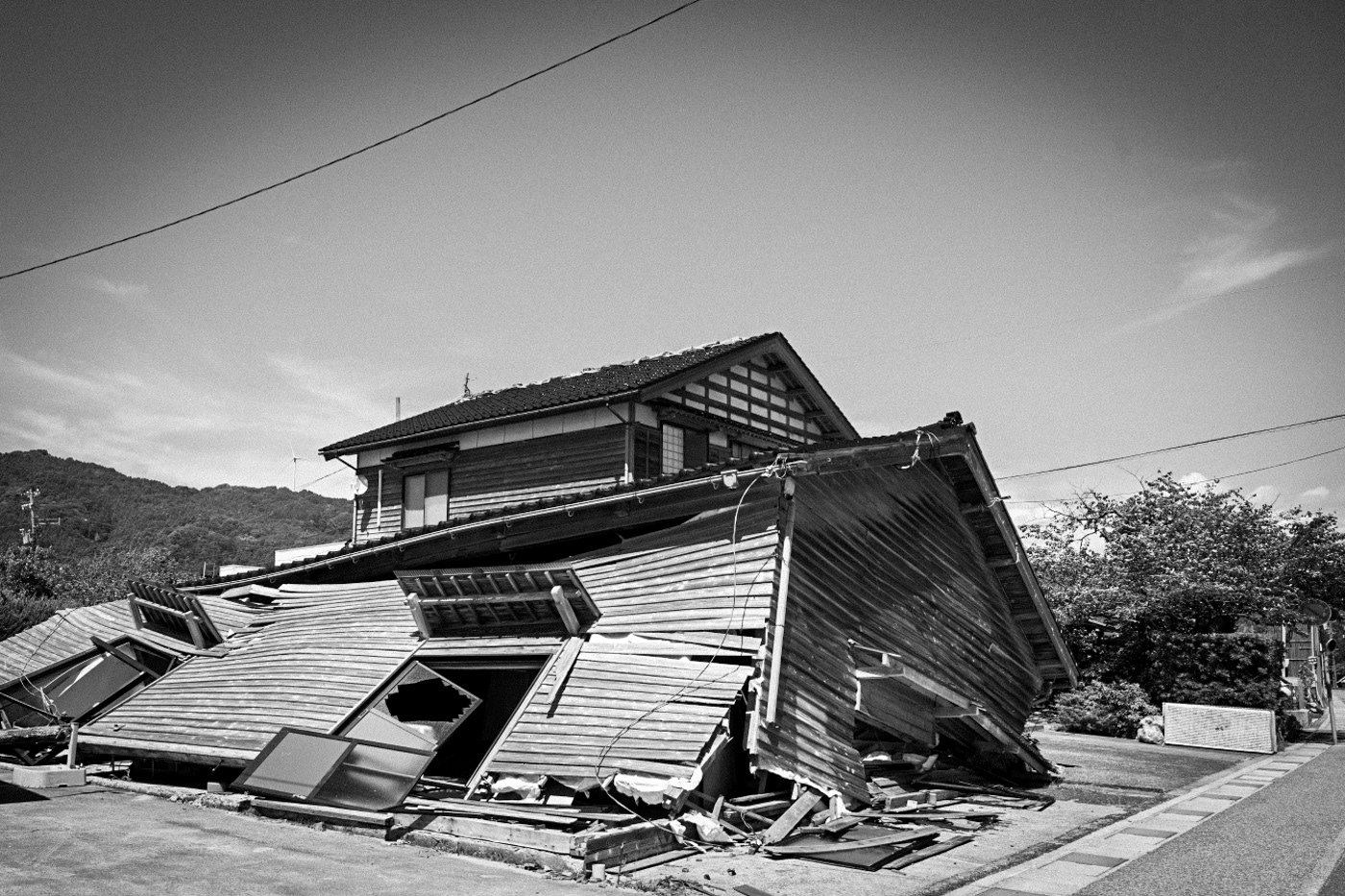
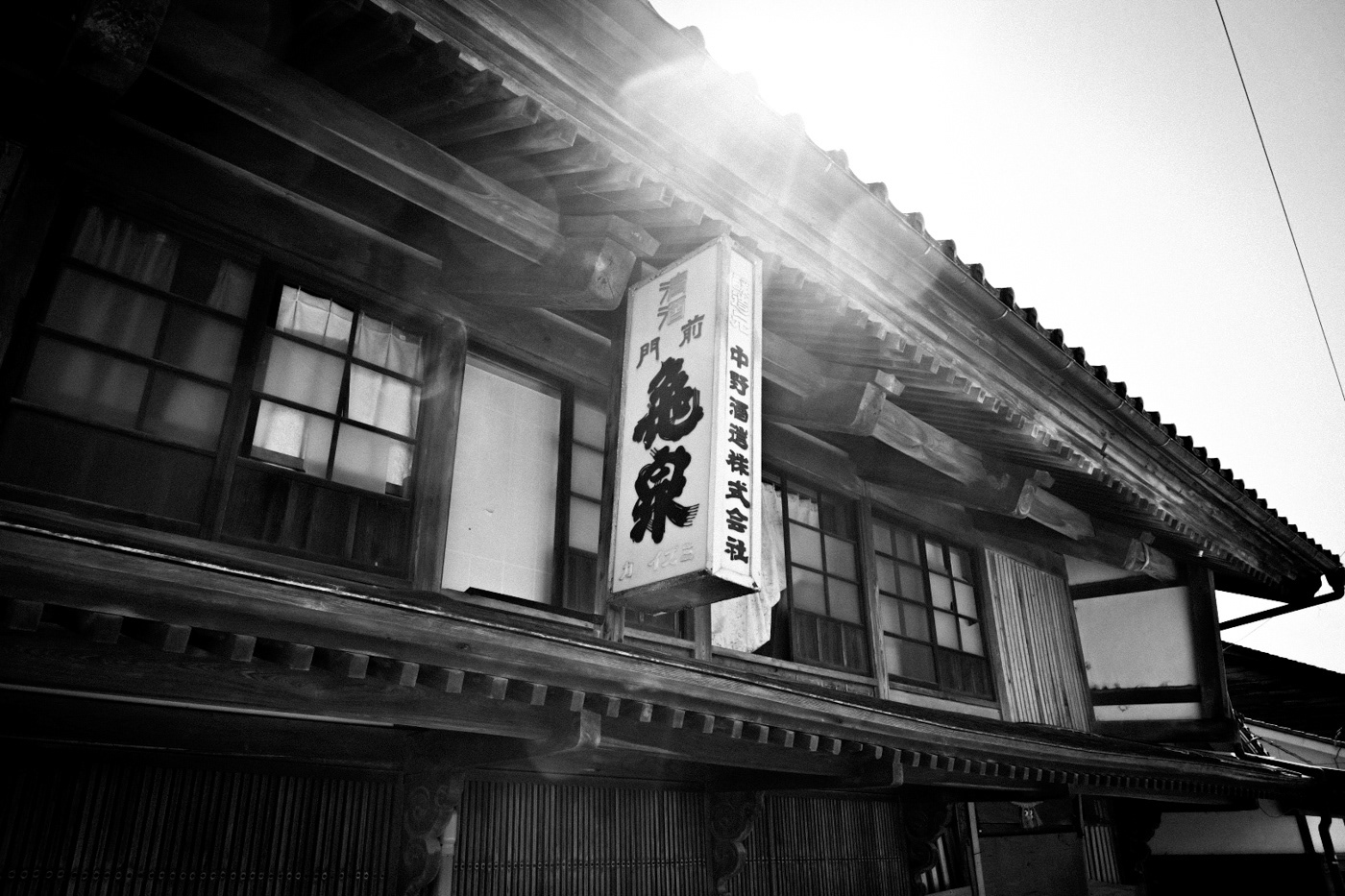
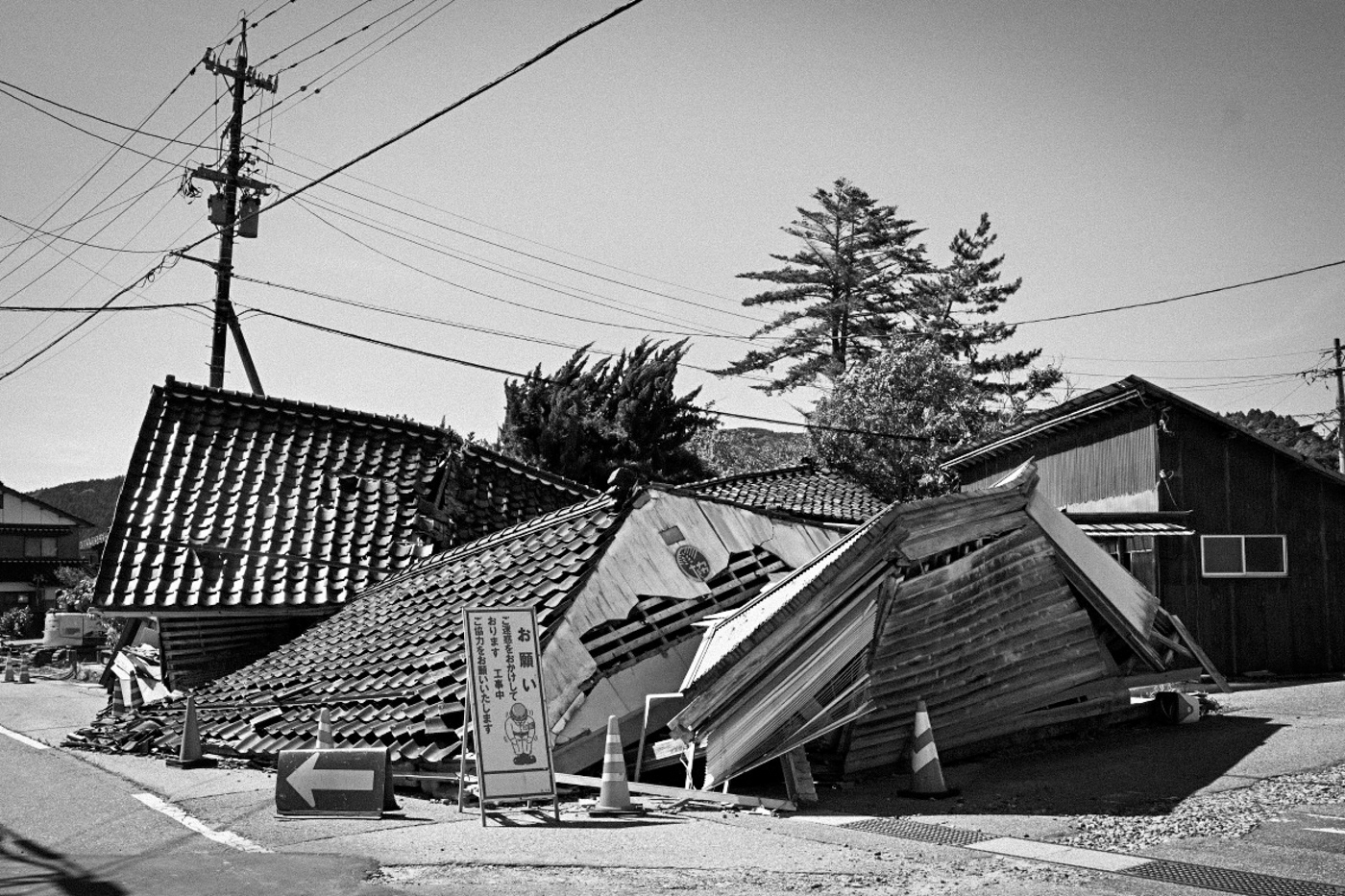
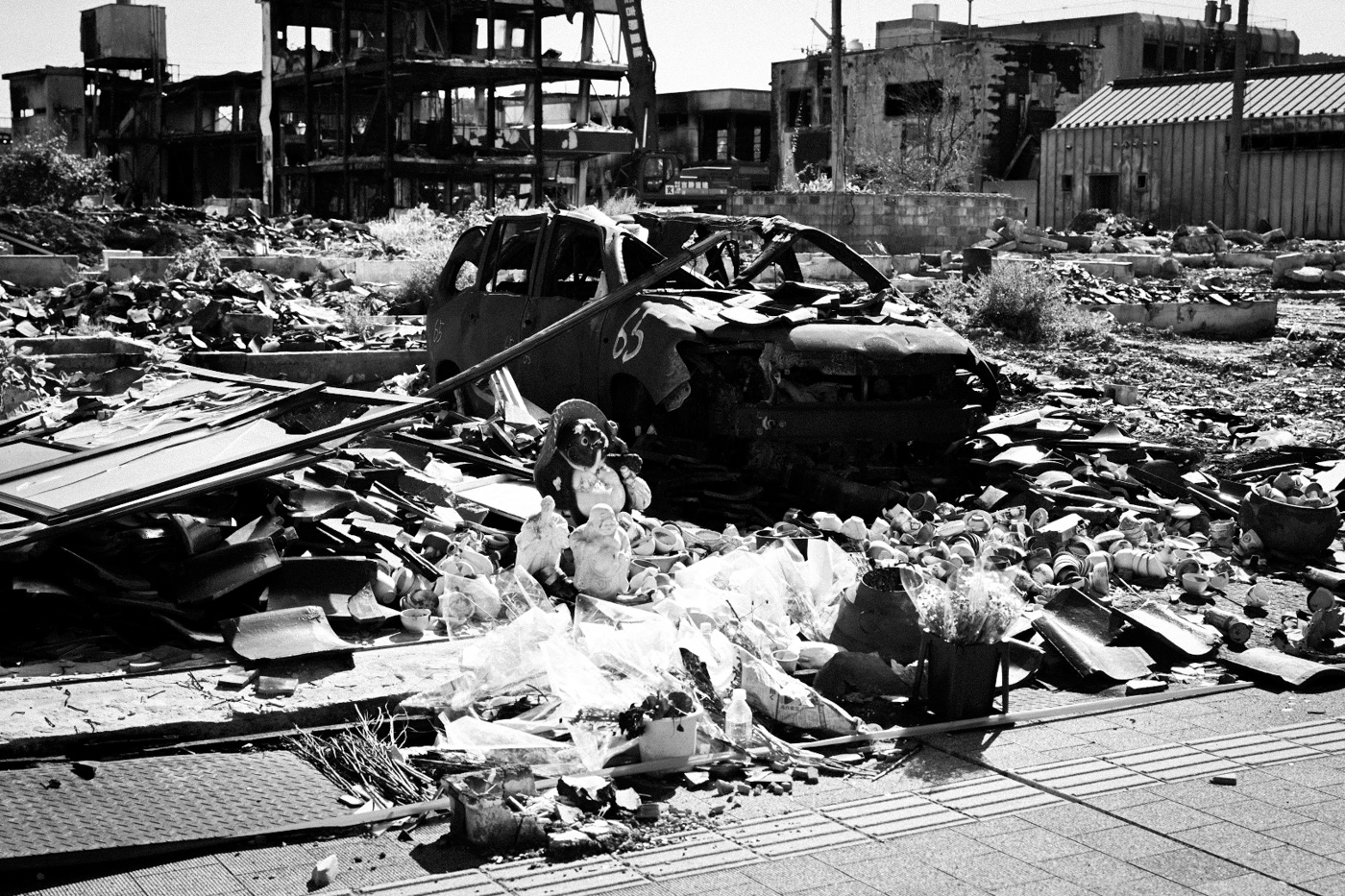
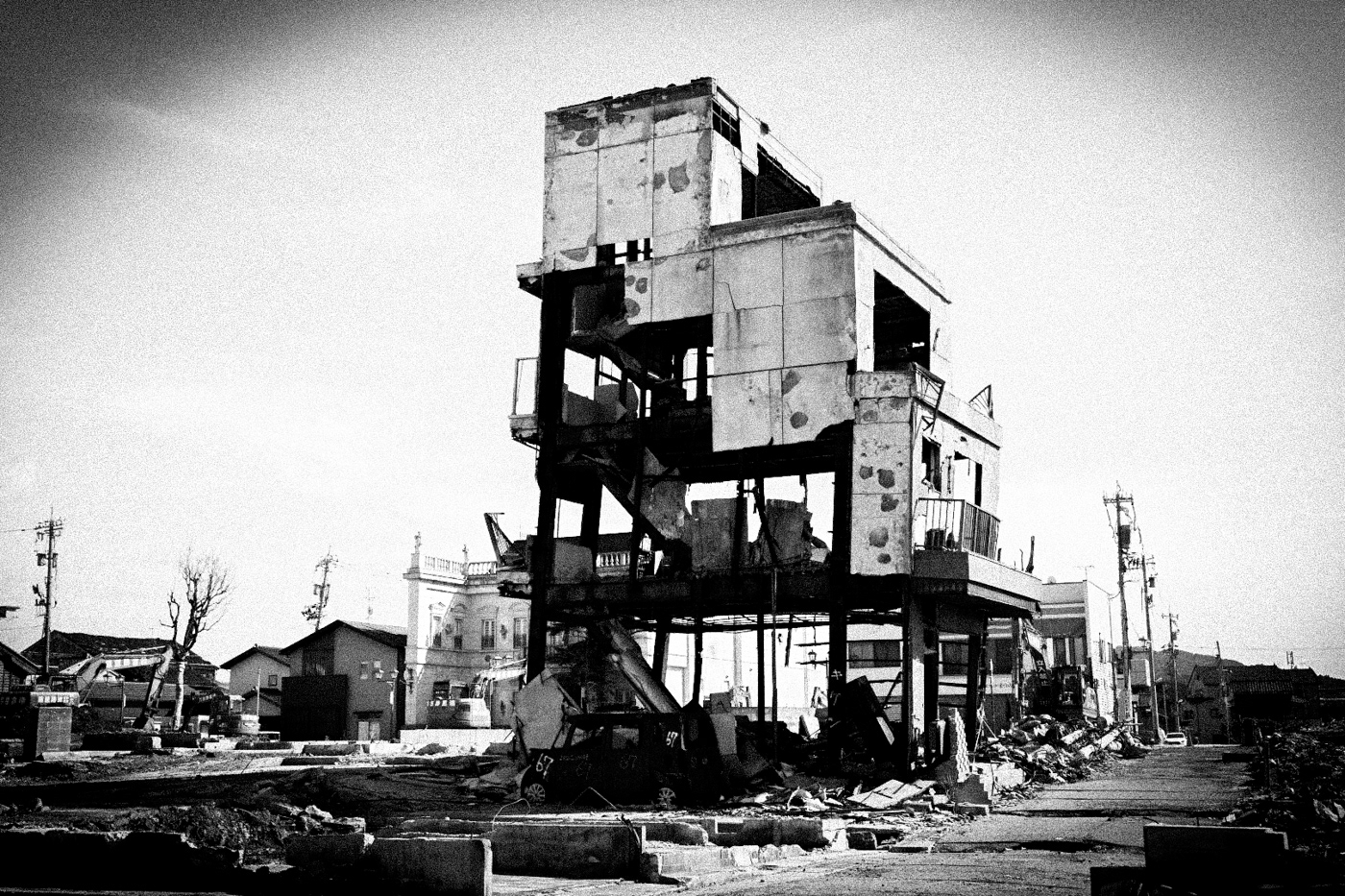
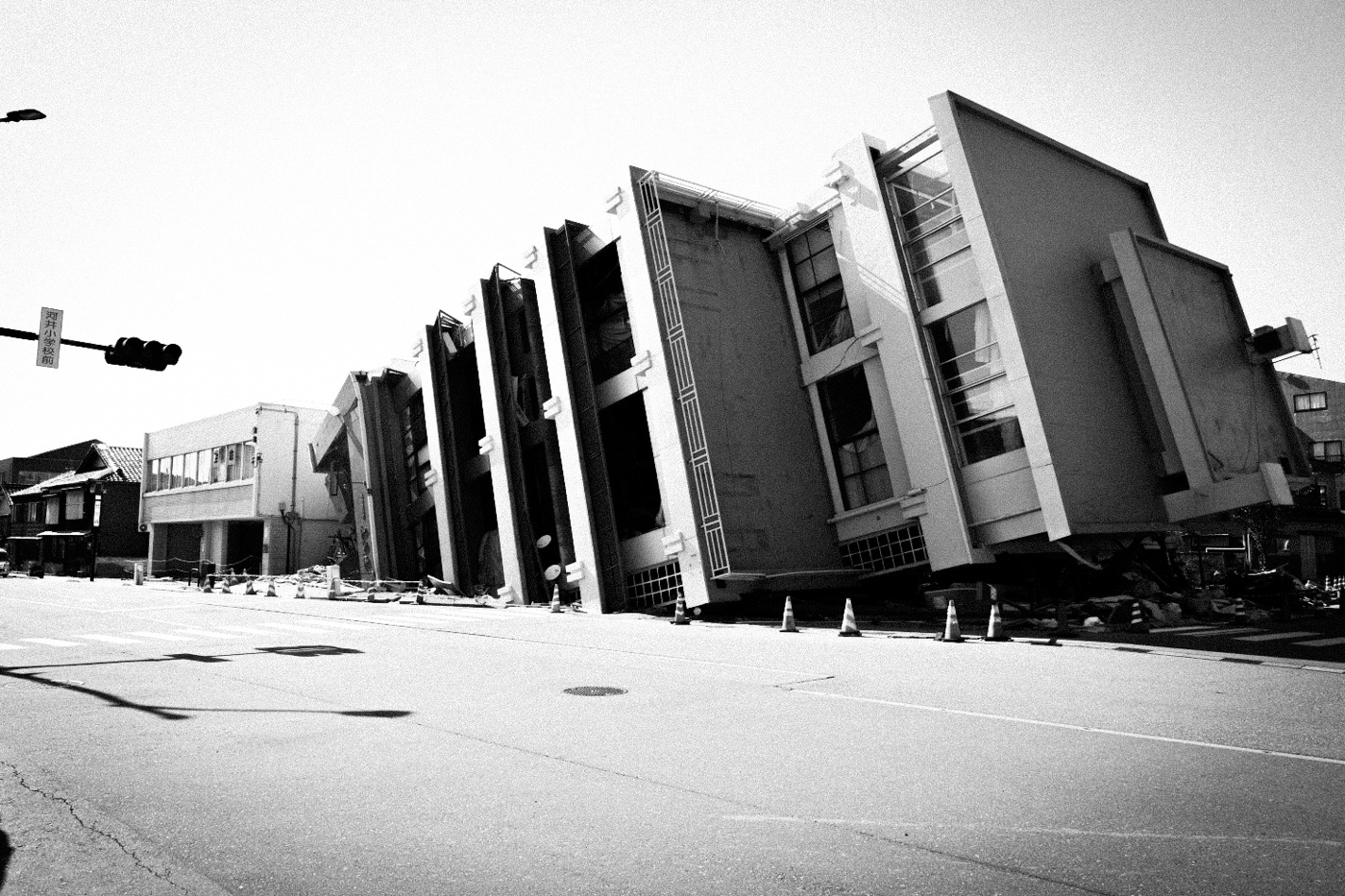
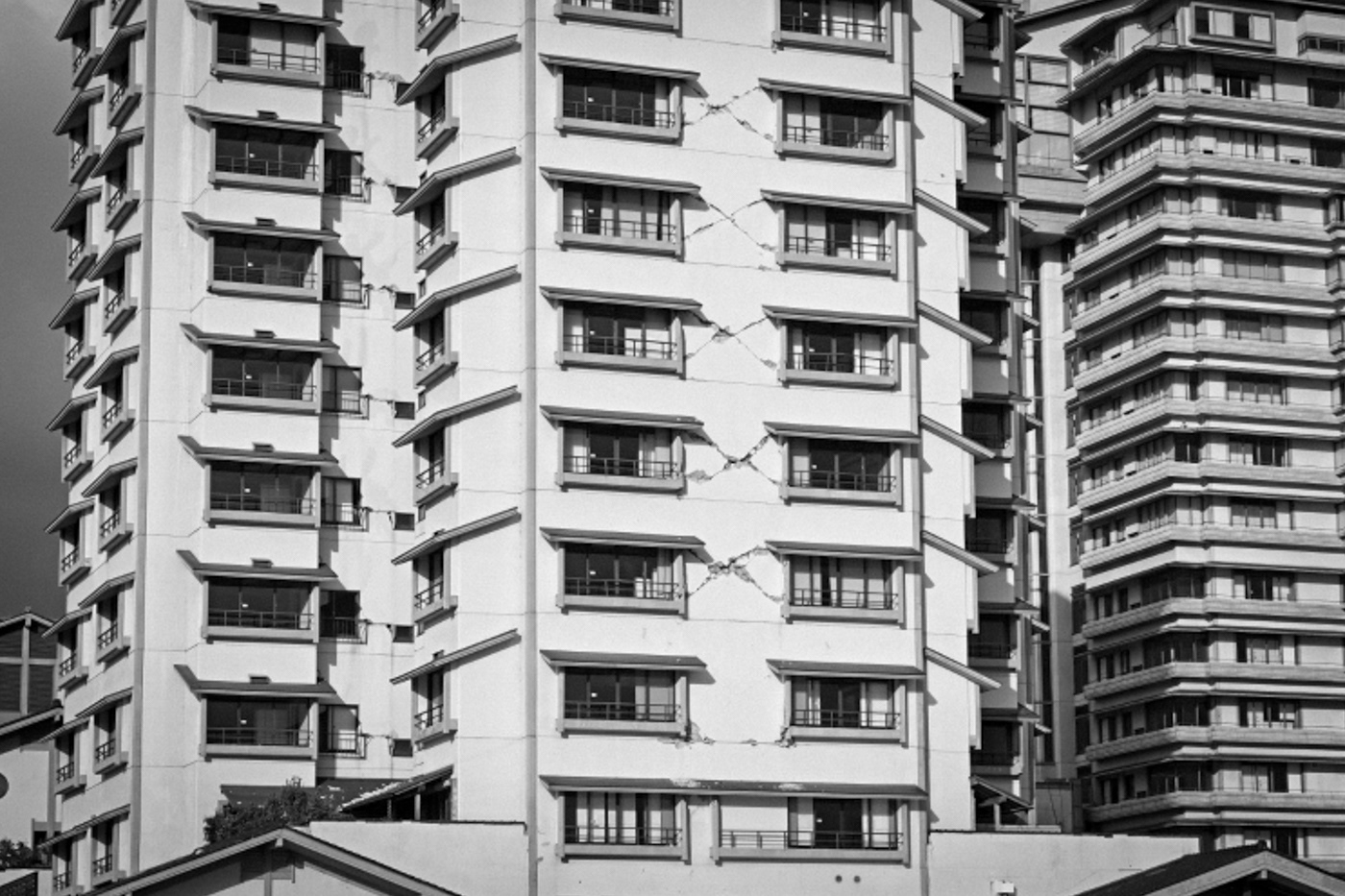
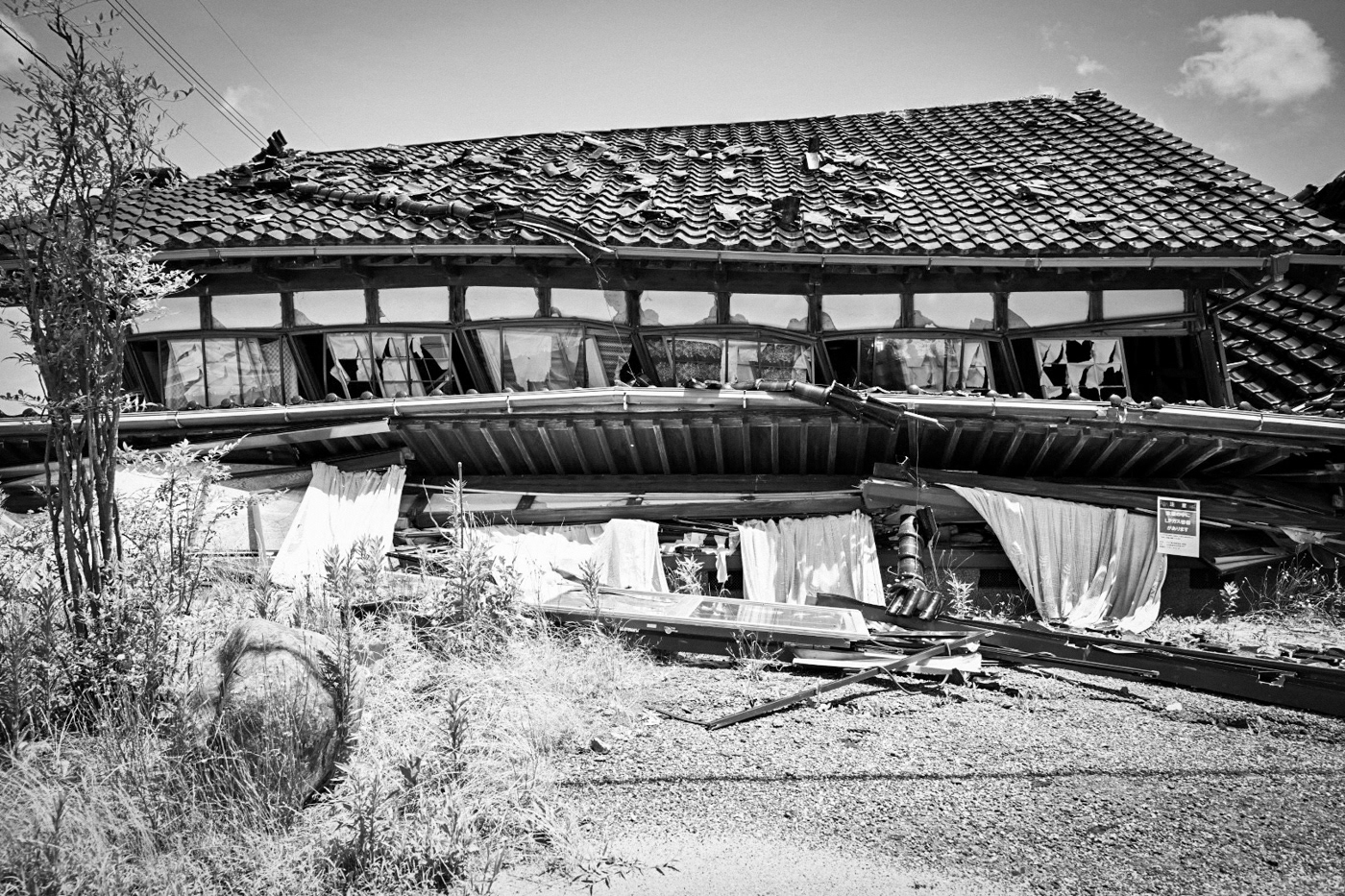
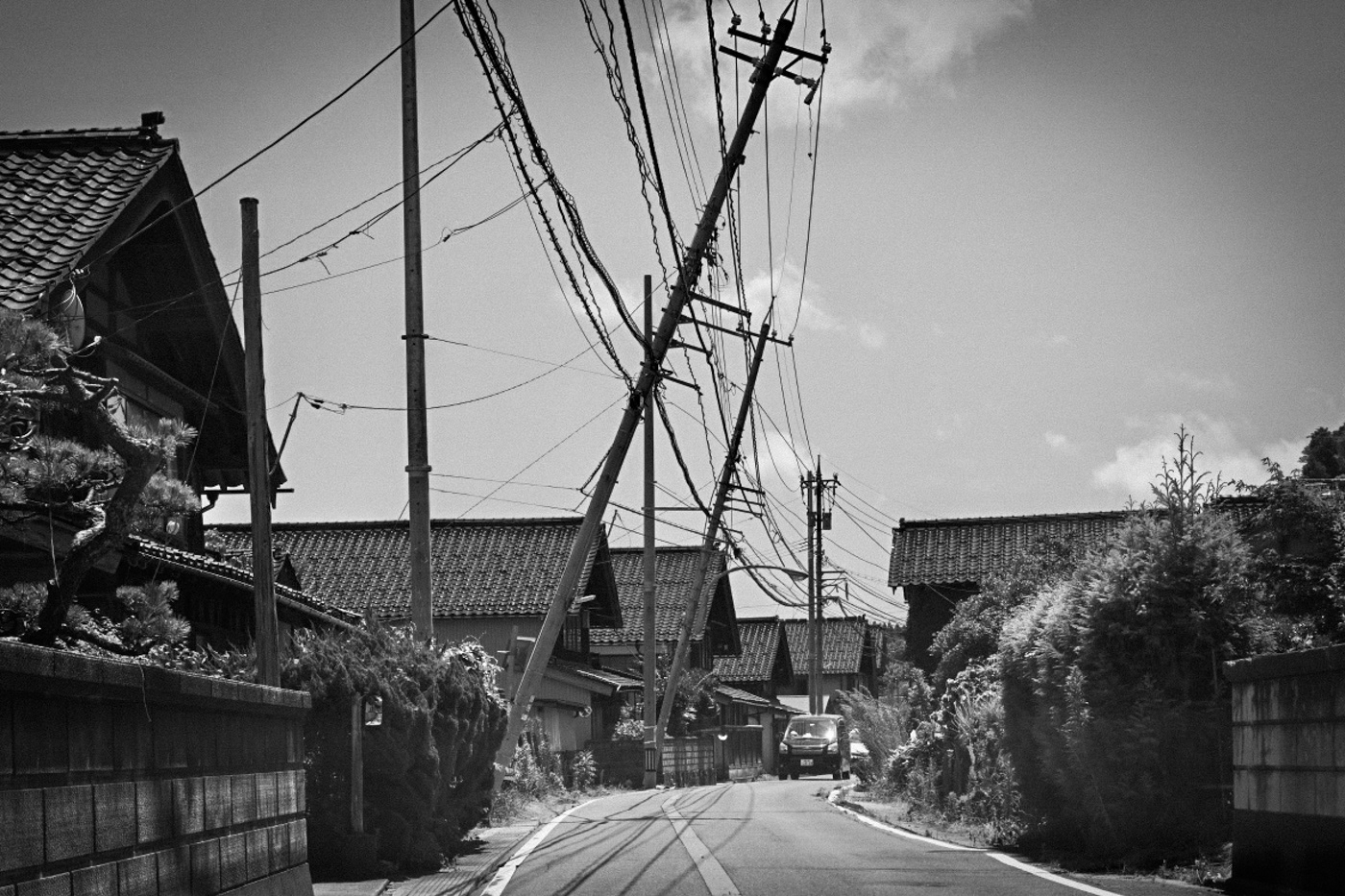
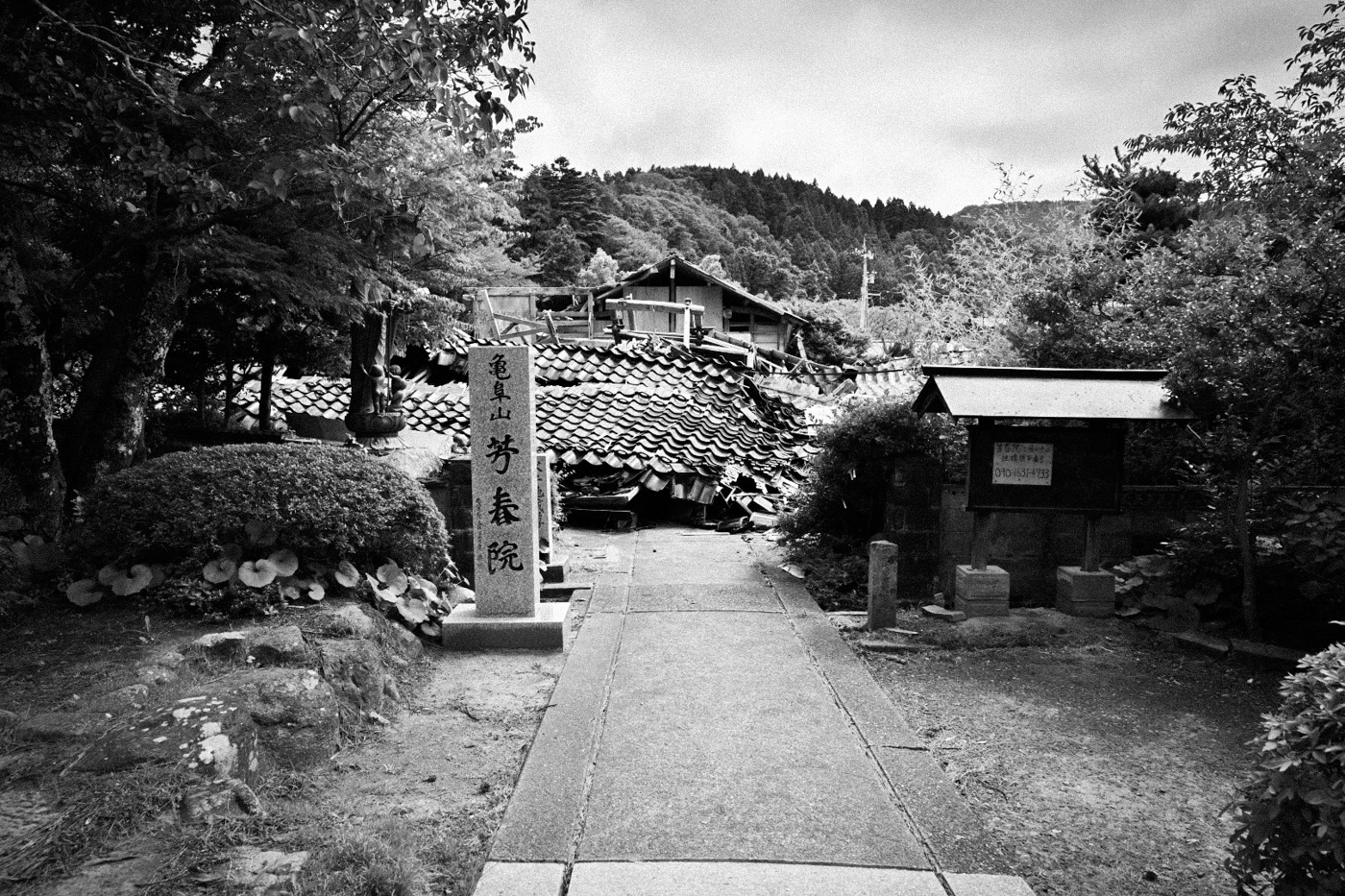
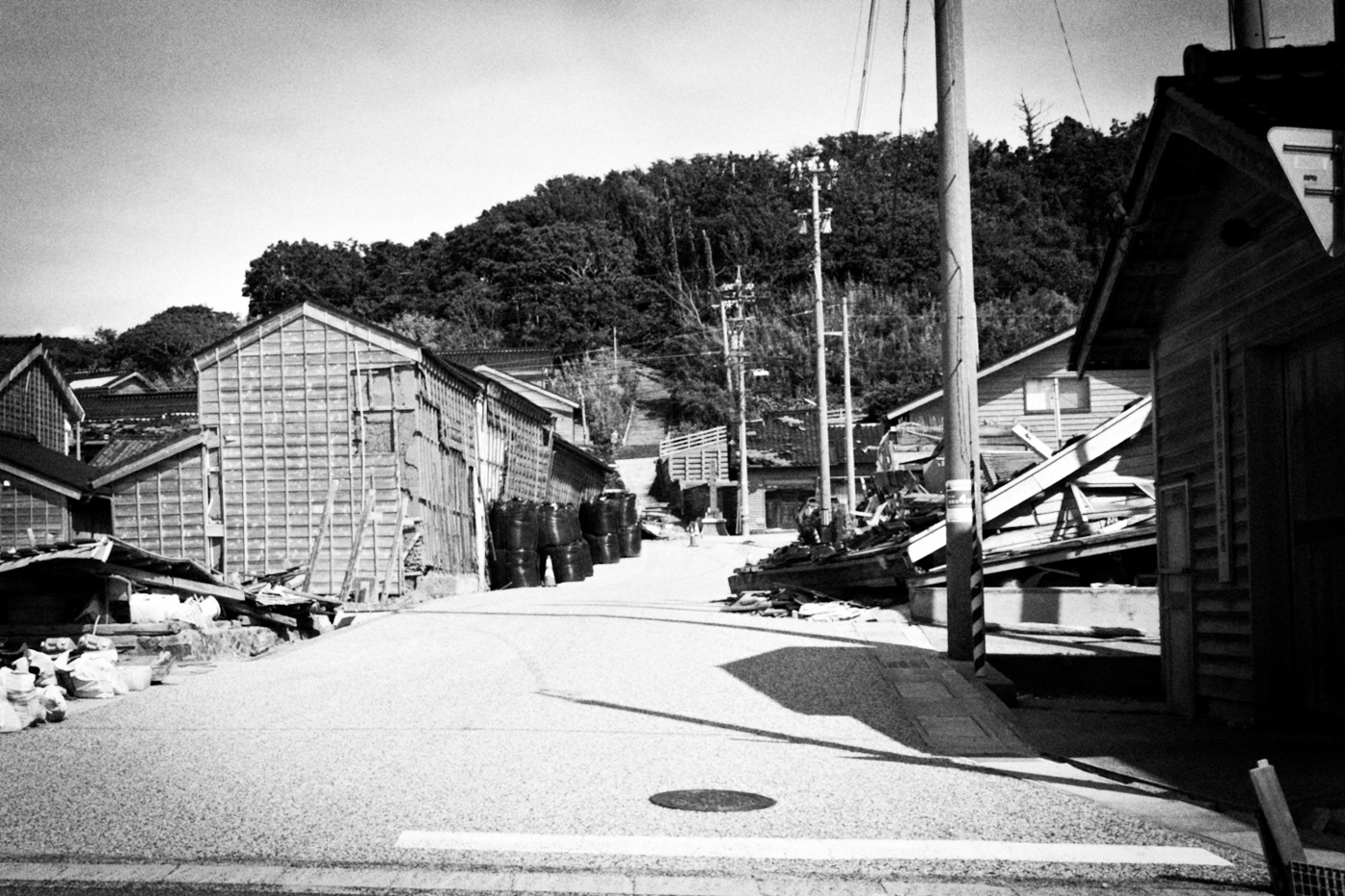
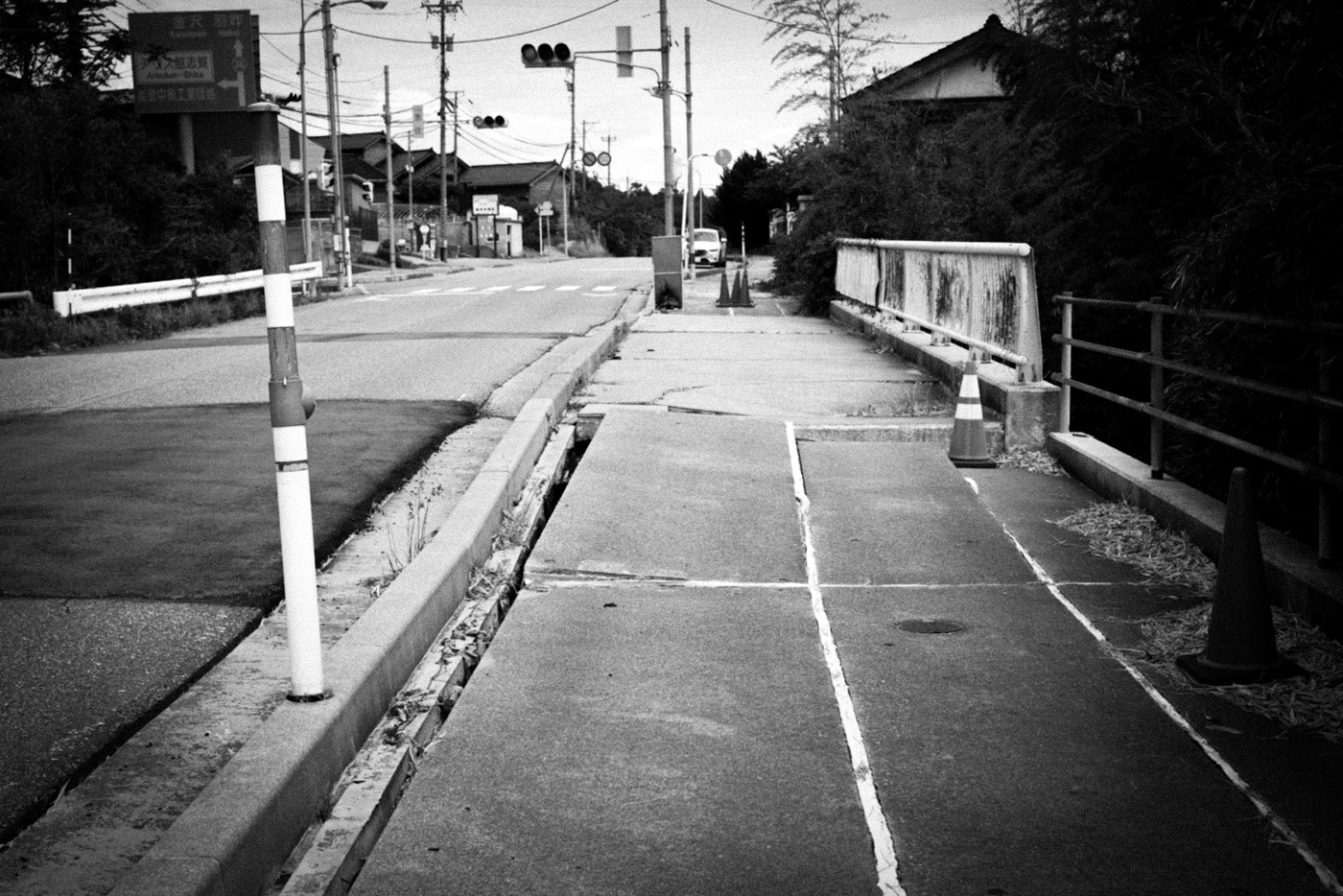
Flashback :On the Streets of Oku-Noto I have returned from a long business trip to Kyoto. From July 26 to 28, I was in Kanazawa and visited the disaster-affected areas of Oku-Noto. It was my first visit to Oku-Noto in a year, and my third since the Noto Peninsula Earthquake struck. Two and a half years after the disaster, I wanted to see with my own eyes how things had changed—or hadn't. From Kanazawa to Hakui, the roads were mostly restored, and houses with blue tarps on their roofs were hard to find. However, as soon as I drove north along Route 249 into Tsurugidi, Monzen-machi, Wajima City, I felt a sudden stillness—as if time had stood still. A large sign jumped out at me:“Demolition is the absolute last priority.” It meant that repairing roads and buildings came first, and demolishing houses with no prospect of restoration was pushed to the very end. There were still many temporary housing complexes, giving me the strong impression that rebuilding lives was making slow progress. At the intersection of Route 249 and Nishikigawa-dori in downtown Wajima, the blue building that had fallen on its side—along with the izakaya it had crushed—was completely gone, leaving an empty plot of land. Yet all around it, collapsed houses remained untouched, looking as though they had been abandoned. The moment I left the city center of Wajima, the road conditions grew noticeably worse. Utility poles leaned precariously, and collapsed mountainsides spilled over the asphalt. Detours for alternating one-way traffic were set up everywhere, and recovery work was underway. I couldn't tell whether the mountain collapses were caused by the earthquake or by the heavy rains that hit Oku-Noto last year. At the Senmaida rice terraces in Sosogi, where mudflows had poured in during last year’s torrential rains, large areas were still visibly buried in mud. Even so, tourists seemed to be gradually returning, and I found myself alongside a lively tour group. Pokémon is also lending a hand in the recovery and rebuilding efforts. Ishikawa Prefecture and the Pokémon With You Foundation have signed a partnership agreement aimed at bringing smiles to children affected by the 2024 Noto Peninsula Earthquake. As part of initiatives to cheer up local children and boost tourism to revitalize the region, Noto Airport was temporarily reopened as "Noto Satoyama Pokémon With You Airport" through late September 2029, and statues of Pokémon characters have been set up at tourist spots throughout Oku-Noto. As I drove further toward the Rokkosaki Lighthouse, the roads became even worse. Signs were posted everywhere reading: “Roads may be closed due to earthquakes or heavy rain.” The cliffs, collapsing right next to the detours, seemed to be repeatedly giving way. I held the steering wheel with intense concentration. Under the scorching sun, many construction workers were hard at work. I muttered "thank you" to them as I drove past. Along the national highway, several mountains of debris had been piled up. Some were the remains of houses destroyed by the earthquake, others were houses washed away by the heavy rains mixed with driftwood from the mountains. It was impossible to tell them apart. Among the rubble, I spotted a dirty, blackened stuffed rabbit—it must have been white once. Its eyes and nose were missing. I pictured what it might have looked like before. Perhaps it had been held in the arms of a sweet young girl... How was she, and how was her family doing now? Were they safe and well? Thinking about it made my heart ache. Yet even in these conditions, the cycles of nature continue. Under the eaves of the roadside station "Suzu Endenmura," swallows had built a nest, and chicks had hatched. Despite all the hardships, this was still a place of life for them. I felt it was a sign of hope. My mind drifted back to that stuffed rabbit I had seen earlier. I hoped from the bottom of my heart that the family who owned it—and indeed, everyone affected by the earthquake and torrential rains—would find the strength to keep living and moving forward. Seeing up close that difficult days were still far from over, I returned to Kyoto wondering what on earth I could possibly do. And then, on the 28th, a major earthquake struck Kumamoto. Watching the news footage felt like a flashback to Noto two years and eight months ago, to Kumamoto ten years ago, and to Chuetsu, Great East Japan, and Hanshin-Awaji... The people of Kumamoto, after ten years of working so hard to rebuild, were suddenly sent back to square one... My heart truly ached for them.