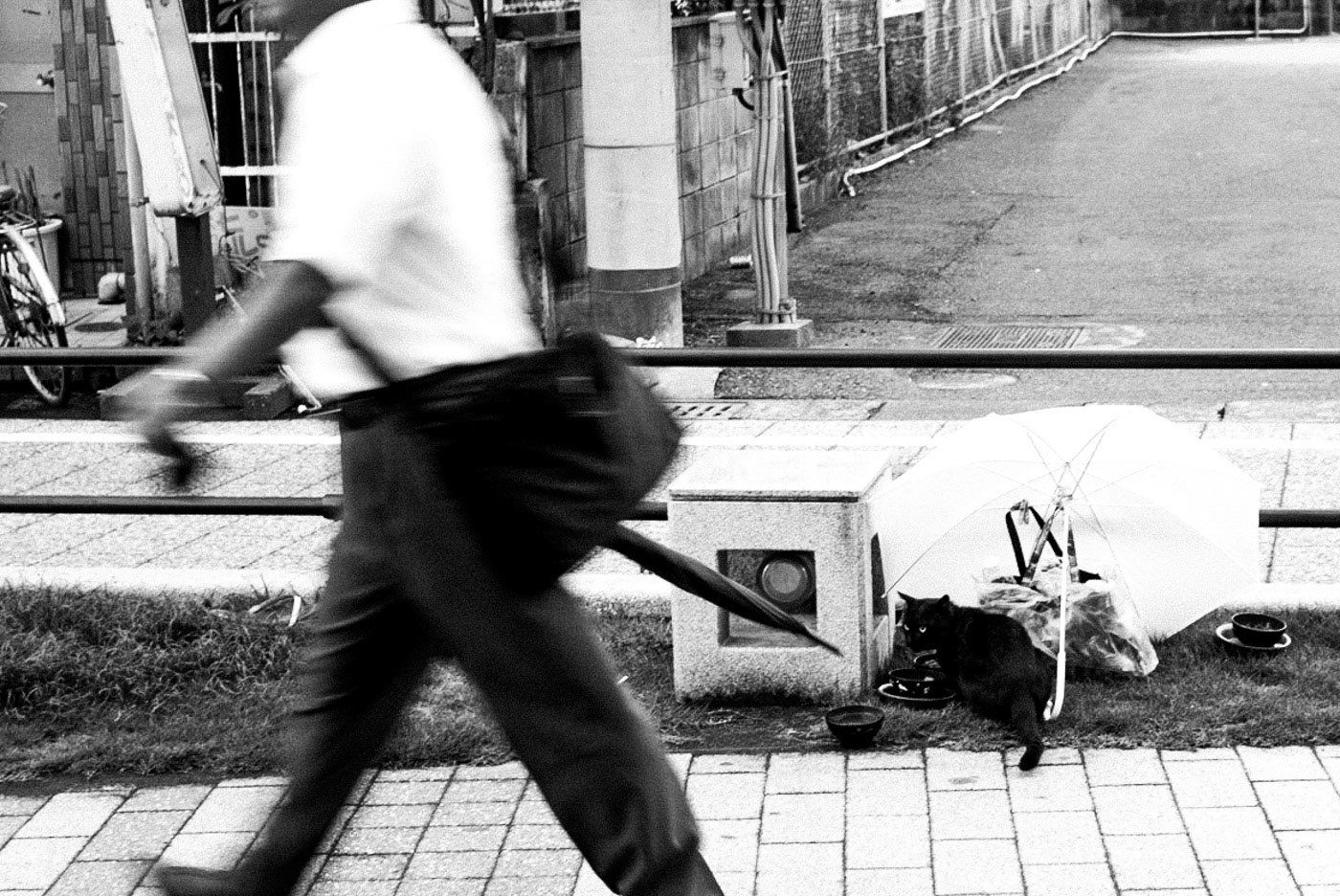
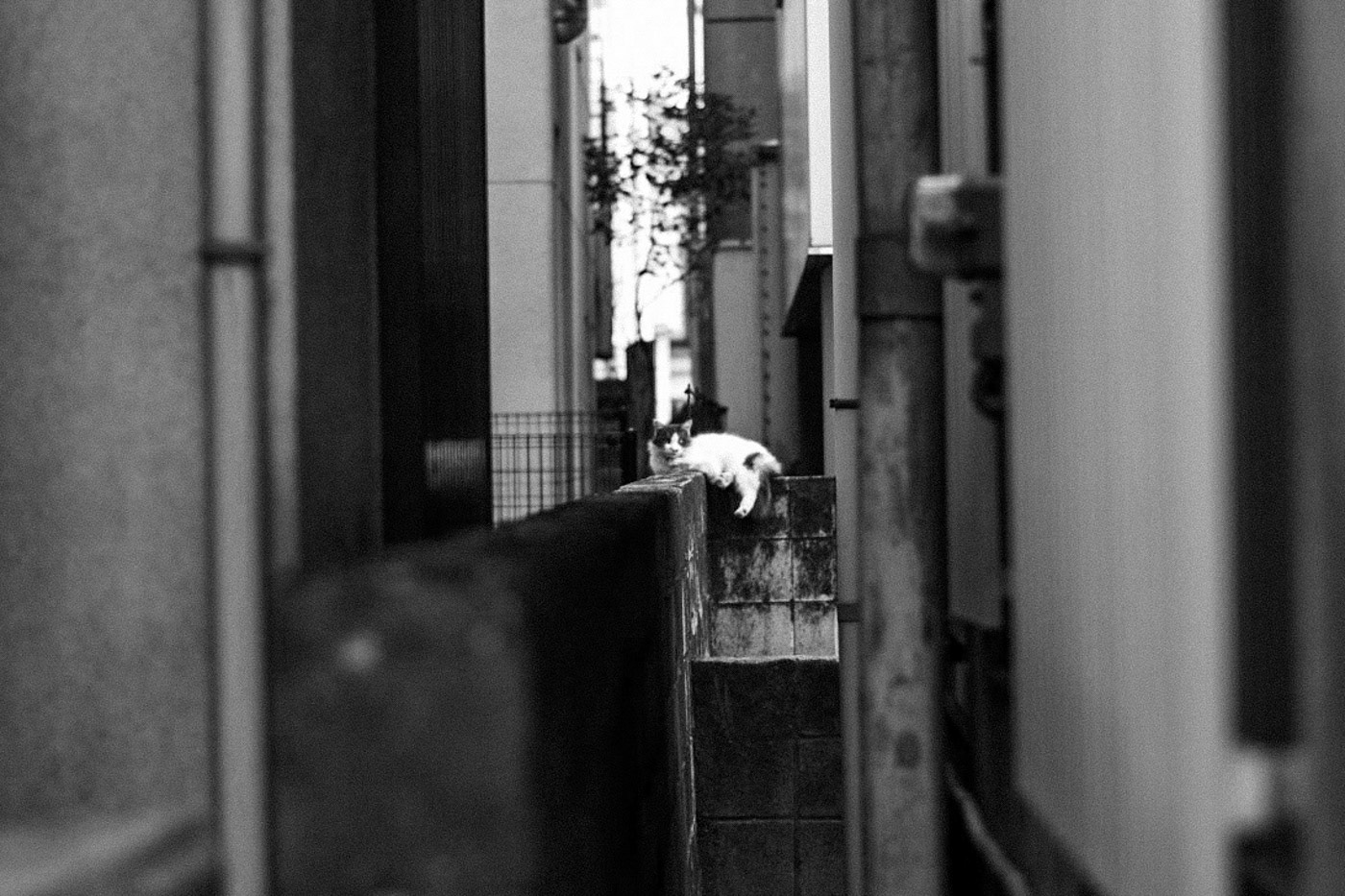
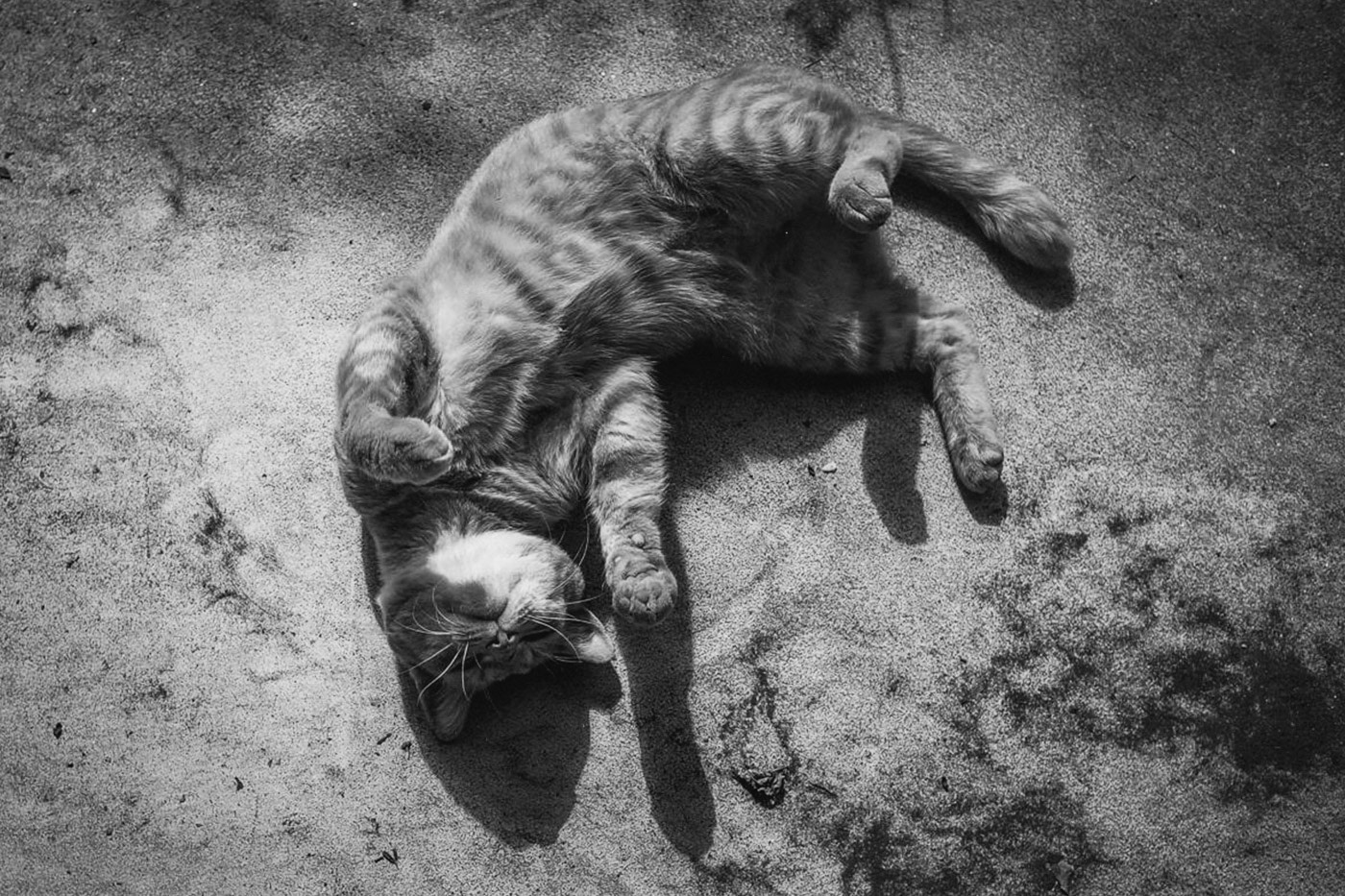
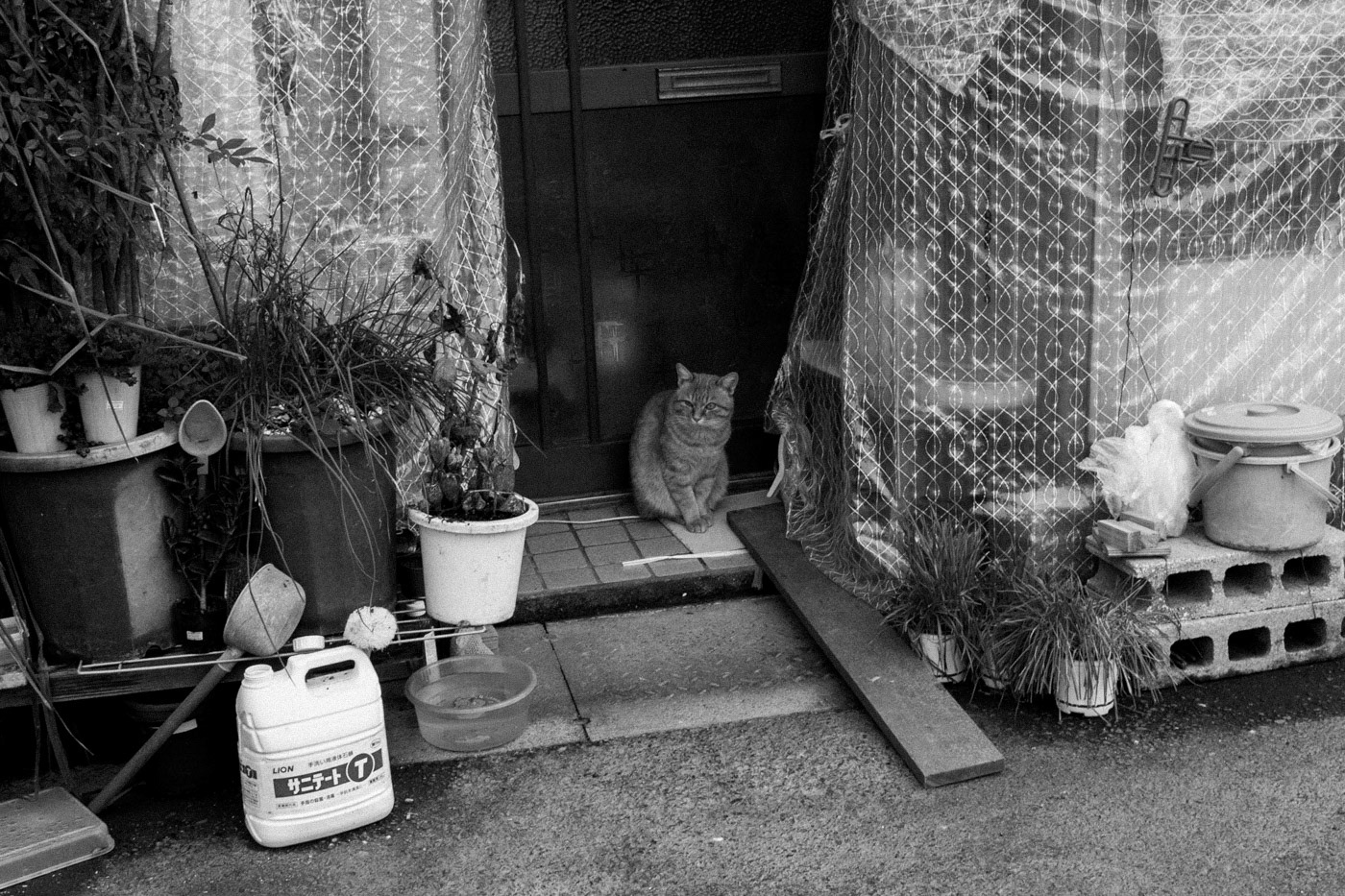
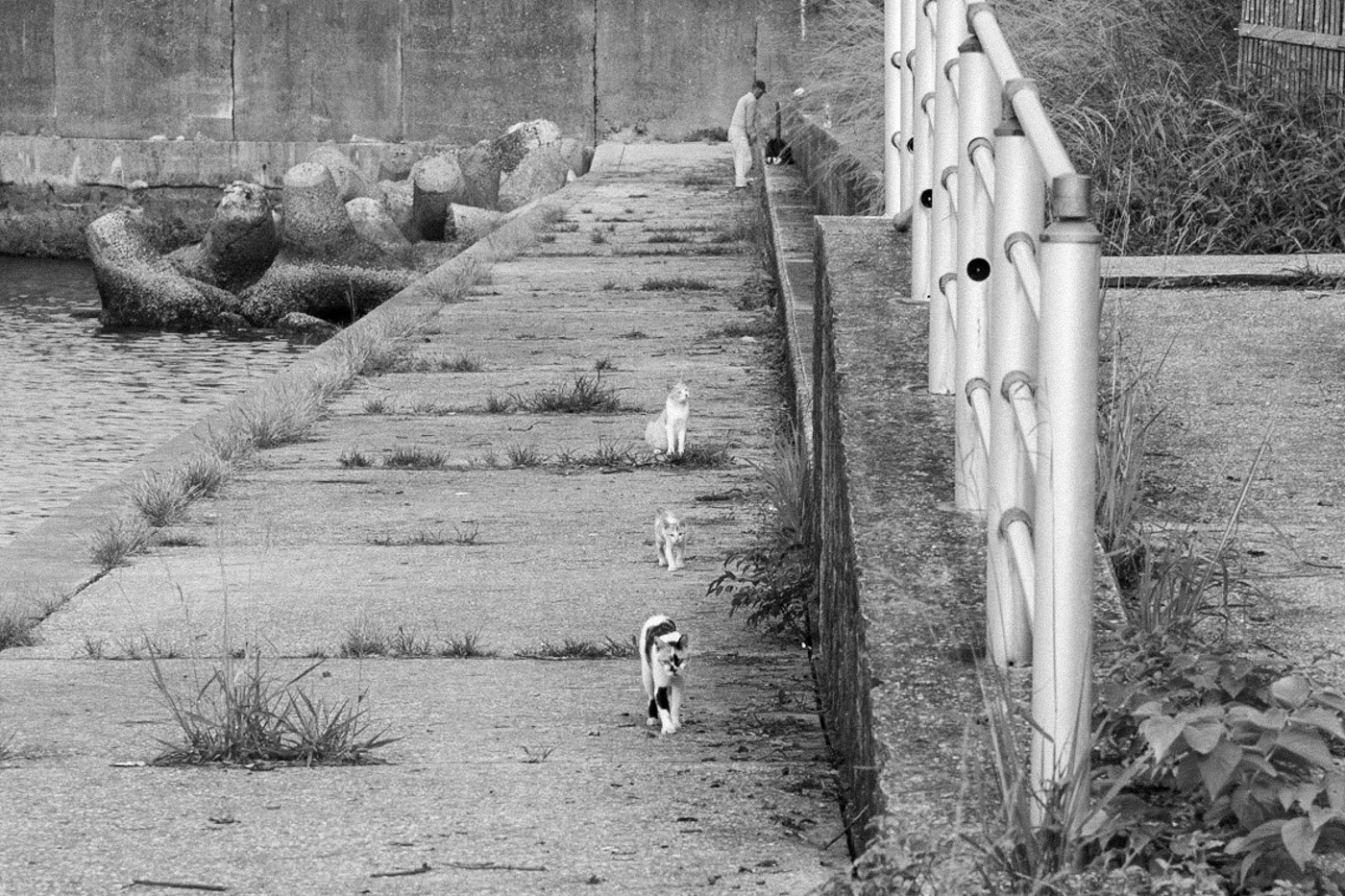
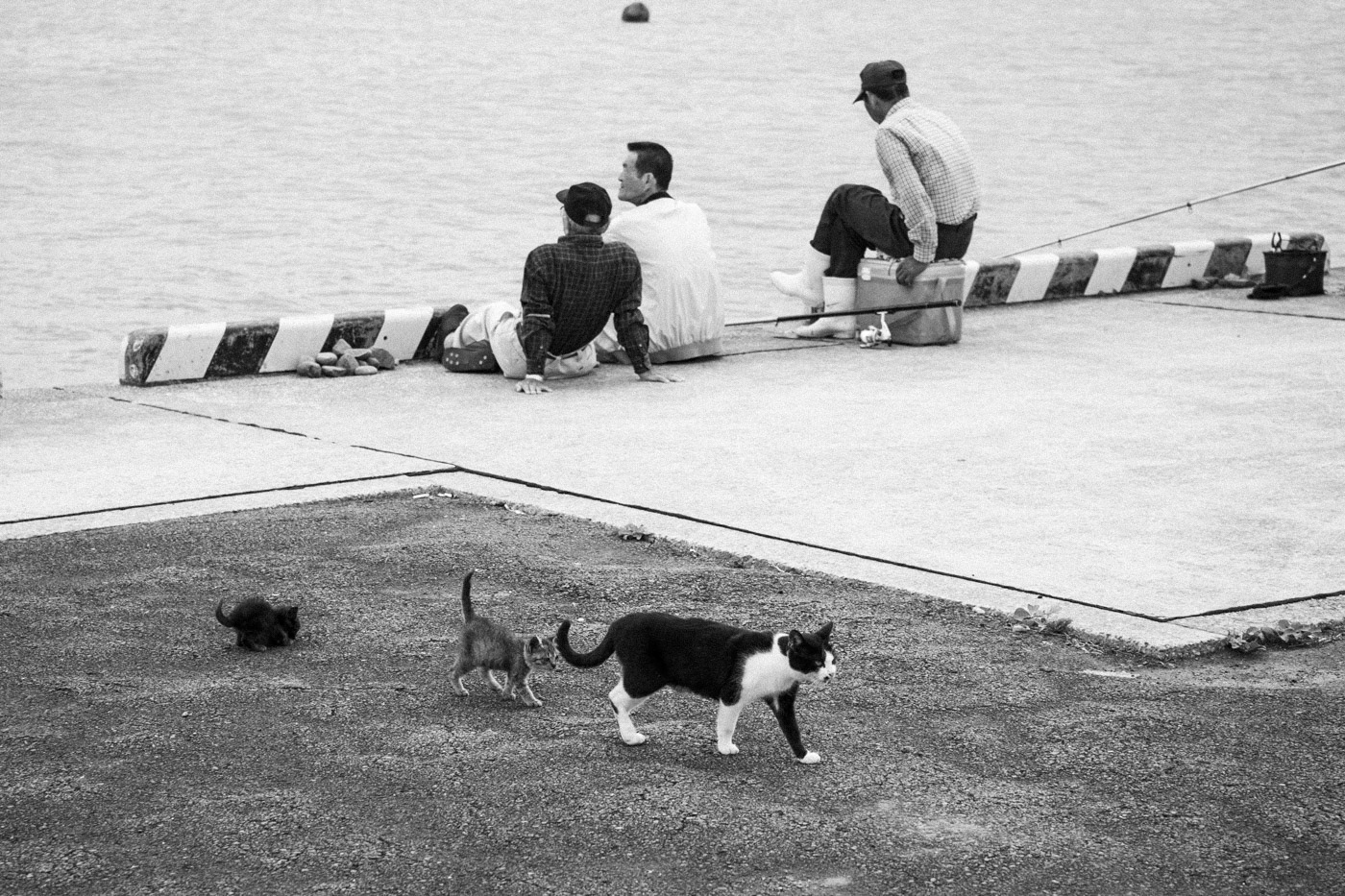
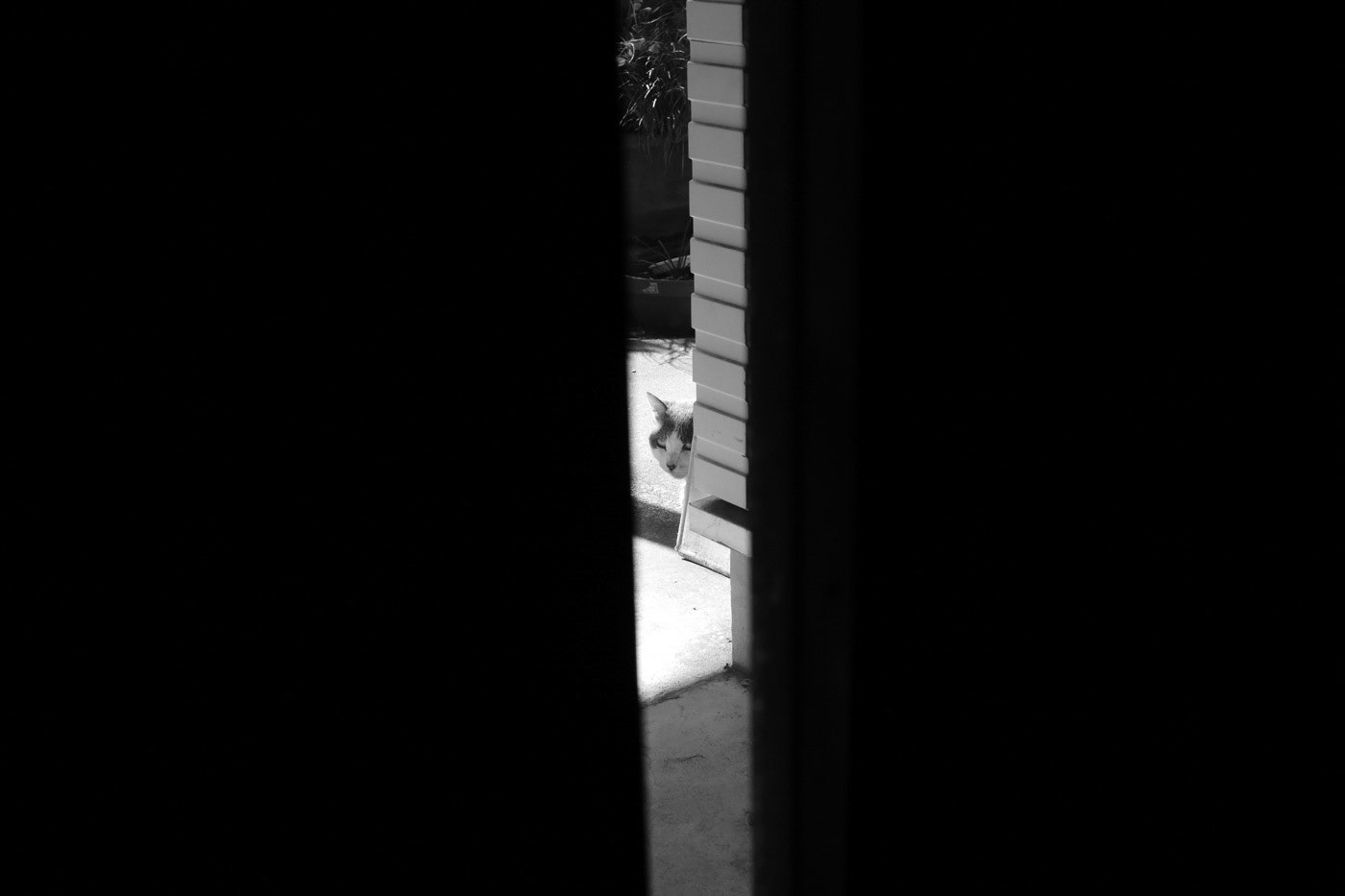
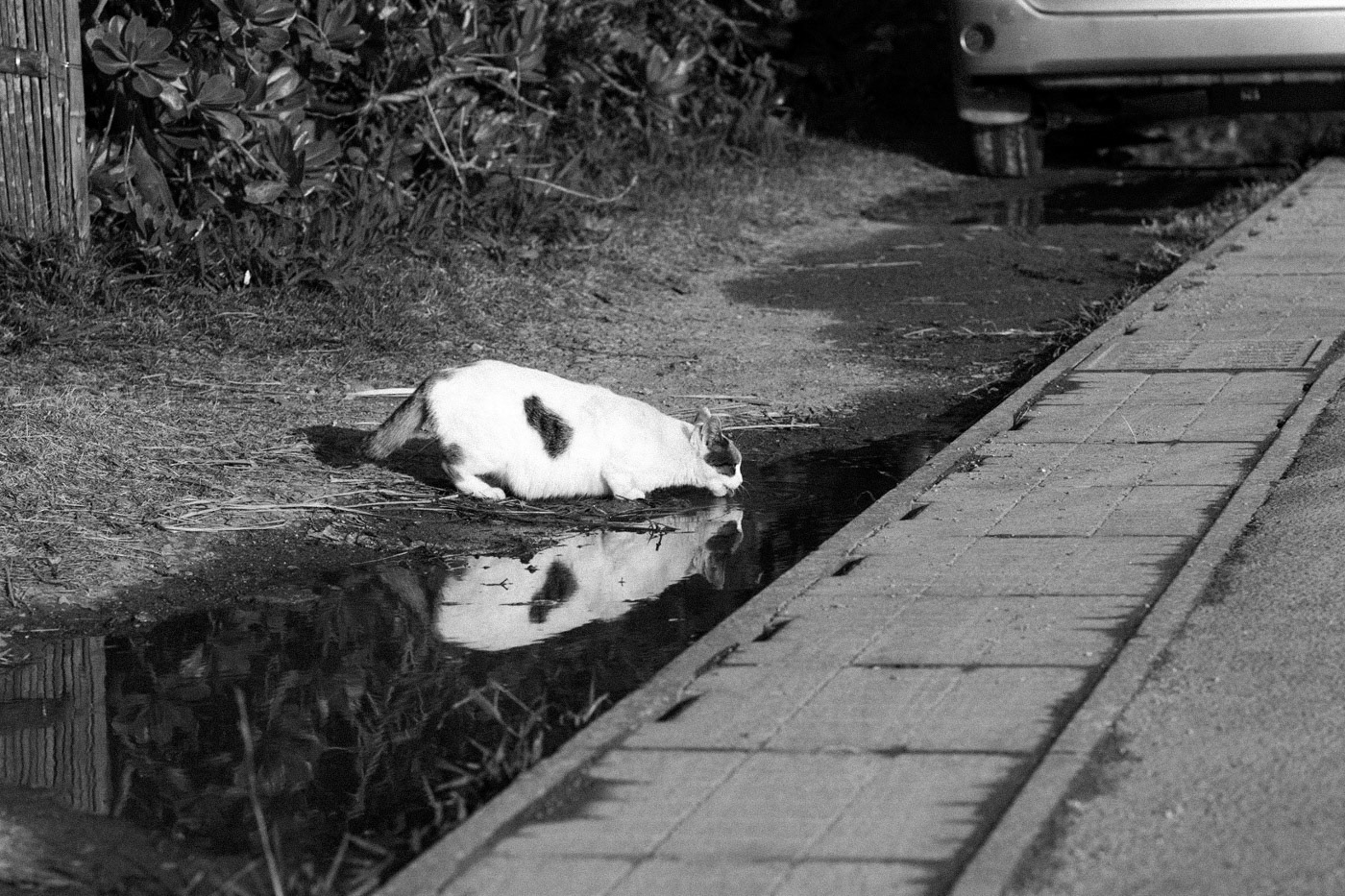
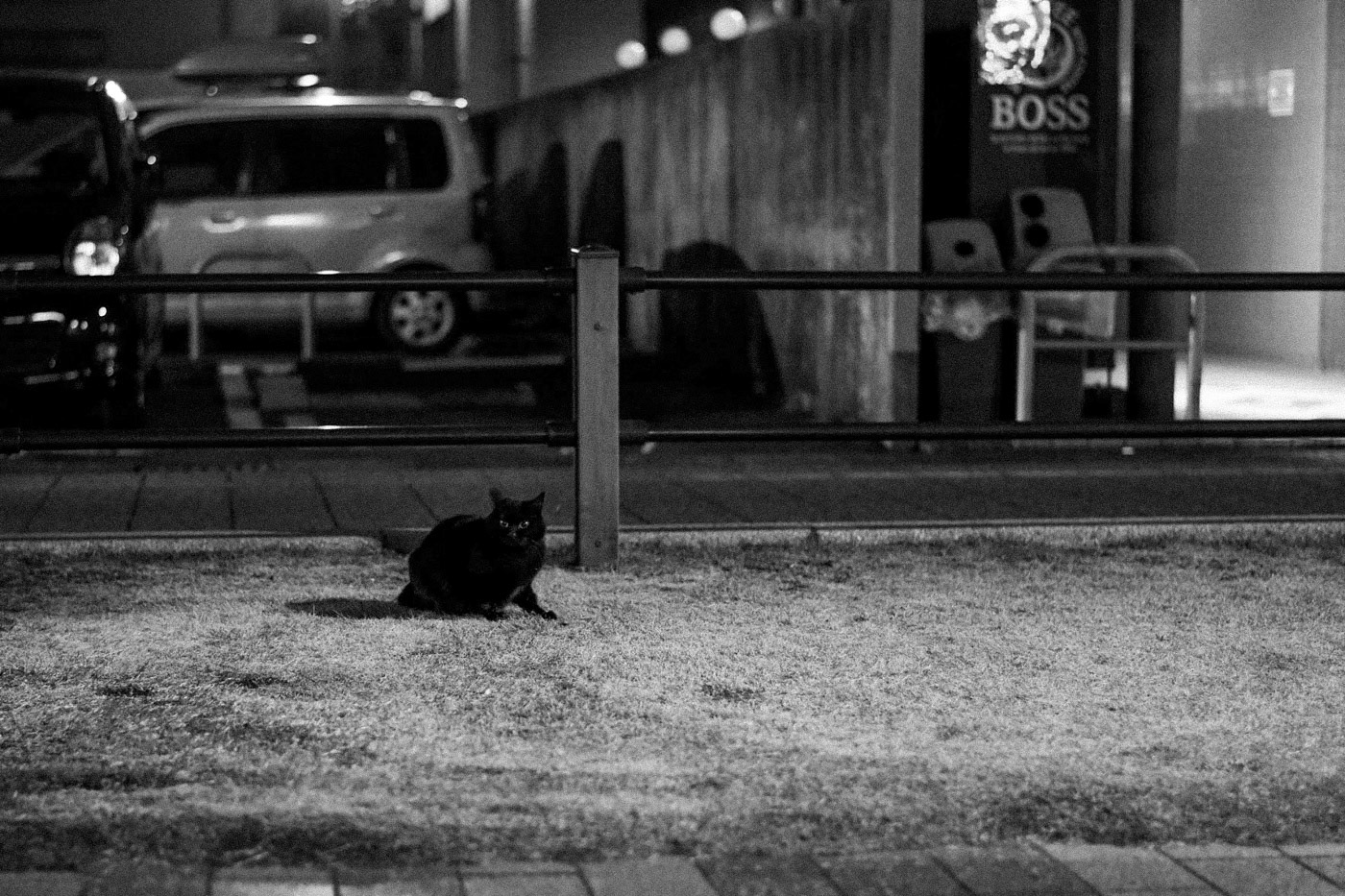
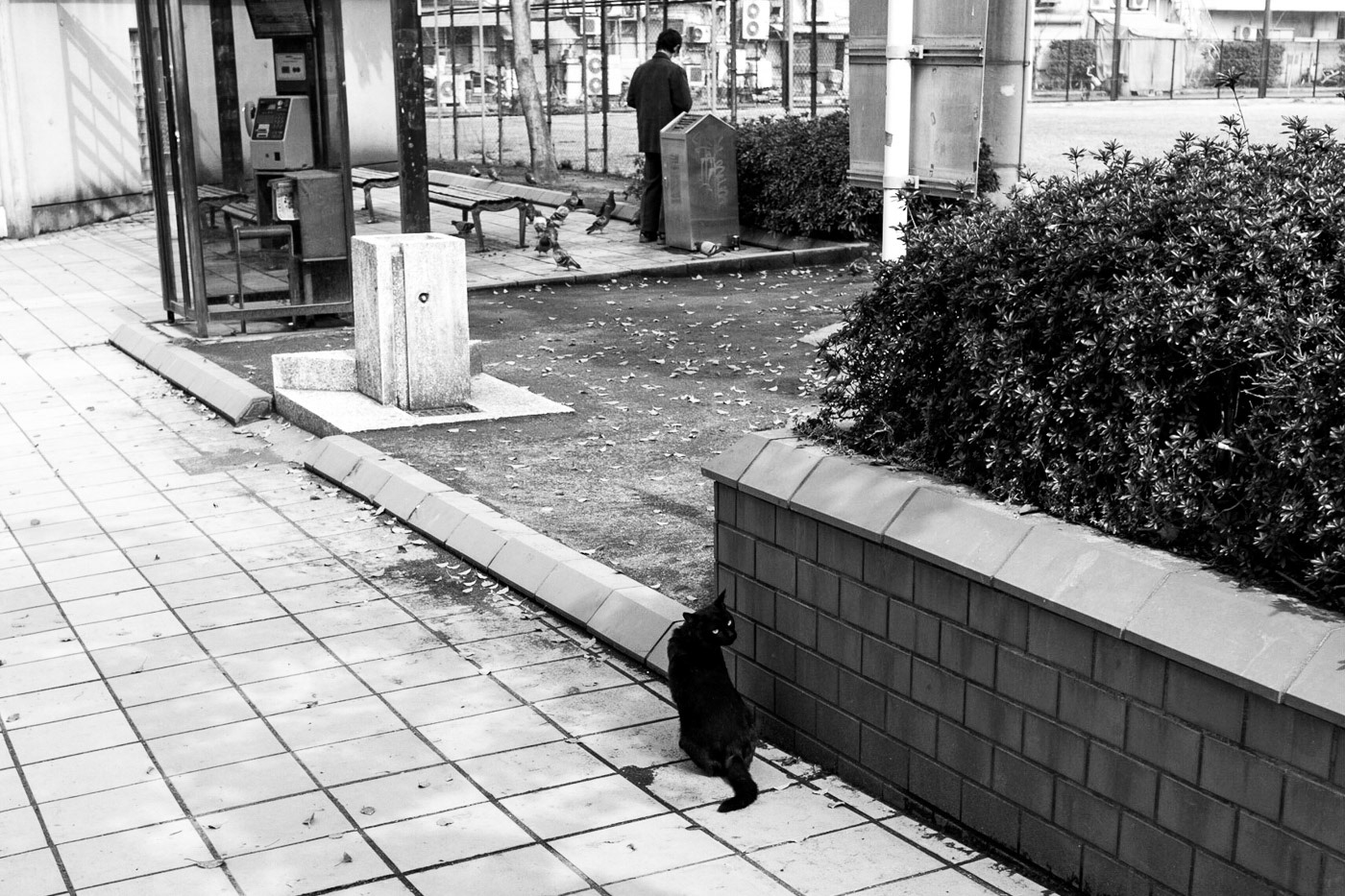
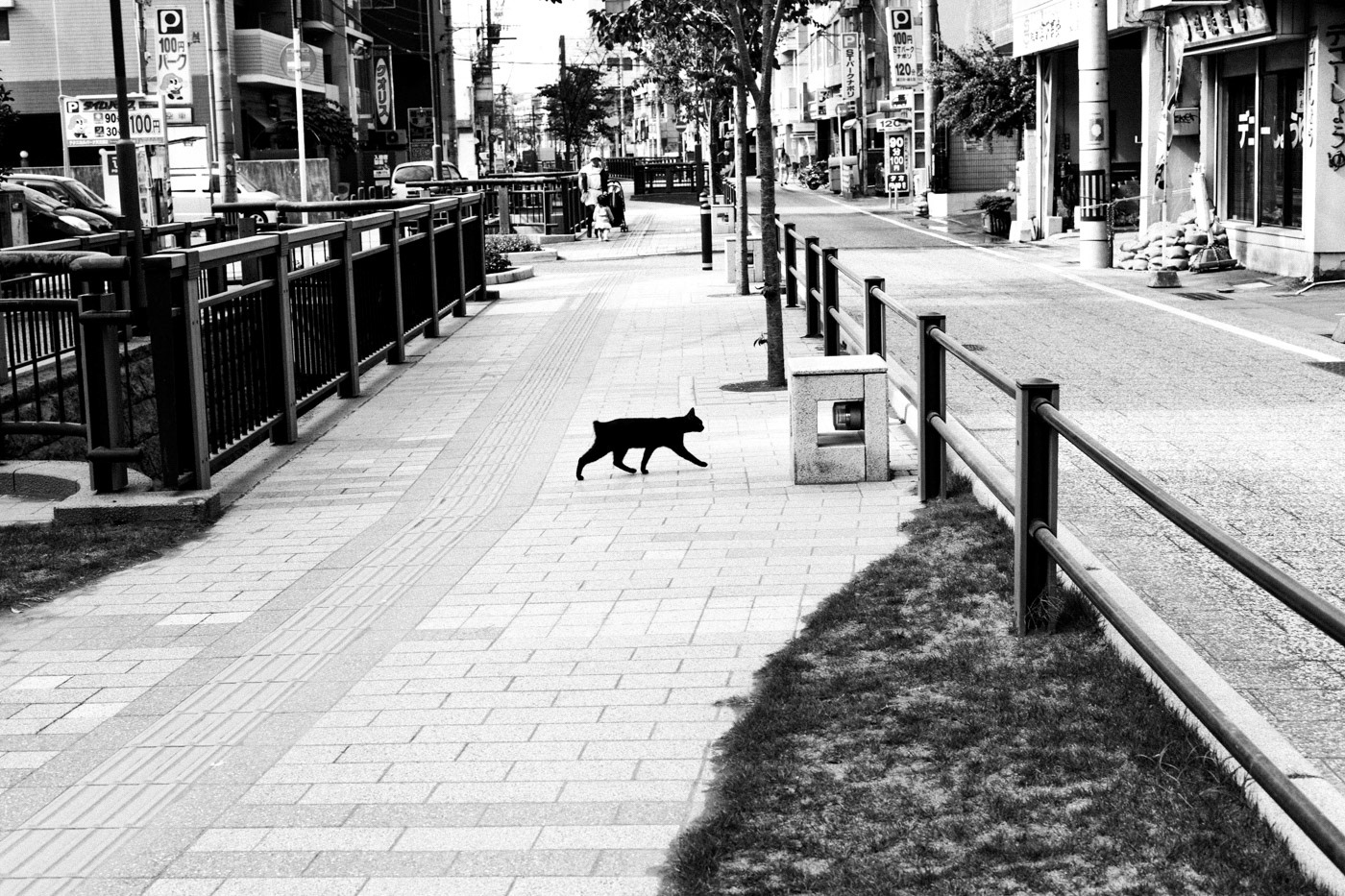
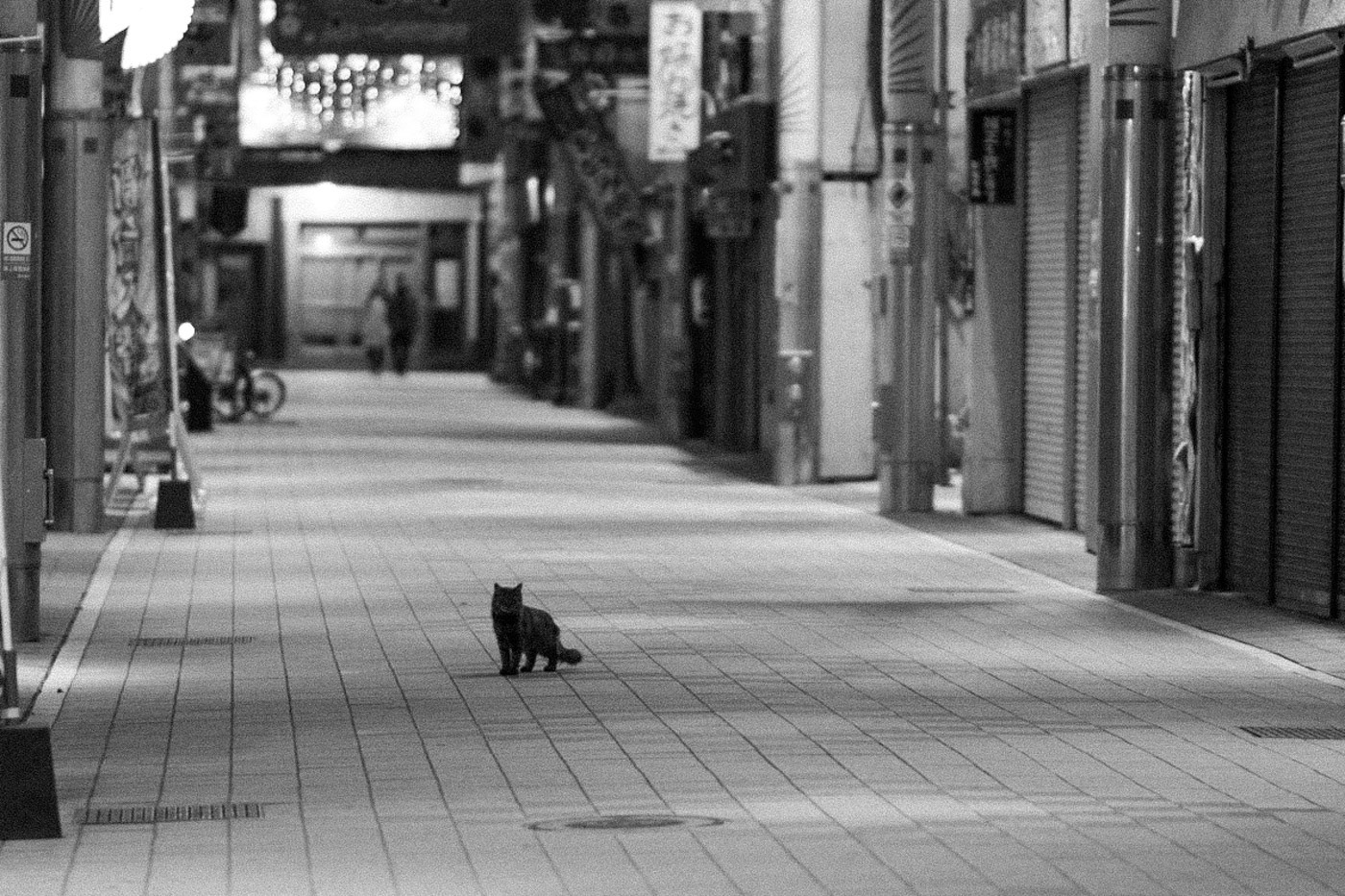
Cats that were once called strays are now given names like "community cats," "town cats," or "cherry cats" (sakura-neko), thanks to the spread of TNR activities (Trap-Neuter-Return) by volunteer groups and local governments. They are now controlled near-perfectly by human hands. With the number of kittens born outdoors suppressed, it is only natural that stray cats are decreasing. As a result, cats watched over by the community as a "one-generation-only life" have become a fixture. Still, I suppose that must be a happy thing for the cats... or so I tell myself.
But, I think. Whatever they are called—community cats, town cats, cherry cats—it matters absolutely nothing to the cats themselves. Captured, operated on, returned, and then given a new name. To humans, this is a symbol of "rescue" or "coexistence," but from the cats' perspective, they have been stripped of their biological instinct to reproduce, yet are still forced to continue their harsh lives on the streets. Living in the town, living on the streets—nothing about that reality changes. No matter how much humans change the name to suit their own convenience, a stray is a stray.
No matter how much people make a fuss about protection, rescue, or coexistence, and no matter if the economic impact surpasses the World Expo or the market expands into various industries, it has nothing to do with the cats. The interest lies solely on the human side.
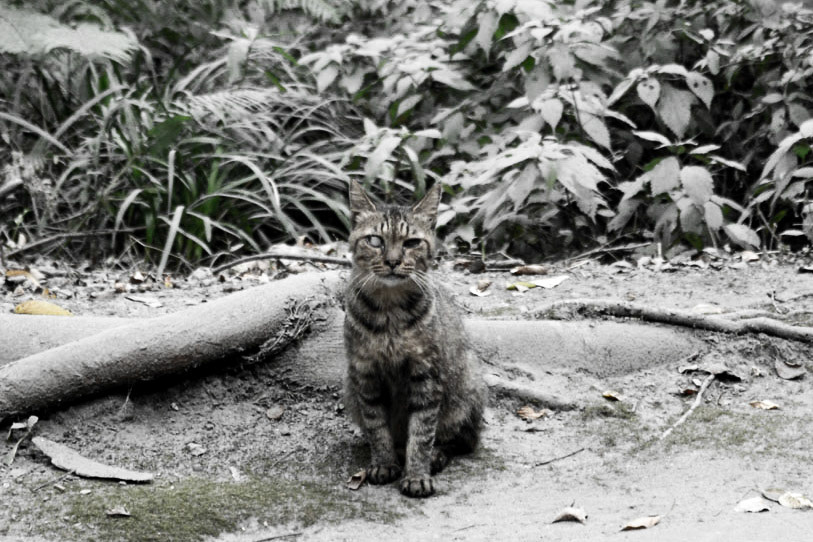
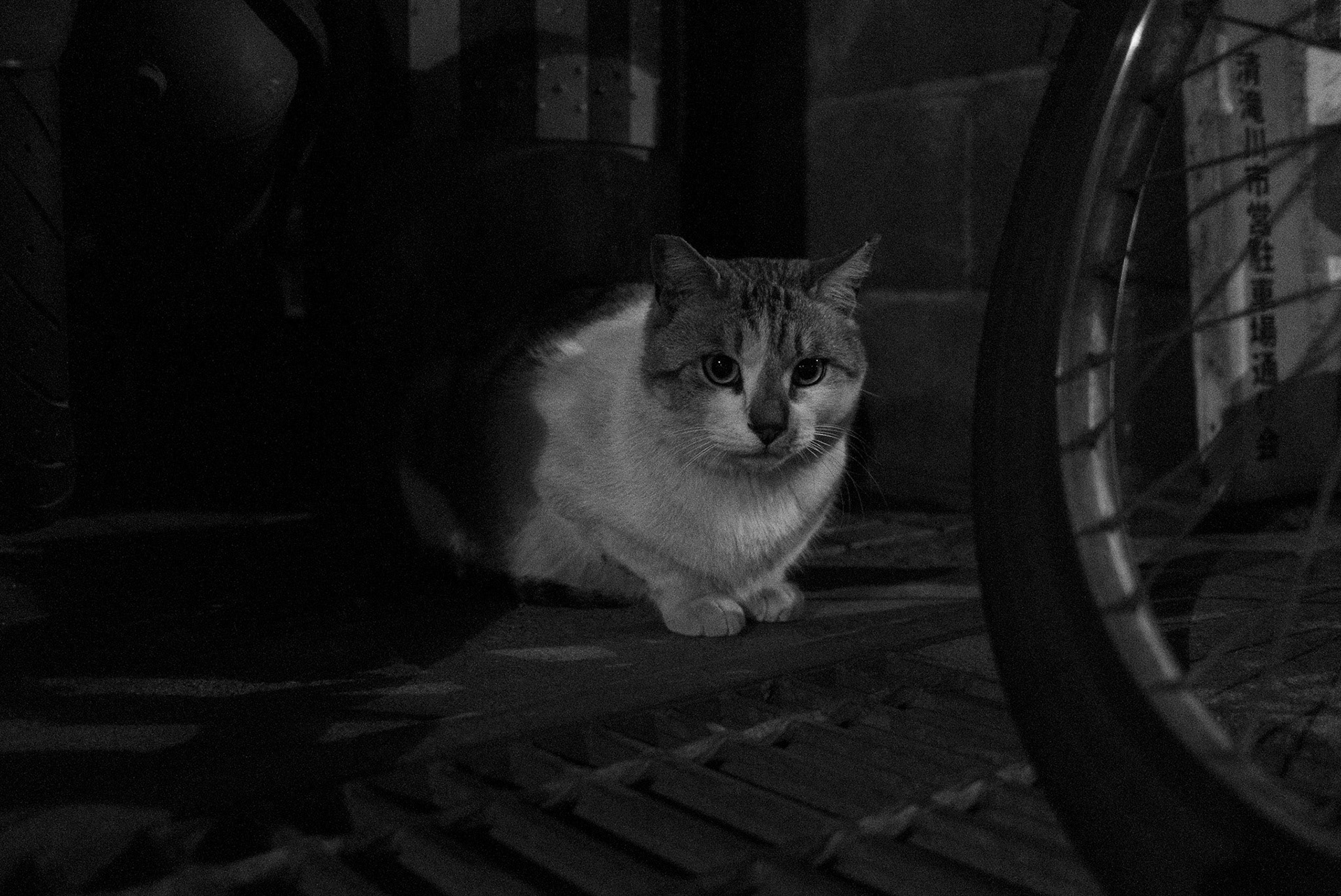
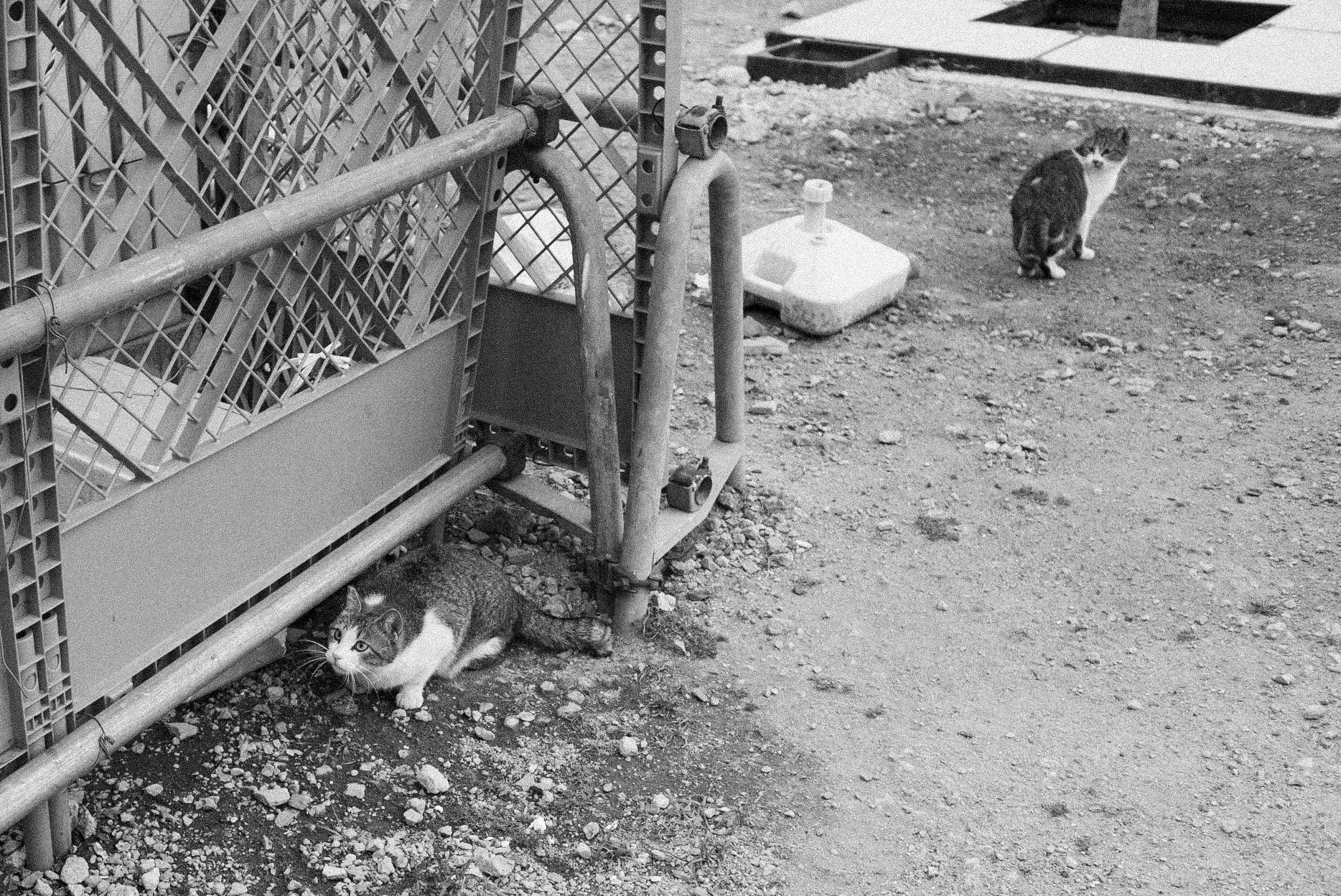
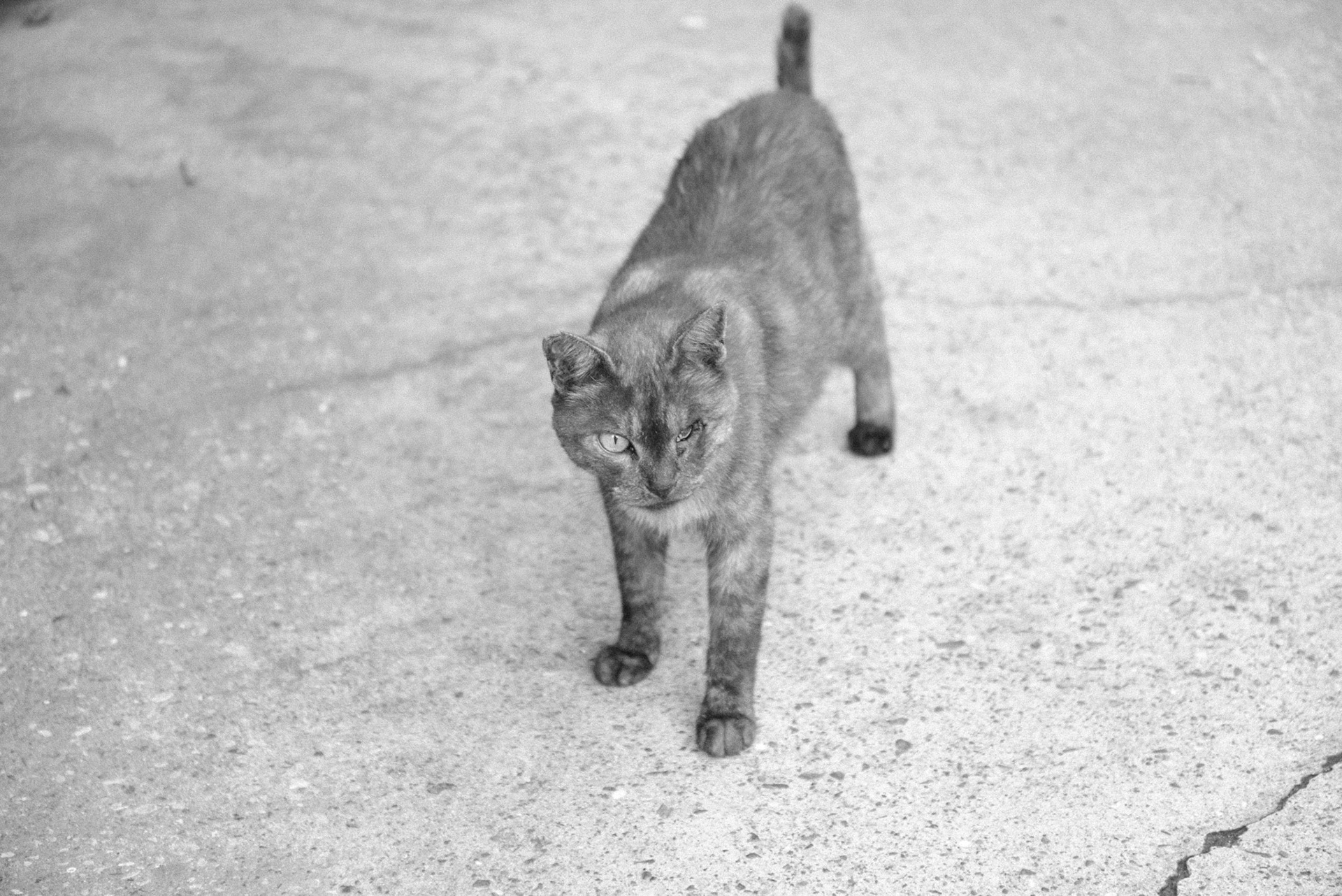
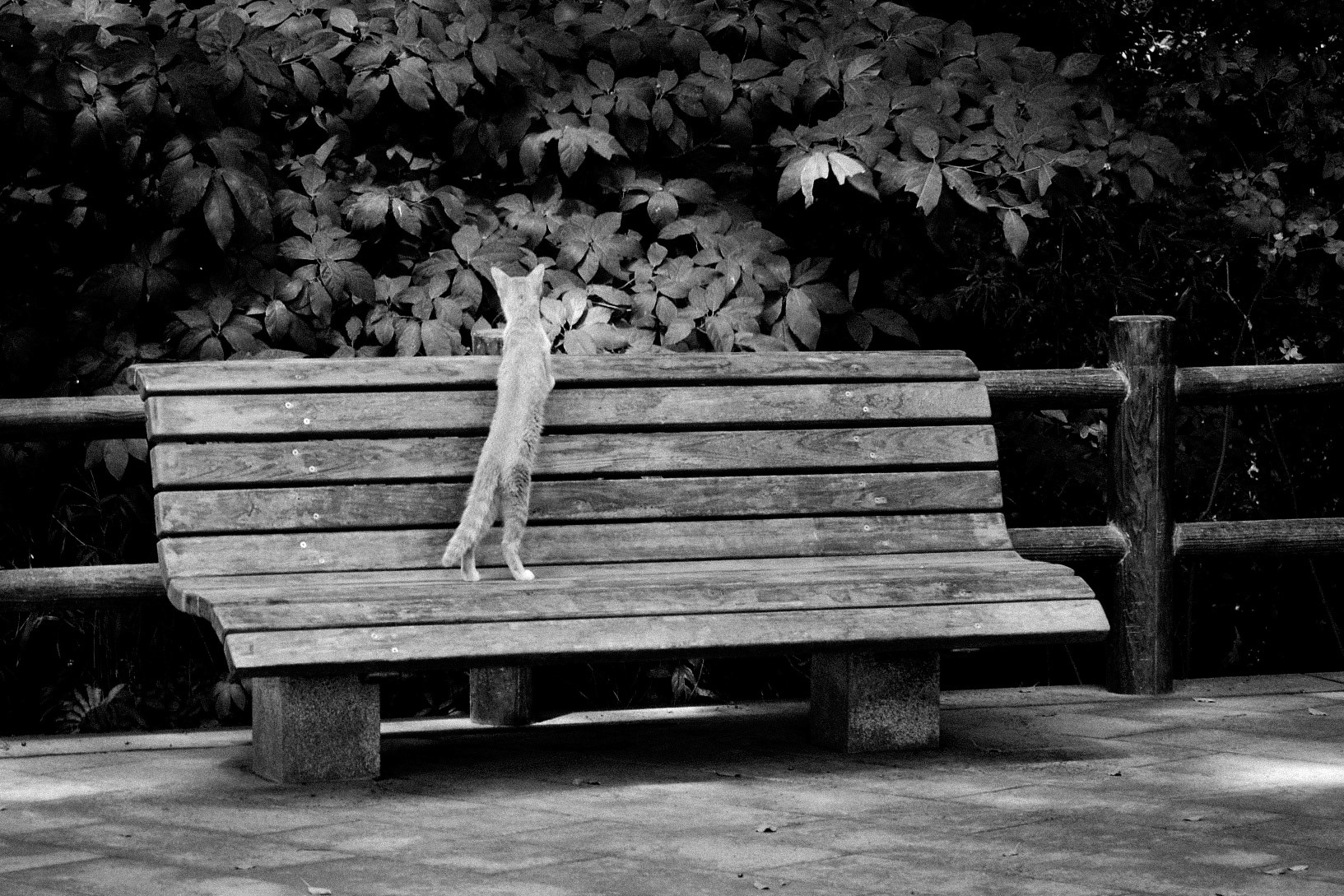
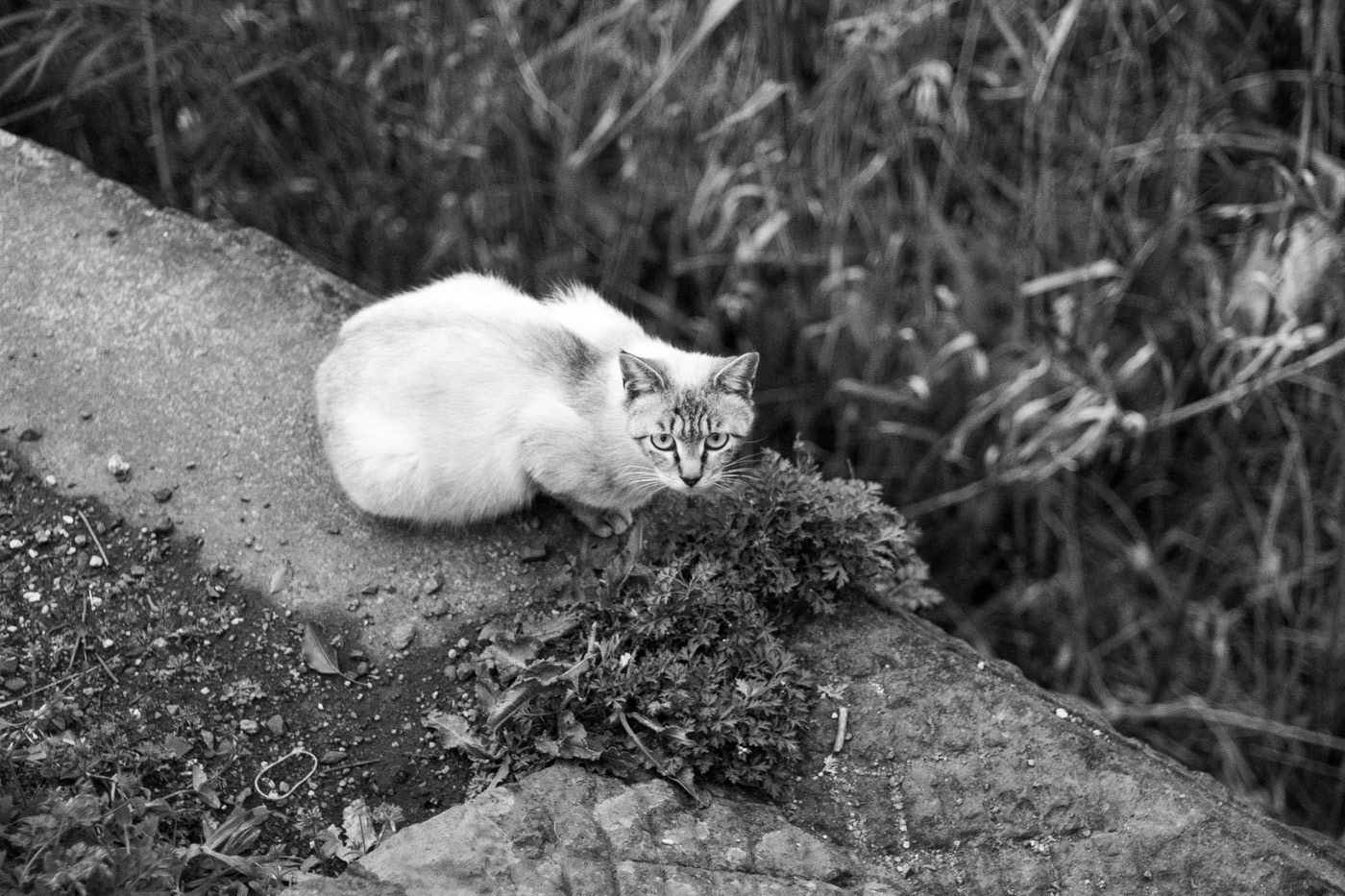
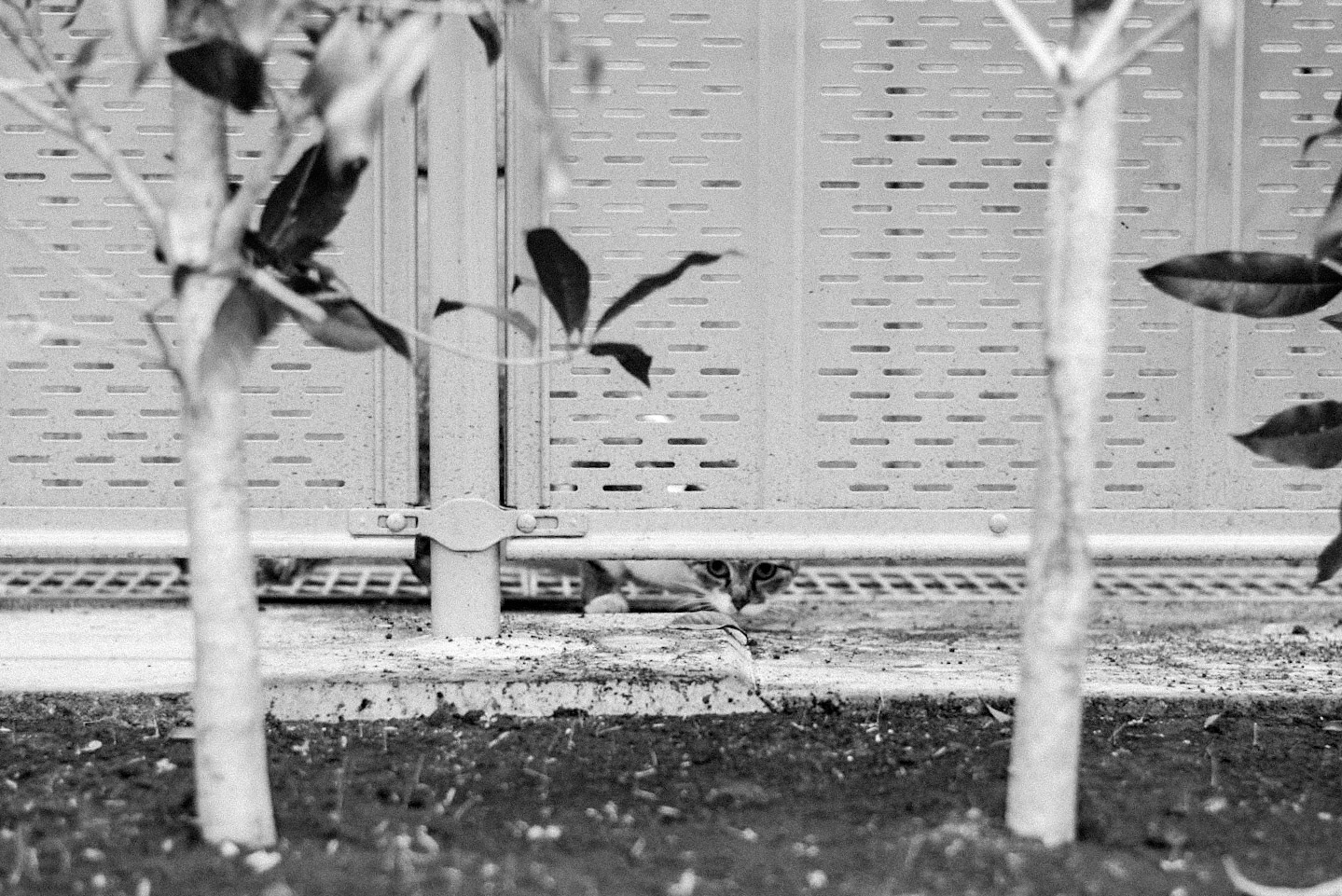
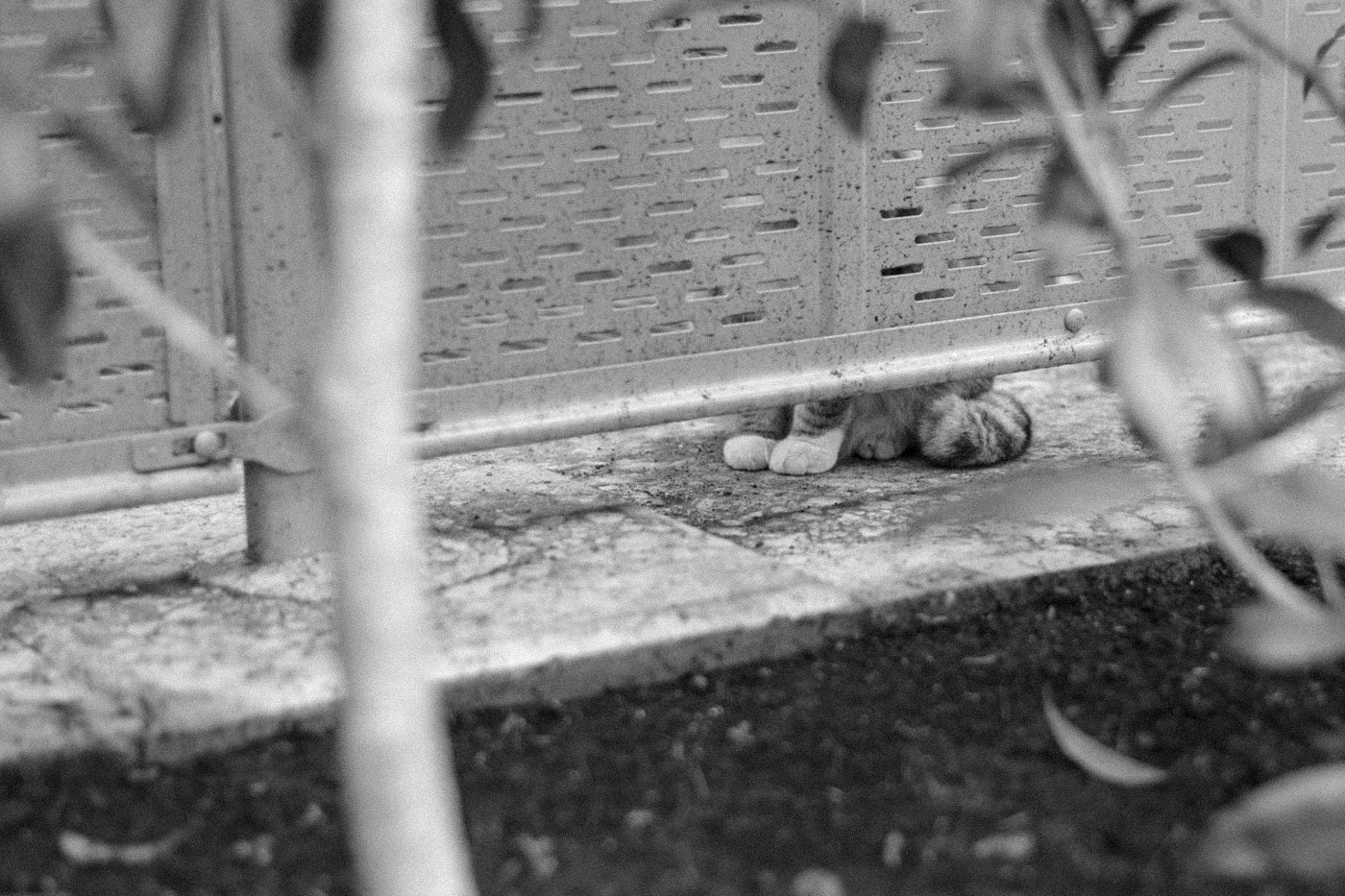
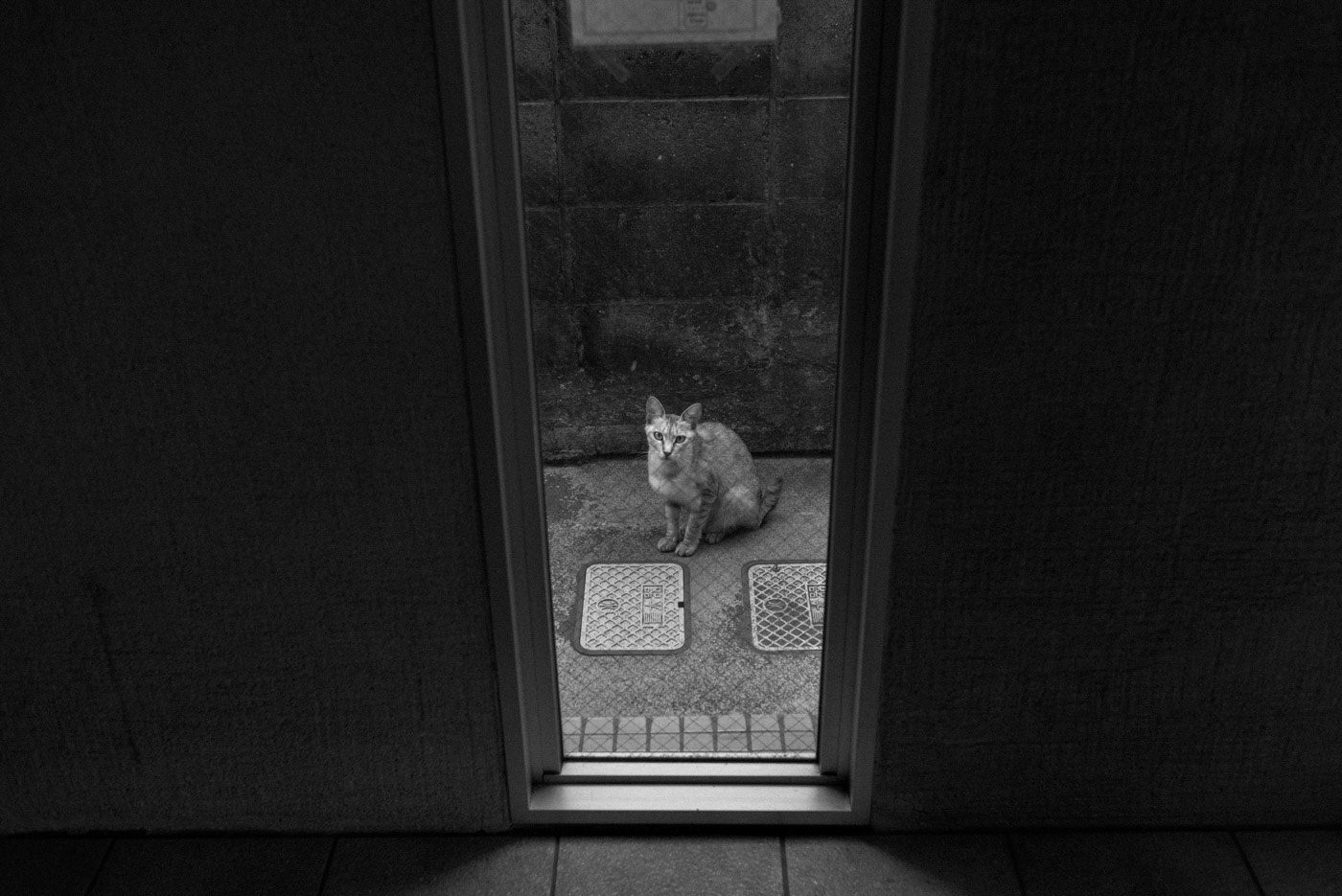
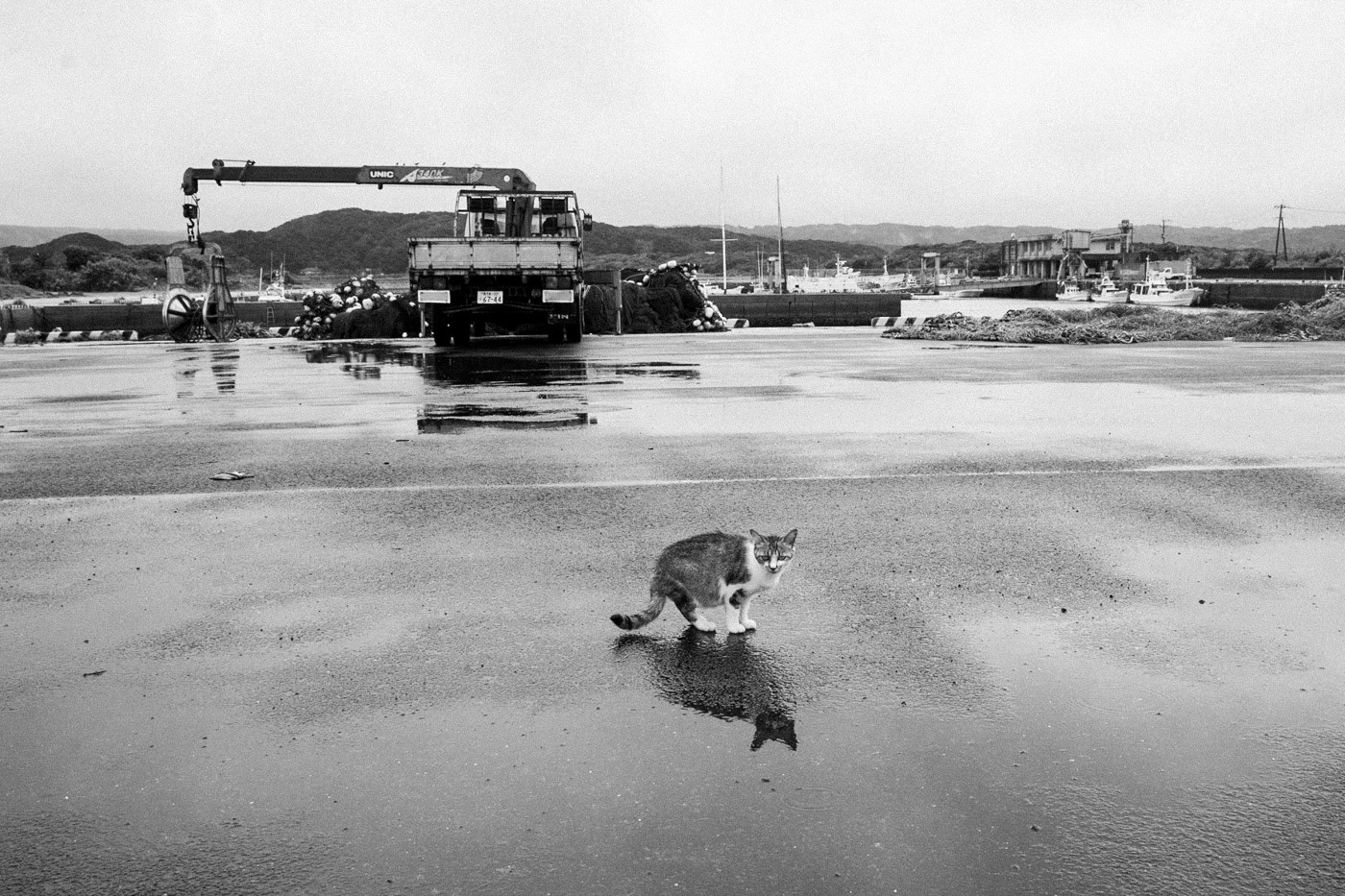
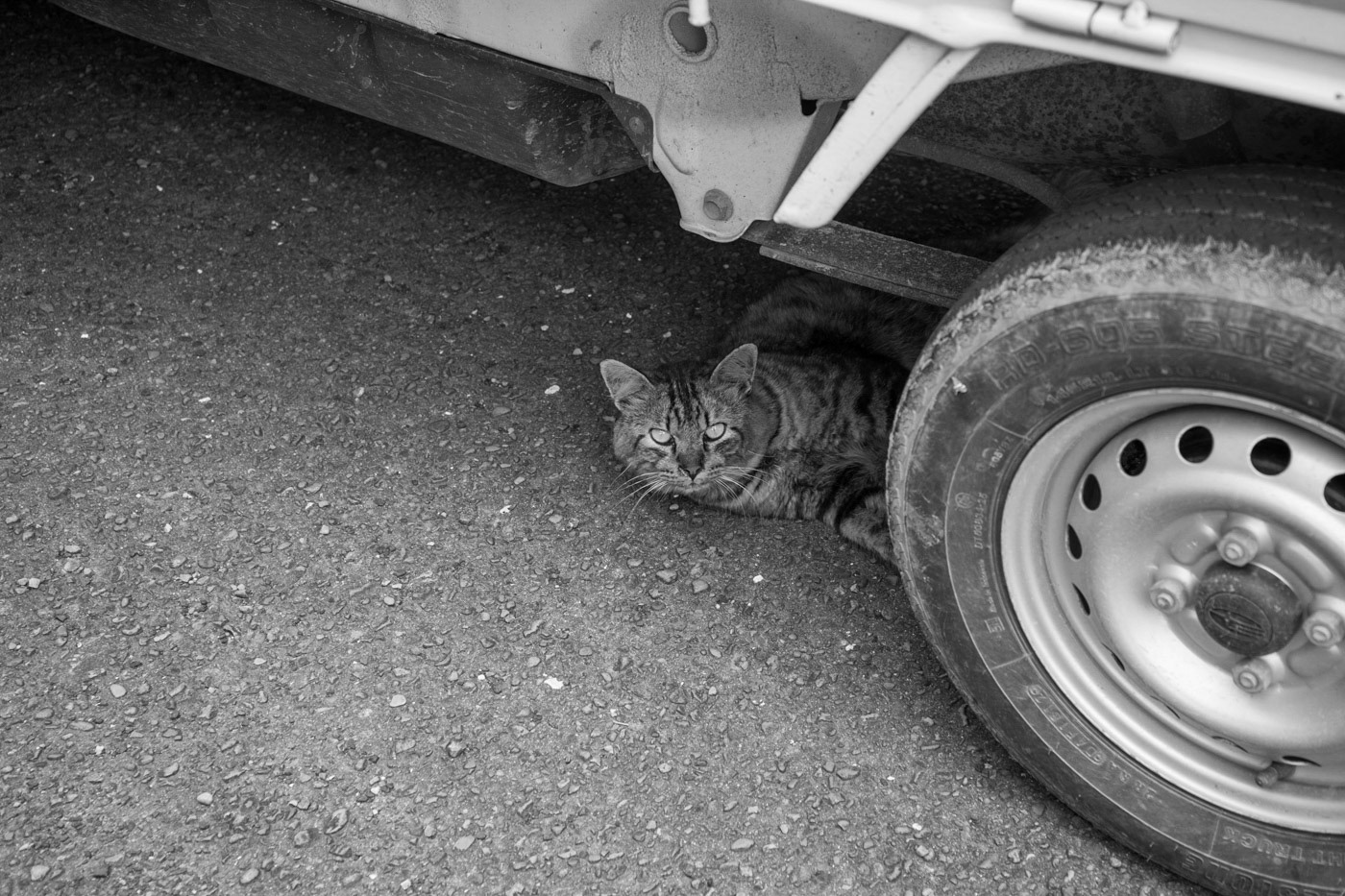
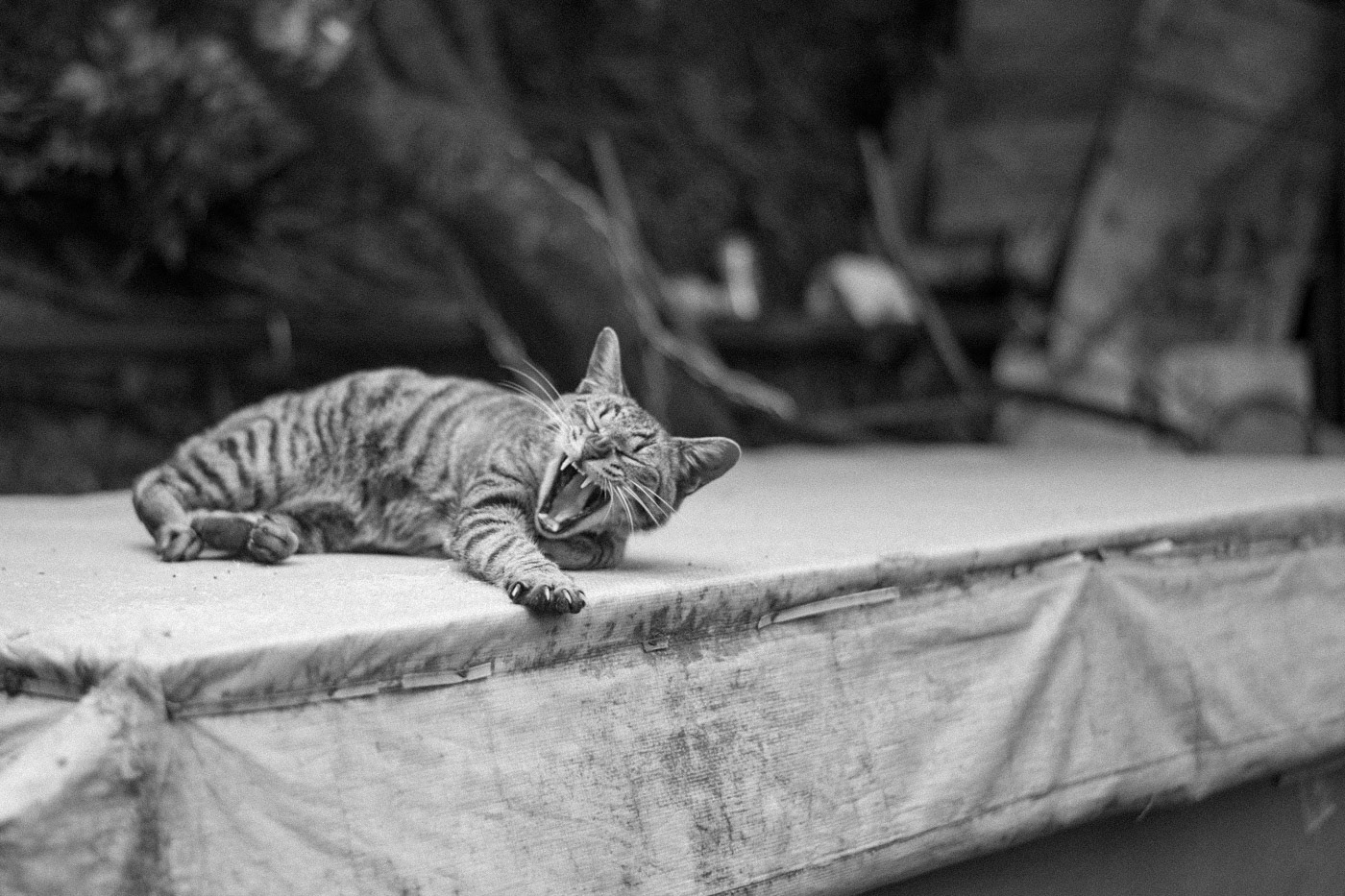
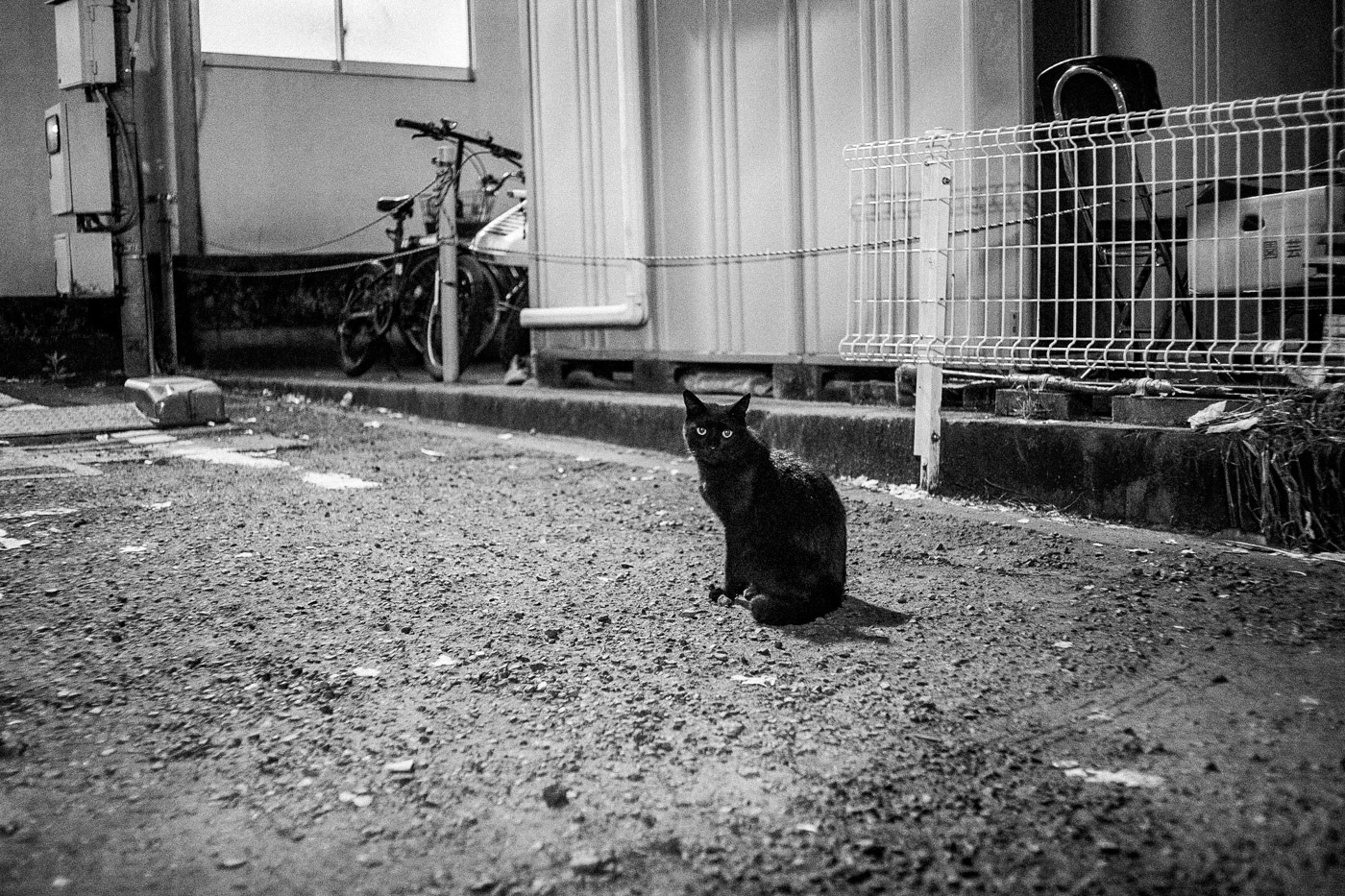
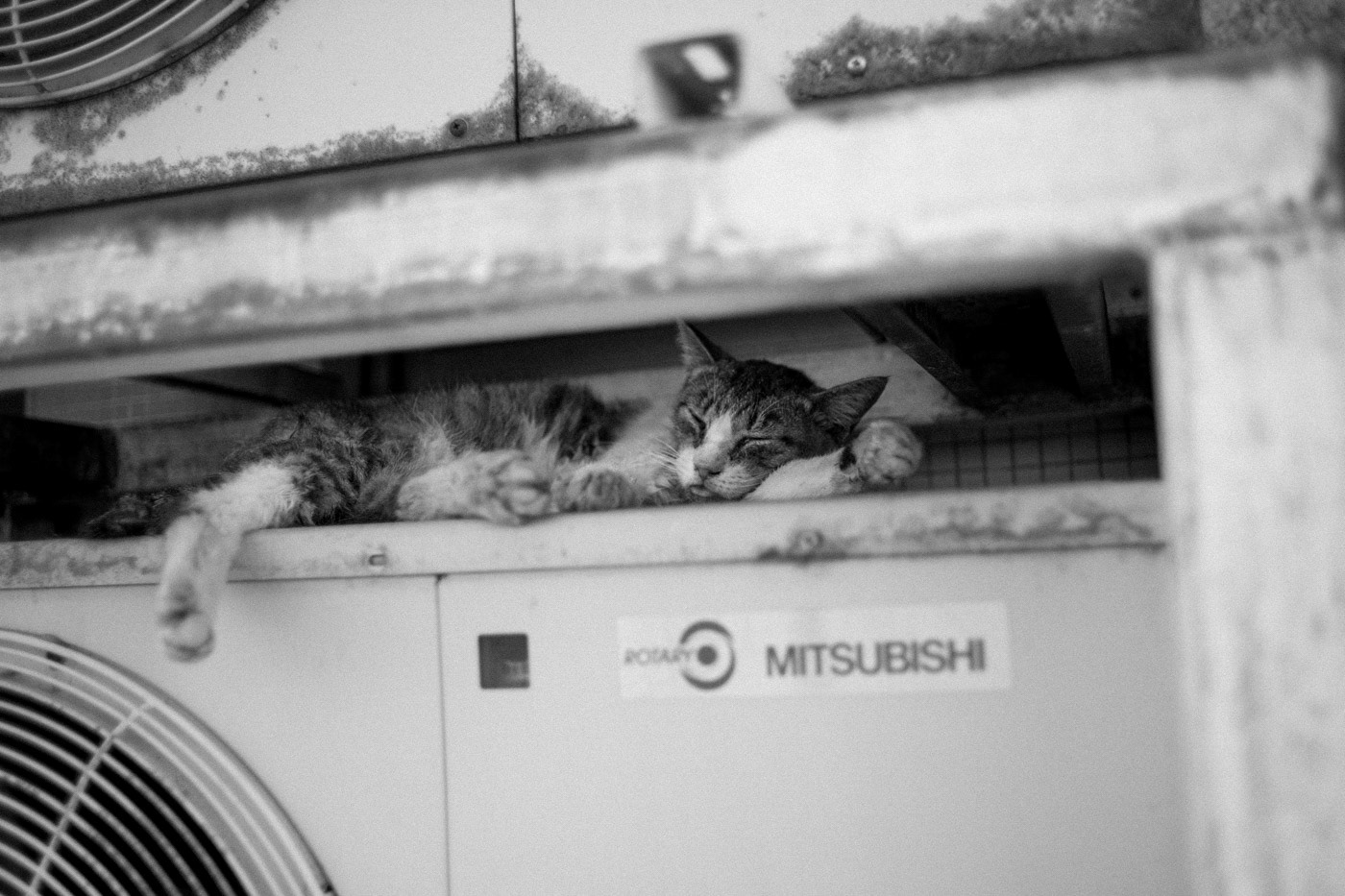
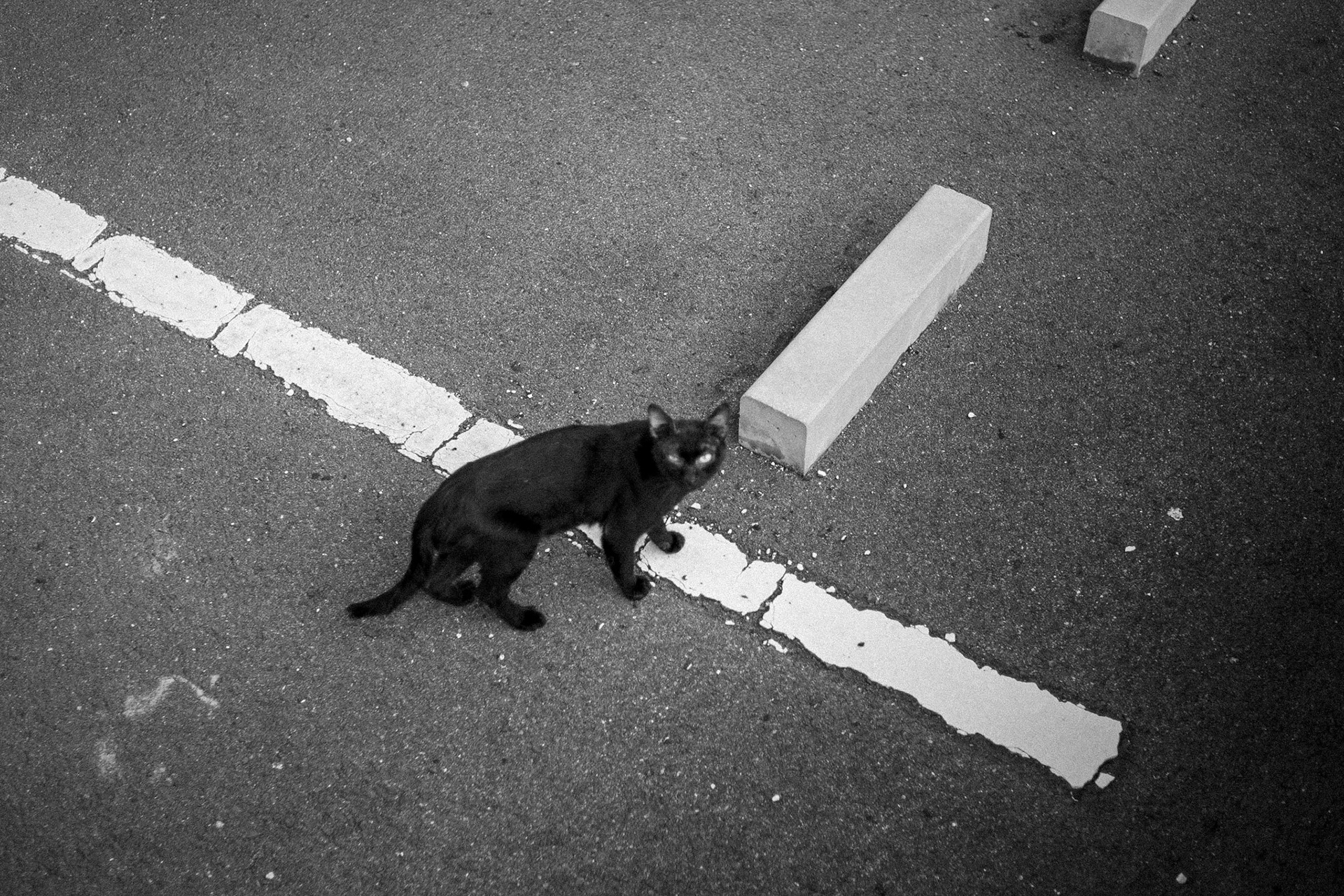
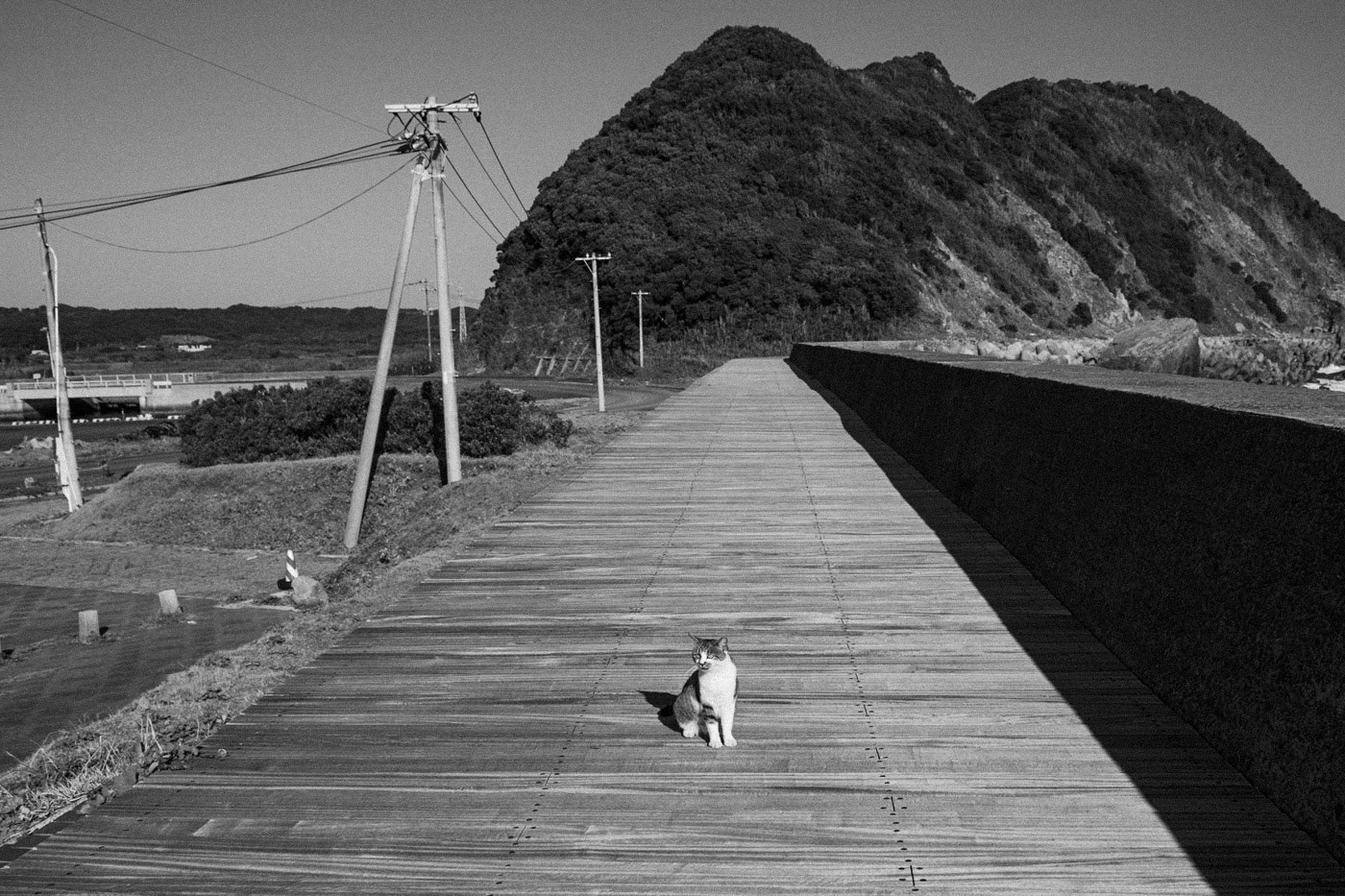
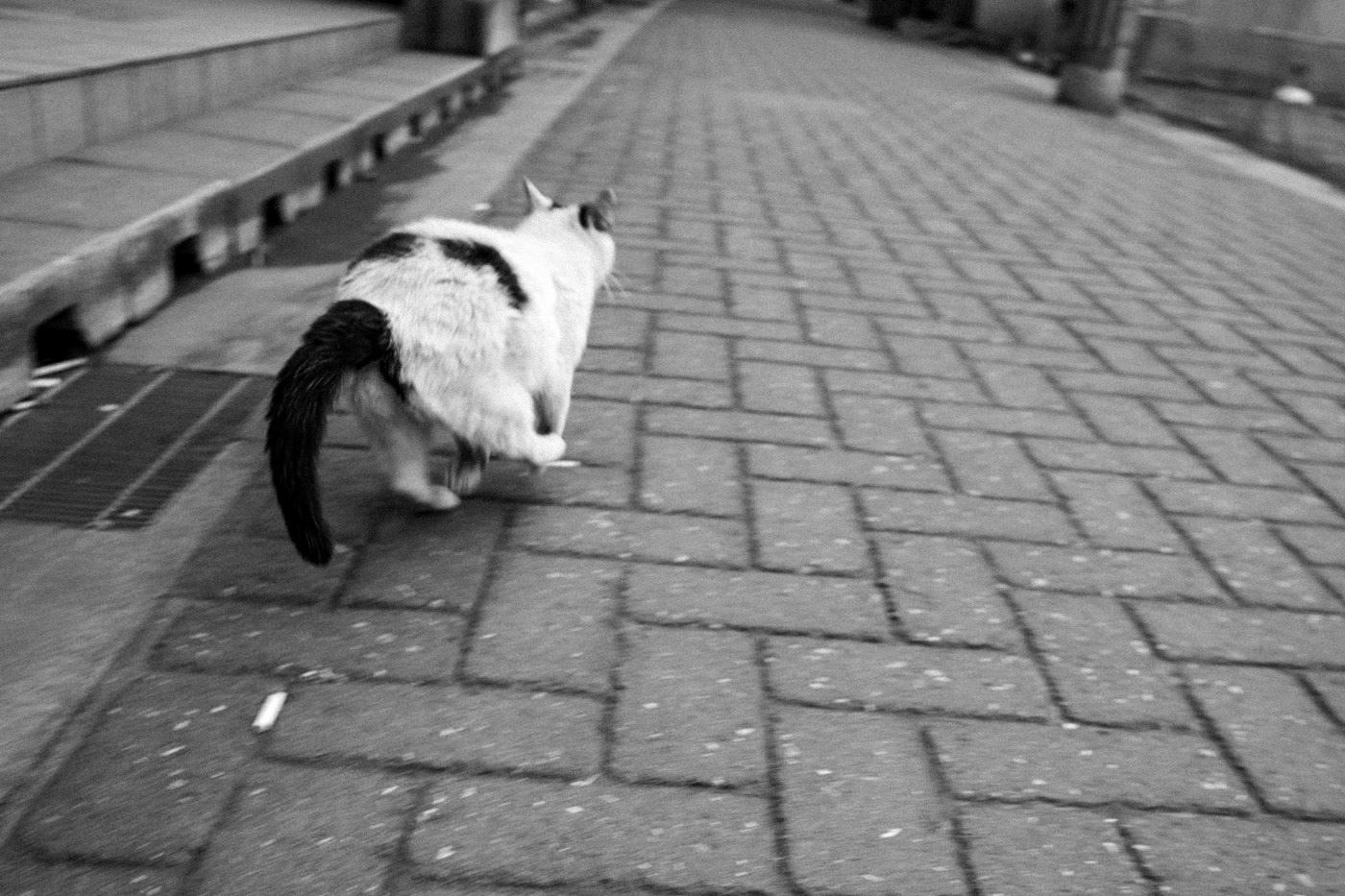
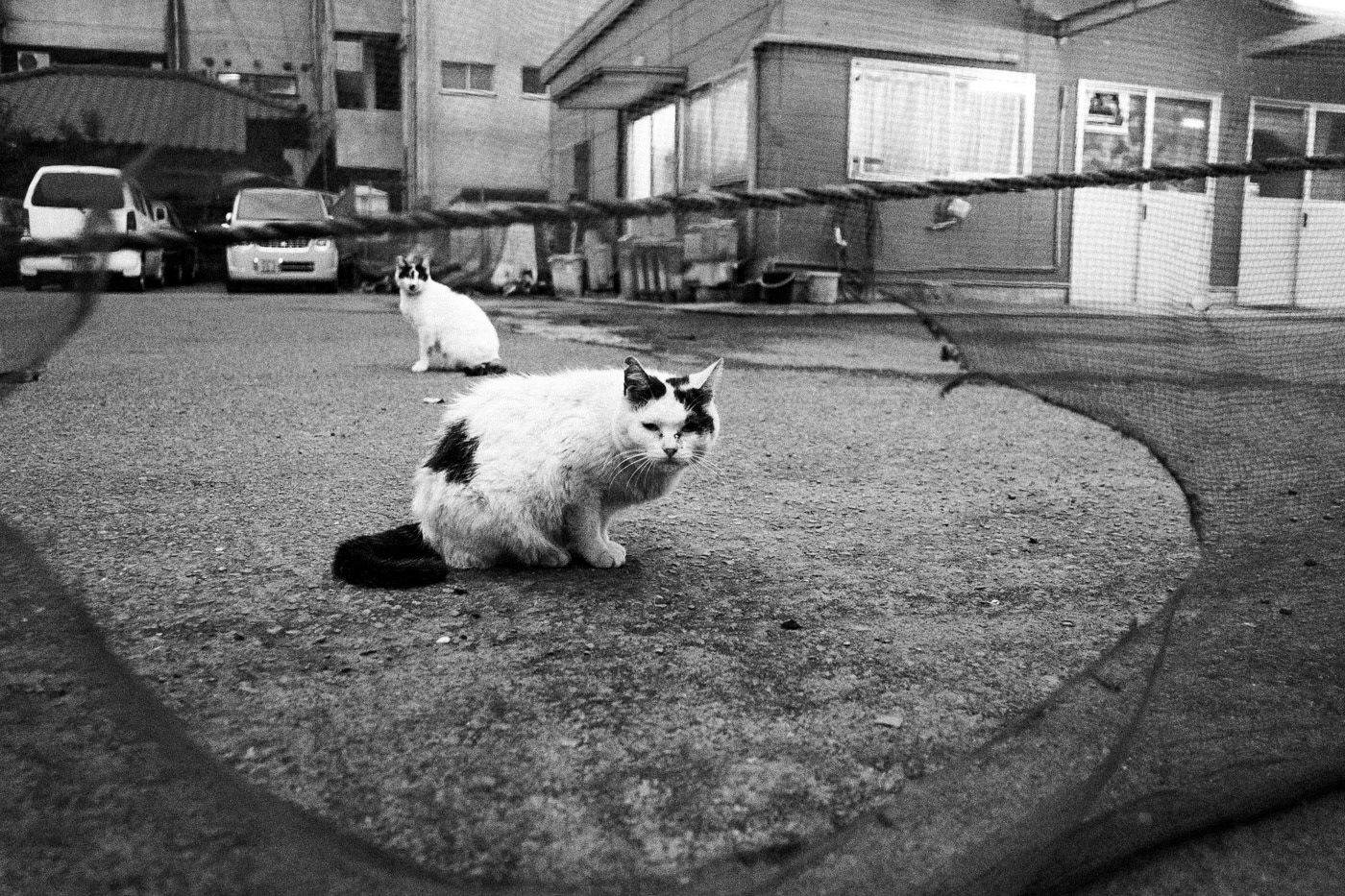
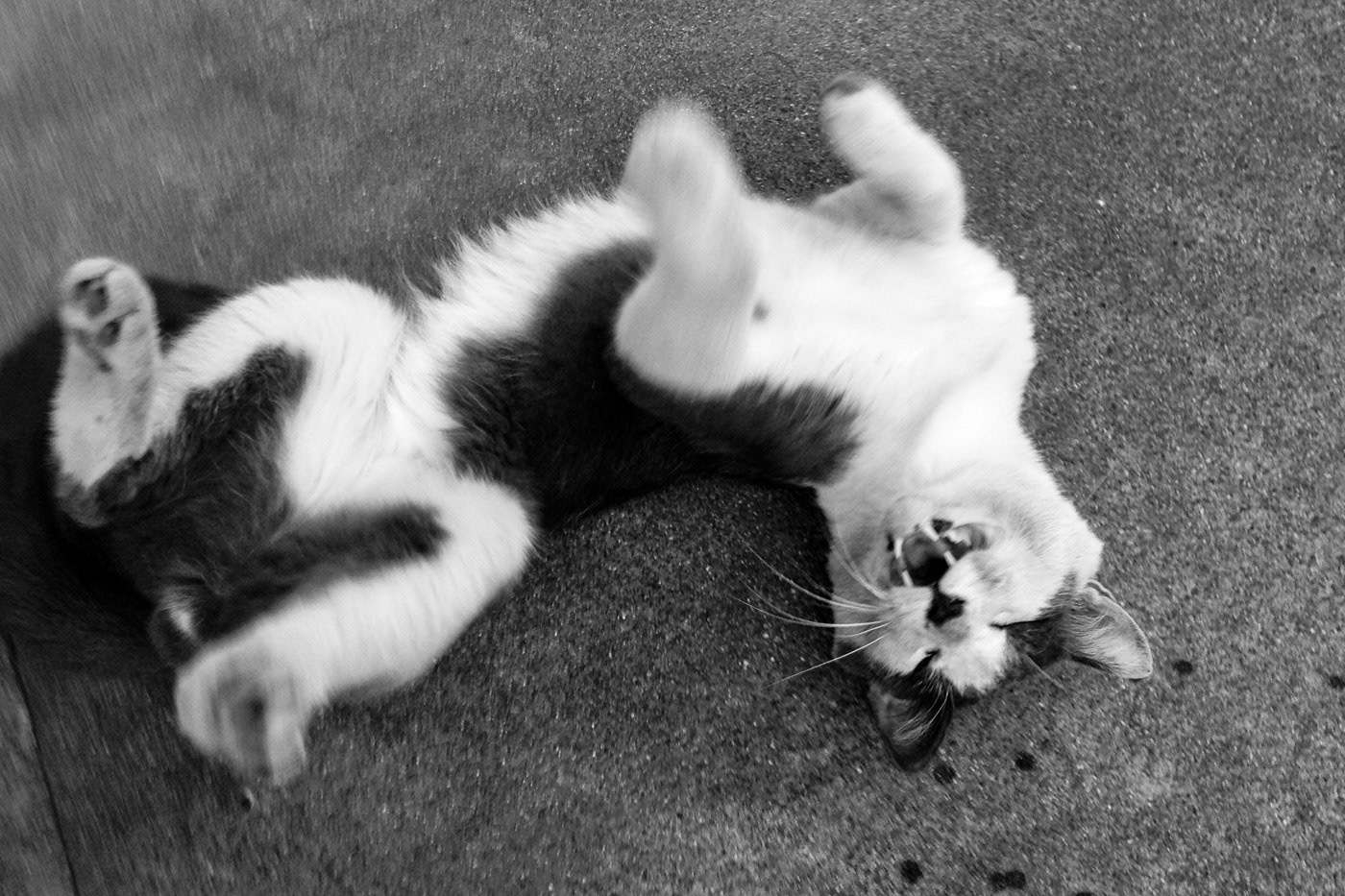
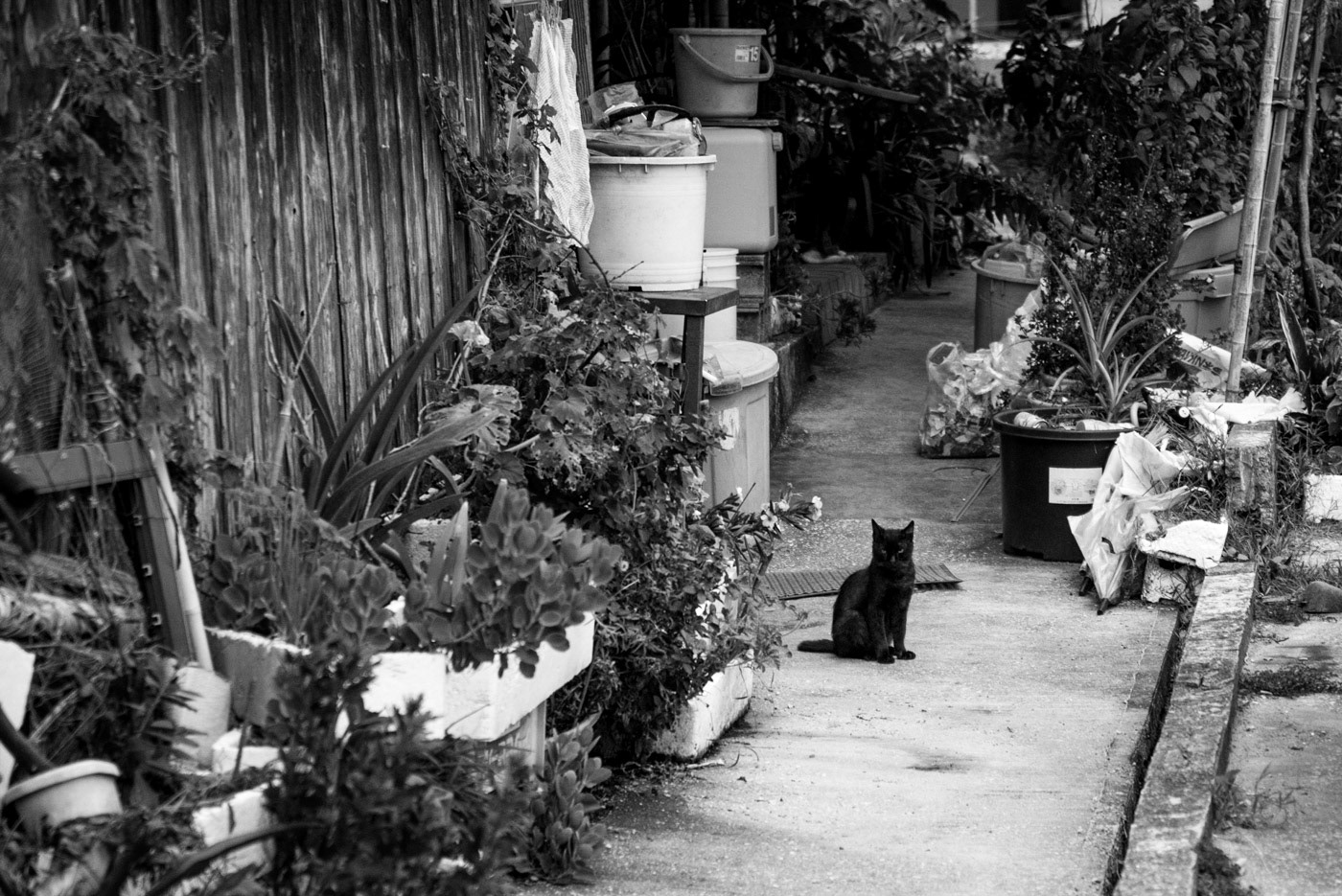
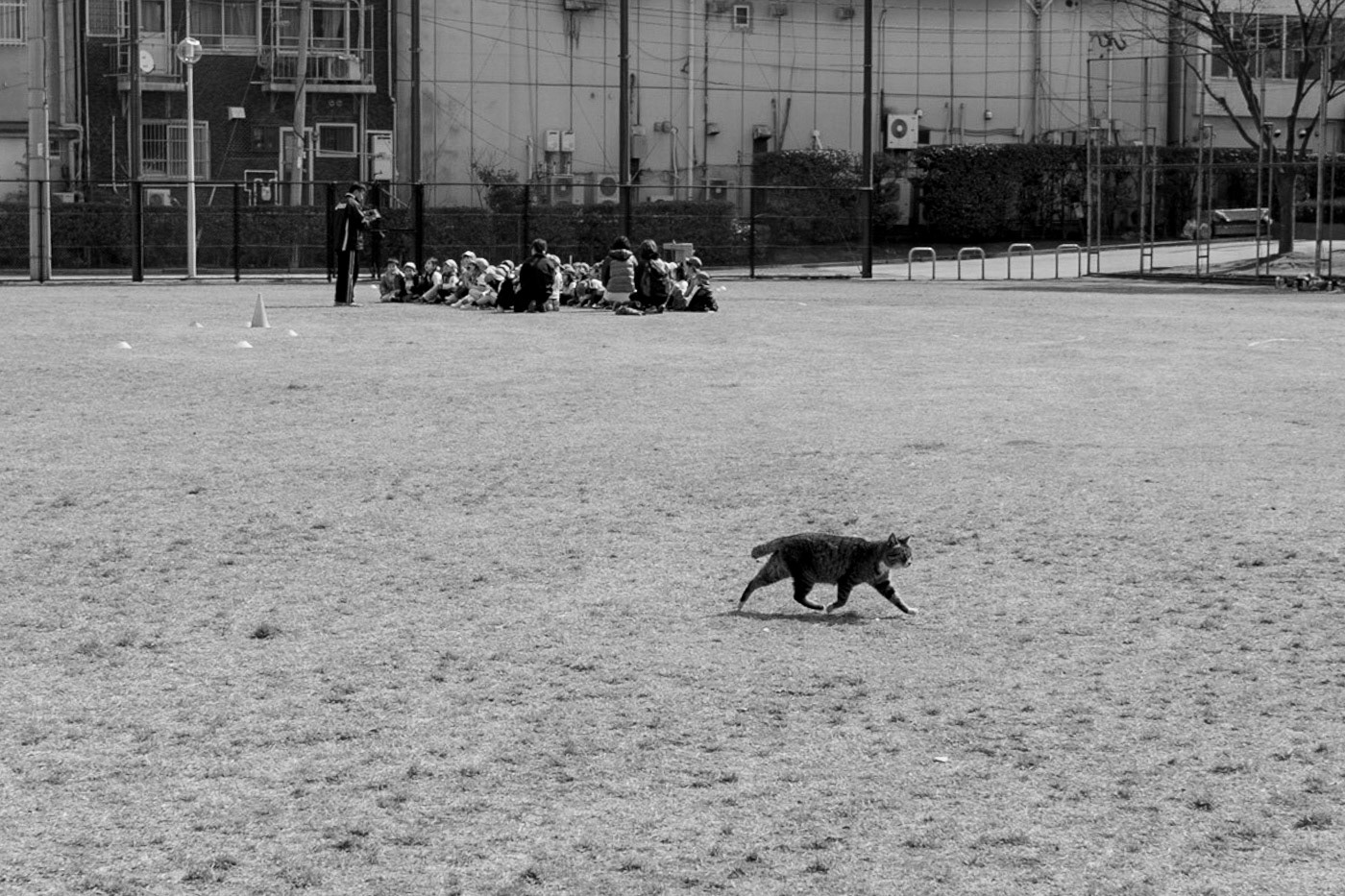
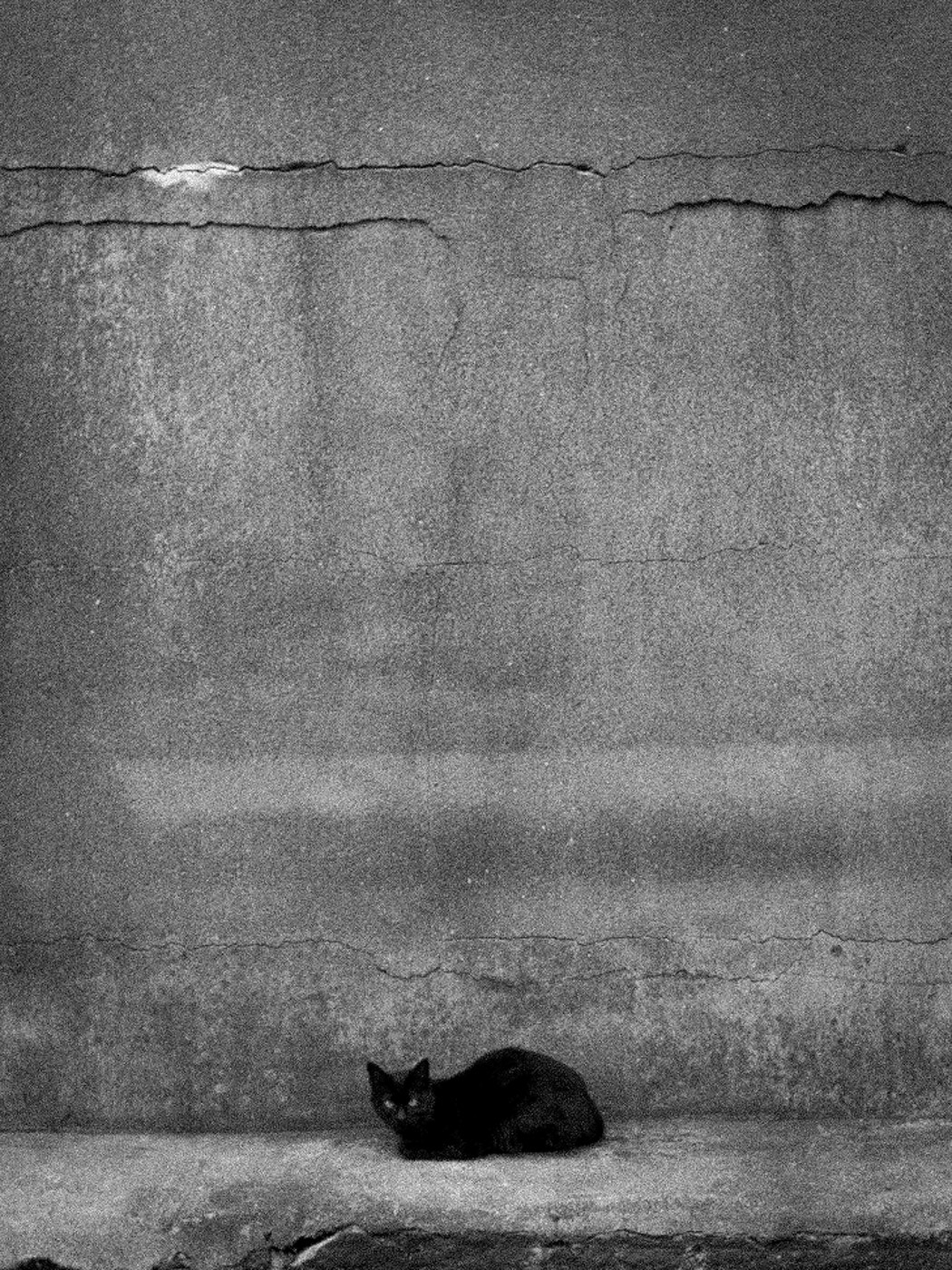
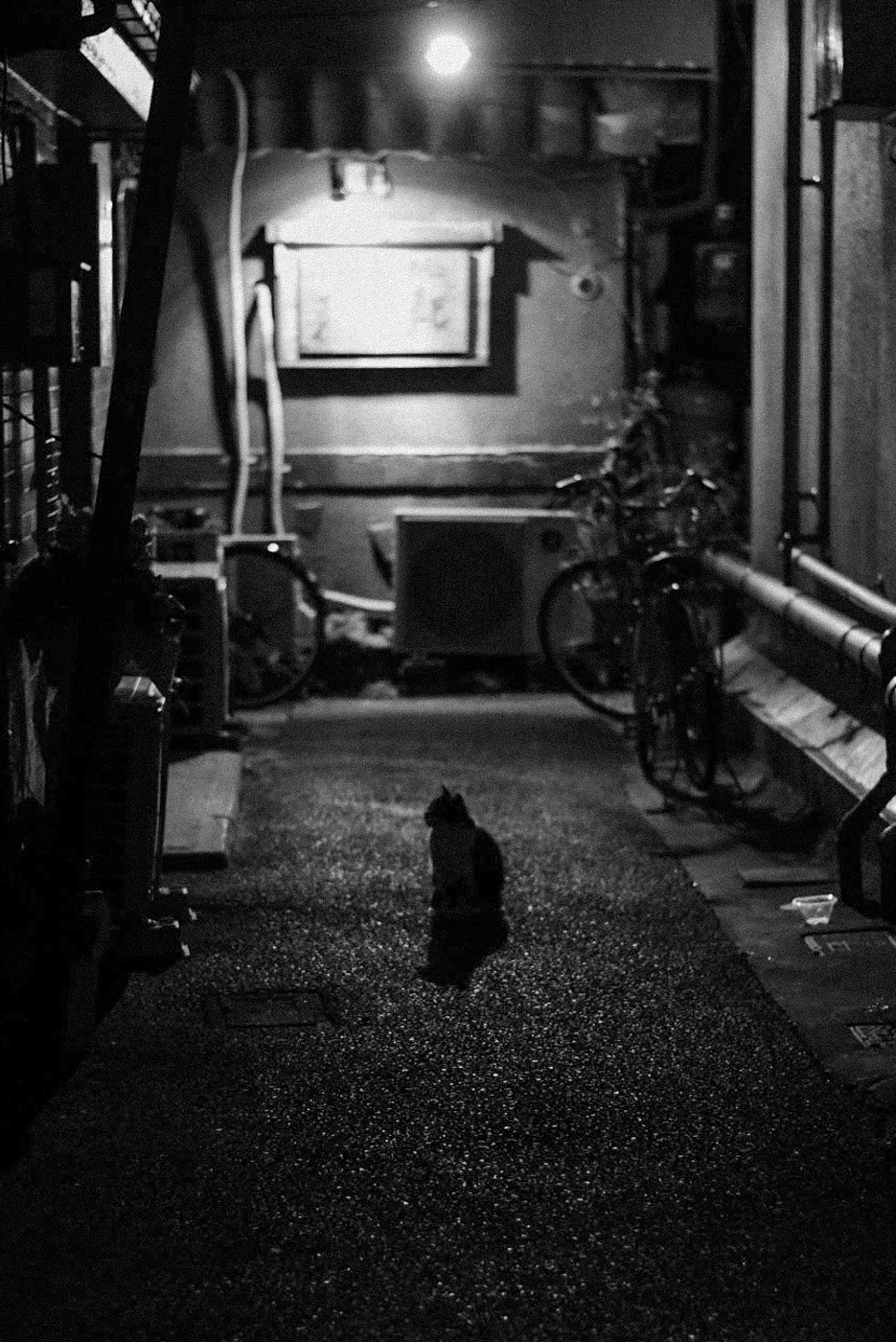
I, too, often take photos of cats. The ones in towns and fields. There are people who look at them and call them "cute," but that is nothing more than condescension from a human viewpoint. The environment they are placed in remains harsh, no matter how their names change. Cats that take a liking to humans are rare; most of them live with a sense of hostility and tension running through their bodies. That is why I face them head-on when I point my camera. Thinking that what I see through the viewfinder might just be a reflection of my own self.
But, I think. Whatever they are called—community cats, town cats, cherry cats—it matters absolutely nothing to the cats themselves. Captured, operated on, returned, and then given a new name. To humans, this is a symbol of "rescue" or "coexistence," but from the cats' perspective, they have been stripped of their biological instinct to reproduce, yet are still forced to continue their harsh lives on the streets. Living in the town, living on the streets—nothing about that reality changes. No matter how much humans change the name to suit their own convenience, a stray is a stray.
No matter how much people make a fuss about protection, rescue, or coexistence, and no matter if the economic impact surpasses the World Expo or the market expands into various industries, it has nothing to do with the cats. The interest lies solely on the human side.
I, too, often take photos of cats. The ones in towns and fields. There are people who look at them and call them "cute," but that is nothing more than condescension from a human viewpoint. The environment they are placed in remains harsh, no matter how their names change. Cats that take a liking to humans are rare; most of them live with a sense of hostility and tension running through their bodies. That is why I face them head-on when I point my camera. Thinking that what I see through the viewfinder might just be a reflection of my own self.